
24/7 Customer Support

Free returns

Same-day & Next-day Delivery

Quality Guaranteed

Unlock Your Welcome Offers: FREE Delivery | Up to 80% OFF | Free 30-day JoyPlus trial
Download the APP
Choosing soft drinks can look straightforward until you compare pack sizes, sugar levels, sweeteners, flavours and storage dates. A multipack that appears economical may not suit your household, while a “zero sugar” label does not necessarily mean the drink is free from sweeteners or caffeine.
This guide explains the practical details to check before buying carbonated drinks, from everyday cans and drinks for parties to international soft drinks and low-calorie options.
Zero sugar drinks often use sweeteners such as aspartame, acesulfame K or sucralose to retain sweetness. This can be useful for shoppers reducing sugar intake, but the ingredient list still matters. Some products also carry specific labelling, such as a statement that they contain a source of phenylalanine.
For example, 7UP Zero 330ml 24Pk lists 0g sugar and 7 calories per 330ml can, but it contains aspartame and acesulfame K. Always check the nutrition panel and ingredients rather than relying on front-of-pack wording alone.
A 24-pack may reduce the cost per can, but it takes up more cupboard and fridge space and may not be suitable if you want to try a new flavour first. Smaller 4- or 6-can packs can be more practical for testing fruit-flavoured soda, functional soda or international flavours.
Calculate the total volume as well as the number of cans. A 24-pack of 330ml cans contains 7.92 litres, while a 12-pack of 370ml bottles or cans may offer a different quantity and serving format.
Cola and some energy-style carbonated drinks may contain caffeine. Product labels should also be checked for milk, soya or other allergens, especially with unusual flavours such as strawberry milk soda.
Certain products carry additional information about colours or sweeteners. For instance, some Irn-Bru products state that specific colours may have an adverse effect on activity and attention in children. This is a labelling requirement worth taking seriously when buying drinks for families.
Use the per 100ml column when comparing different pack sizes, then check the per serving figures to understand what you will actually consume. A standard 330ml can can contain significantly more sugar than a mini 150ml can.
As examples:
“Low calorie” and “zero sugar” products may still contain sweeteners, so compare both the nutrition table and ingredients.
For home or office stock-ups, 330ml drinks cans are convenient and easy to portion. Mini cans, such as Canada Dry Ginger Ale Mini 12x150ml, can be useful when a smaller serving is preferable or when you want mixers for a gathering.
For parties, barbecues and larger households, soft drink multipacks such as 18- or 24-can cases can reduce the need for repeated shopping. However, check storage space and best-before dates before buying in bulk.
The category includes classic cola, lemonade, ginger ale, orange and apple soda, as well as sparkling soft drinks from Japan, Korea, China, Thailand and Mexico.
For dietary preferences, check the exact product label. Several listed drinks are suitable for vegetarians or vegans, but Milkis Strawberry Soda contains skimmed milk powder and soya ingredients. Functional beverages may contain live cultures or added fibre and can include usage guidance, such as not being suitable for children under three. These drinks should not be treated as substitutes for a varied, balanced diet.
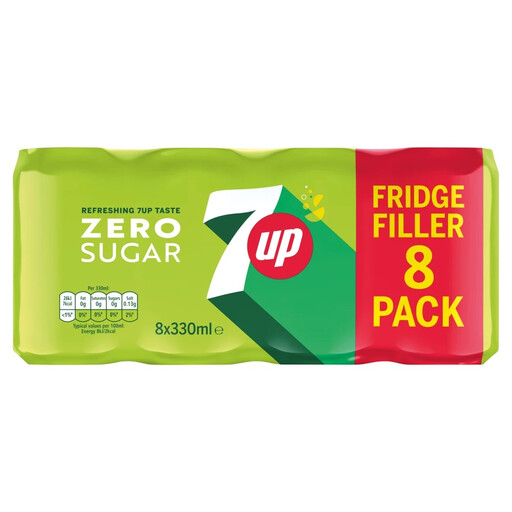
Why This Fits Their Persona: An eight-can pack is a manageable way to try zero sugar lemon and lime fizz without committing to a large case. It suits fridge stock for lunches, home working and casual meals.
The nutrition panel clearly states zero sugar and very low energy per can, while the ingredients identify the sweeteners used.
330ml cans, zero sugar, zero caffeine and suitable for vegetarians and vegans according to the listing.

Why This Fits Their Persona: A suitable choice for shoppers exploring international soft drinks and a cola made with cane sugar, whether served with Mexican food or used in a Batanga-style mixer.
The product information specifies its 370ml serving size, sugar content and potential shared-facility allergen traces.
12 x 370ml format, natural flavours and a Mexican product origin stated in the listing.

Why This Fits Their Persona: A 24-can case is designed for parties, office fridges, barbecues and households that regularly serve fizzy drinks.
The pack quantity and per-can nutrition figures make it easier to judge whether bulk buying suits your consumption and storage needs.
24 x 330ml cans, apple flavour, zero sugar and 10 calories per can according to the product information.
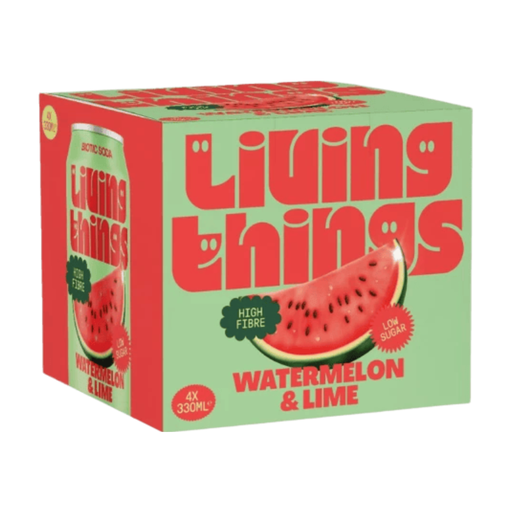
Why This Fits Their Persona: This smaller multipack suits shoppers looking for a lightly carbonated, fruit-led drink with a low sugar profile and clearly listed functional ingredients.
The label identifies 1.7g sugar and 13 calories per 100ml, plus prebiotic fibre and live cultures, rather than relying only on broad wellness wording.
Four 330ml cans, watermelon and lime flavour, and listing information stating vegan suitability.
We have compiled a complete, real-time list of products that fully satisfy these strict selection criteria and UK safety regulations.
Zero sugar drinks contain little or no sugar, but they may include sweeteners, caffeine or other ingredients that some shoppers prefer to limit. Check the product label and consume soft drinks as part of a varied, balanced diet.
The best-before date is printed on the can or outer packaging. Store unopened cans in a cool, dry place away from direct sunlight. Once opened, consume promptly to retain carbonation and flavour.
For a small gathering, an 8- or 12-pack may be sufficient. Larger events, offices and family barbecues may benefit from 18- or 24-can multipacks. Estimate one can per guest, then allow extra variety for guests who prefer zero sugar drinks, fruit flavours or caffeine-free options.