
24/7 Customer Support

Free returns

Same-day & Next-day Delivery

Quality Guaranteed

Unlock Your Welcome Offers: FREE Delivery | Up to 80% OFF | Free 30-day JoyPlus trial
Download the APP
Choosing soft drinks for a family fridge, office, party or lunchbox is not simply a matter of picking the most colourful can. UK shoppers now have access to carbonated soft drinks, fruit drinks, sugar-free soft drinks, energy drinks, Japanese drinks and Asian soft drinks in an unusually wide range of formats. That variety is useful, but it can also make comparison difficult.
The main buying traps are usually easy to miss:
Nutrition panels are generally displayed per 100ml, but the container may hold 190ml, 200ml, 275ml, 320ml, 330ml, 350ml or more. Calculate the full-container amount before comparing products.
For example:
A “fruit drink” or “sparkling fruit drink” can still contain added sugar or sweeteners, so the front-of-pack flavour description should not replace the nutrition panel.
People looking for sugar-free soft drinks should check which sweeteners are used, rather than relying only on the word “zero”. 7UP Zero contains aspartame and acesulfame K and states that it contains a source of phenylalanine. Tango Apple and Tango Cherry use sucralose and acesulfame K.
For flavoured drinks containing coconut jelly, check allergens carefully. Mogu Mogu products contain coconut, while some variants also list sulphur dioxide and sulphites. This matters when buying drinks for schools, offices or mixed groups.
If you are choosing energy drinks, caffeine is a particularly important specification. CELSIUS Raspberry Peach lists 56mg of caffeine per 100ml, totalling 200mg per 355ml can. Its packaging states that it is not recommended for children, pregnant or breastfeeding women or people sensitive to caffeine. It should not be treated as an everyday alternative to ordinary refreshment drinks.
Single bottles and cans are convenient for lunchboxes, commuting and trying unfamiliar Japanese or Asian soft drinks. Multipack drinks are more practical for parties, barbecues, student accommodation and office fridges.
Also consider storage:
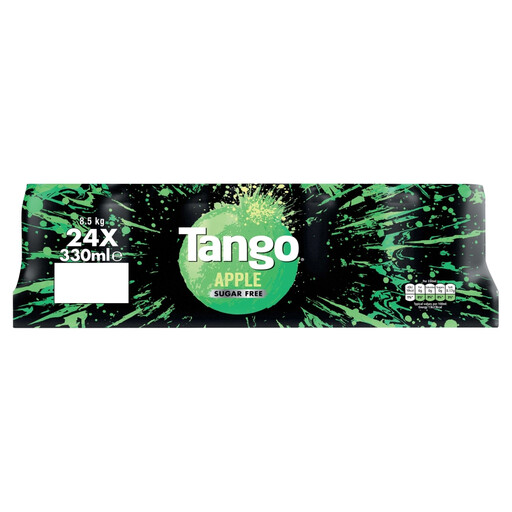
Why This Fits Their Persona: The 24-can format suits households, student flats and shared fridges where individual servings are needed regularly.
The label clearly states 0g sugars and 3kcal per 100ml, making comparison with standard fizzy drinks more straightforward.
330ml cans; zero sugars per can; suitable for vegetarians and vegans.
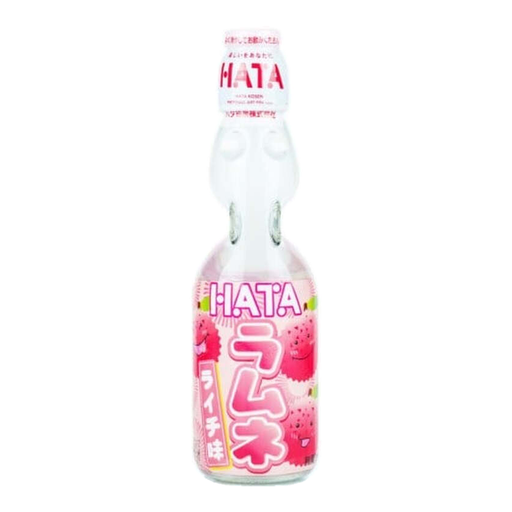
Why This Fits Their Persona: A distinctive Japanese drink for international food enthusiasts, dinner hosts and shoppers seeking a more unusual serving experience.
The 200ml size makes the portion clear, while the opening instructions explain how to use the marble-sealed bottle safely.
Lychee flavour; lively carbonation; compact glass bottle suited to individual servings.
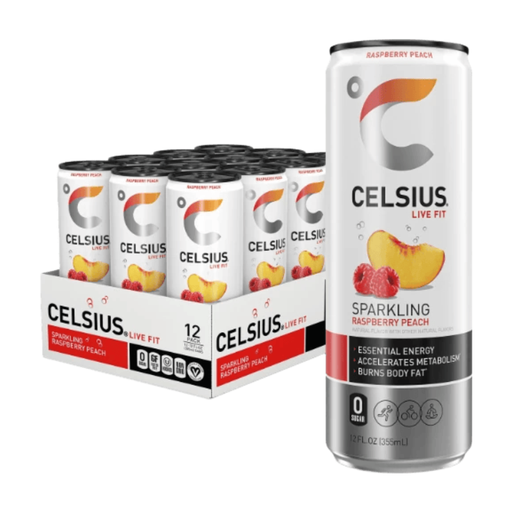
Why This Fits Their Persona: The 12-can case is convenient for regular stock management, provided the purchaser is comfortable with its high caffeine content.
The caffeine amount is specified as 200mg per 355ml can, helping adults make an informed choice rather than treating it as an ordinary fizzy drink.
355ml cans; 0g sugars per can; raspberry-peach flavour with added vitamins listed on the label.
We have compiled a complete, real-time list of products that fully satisfy these strict selection criteria and UK safety regulations.
For family gatherings, J2O Orange & Passion Fruit Blend Cans provide 250ml servings with orange and passion fruit juice from concentrate. For a textured alternative, Mogu Mogu Peach, Melon, Pineapple Coconut and Watermelon variants combine fruit flavours with nata de coco pieces. These are non-carbonated drinks, so they suit shoppers who prefer chewable texture over fizz.
Those planning a barbecue or larger event may prefer BIGGA Fruit Punch in a 12-pack of 600ml bottles. The larger format is designed for sharing, but it takes more fridge space and may create more leftover drink after opening. For smaller social occasions, Freez Mix Sparkling Blue Hawaii offers a 275ml tropical serving, while Sangaria Lemon C Drink provides a compact 190g Japanese fruit drink.
Not automatically. Sugar-free soft drinks can contain different sweeteners, and some products carry specific label warnings. Check the ingredients, allergen information and any statements about phenylalanine or caffeine before serving. They should still be consumed as part of a balanced diet.
Choose cans or small bottles when guests need individual portions and easy serving. Larger 600ml bottles can work for sharing, but you will need enough fridge space and suitable glasses. A mixed selection of fizzy drinks, fruit drinks and sugar-free options can accommodate different preferences without buying only one flavour.
Compare the cost per can or bottle, not just the pack price. Multipacks usually make more sense for offices, families and frequent users, while single bottles are more cost-effective when testing unfamiliar Asian soft drinks or Japanese drinks. Store unopened products correctly and avoid opening more bottles than can be consumed within the recommended period.