
24/7 Customer Support

Free returns

Same-day & Next-day Delivery

Quality Guaranteed

Unlock Your Welcome Offers: FREE Delivery | Up to 80% OFF | Free 30-day JoyPlus trial
Download the APP
Choosing soft drinks and beverages online can seem straightforward until marketing language hides the details that affect taste, value and suitability. A colourful label may suggest a premium fruit drink, while the bottle contains mostly sugar and flavourings. A “zero” drink may reduce sugar but still contain sweeteners or unusual ingredients. Imported drinks can also vary in pack size, allergen information and storage instructions.
Before adding products to your basket, watch for three common purchasing traps:
For fruit drinks, flavoured soft drinks and sparkling drinks, check both sugars per 100ml and the amount you are likely to drink. Grace Tropical Rhythms Pineapple Ginger lists 10g of sugar per 100ml, making the full 1-litre carton equivalent to 100g of sugar according to the supplied nutrition information.
By comparison, Poppi Raspberry & Rose lists 8kcal and 1.1g of sugar per 100ml, with fibre also stated on the label. It includes stevia sweetener, apple cider vinegar and fruit juice, so shoppers who prefer a particular ingredient profile should still read the full ingredients list.
“Low sugar” and “zero” can describe different formulations. Mogu Mogu Zero Tropical Delight contains nata de coco pieces and lists 10g of sugar per 100ml in the supplied product information, so the word “Zero” should not replace checking the nutrition panel.
Pack size affects convenience and cost:
For parties, compare the number of servings rather than judging value from the front-of-pack price alone.
Always review the current packaging before consumption, particularly when buying imported drinks or products with complex ingredients. BIGGA’s supplied information identifies soya beans and coconut as allergens. Feast Caramel contains milk, wheat and soya, and may contain hazelnut.
Energy drinks require extra care. Tenzing Raspberry & Yuzu contains 32mg of caffeine per 100ml, or 106mg per 330ml can according to the supplied details. Its product information states that it is not recommended for children, pregnant women or breastfeeding women. Caffeinated drinks should be selected according to the warning information, not simply the flavour or “natural ingredients” wording.
Storage also matters. Refrigerate some drinks after opening and consume them within the stated period. Keep Feast Caramel frozen at -18°C or below, and handle pressurised containers and glass bottles carefully.
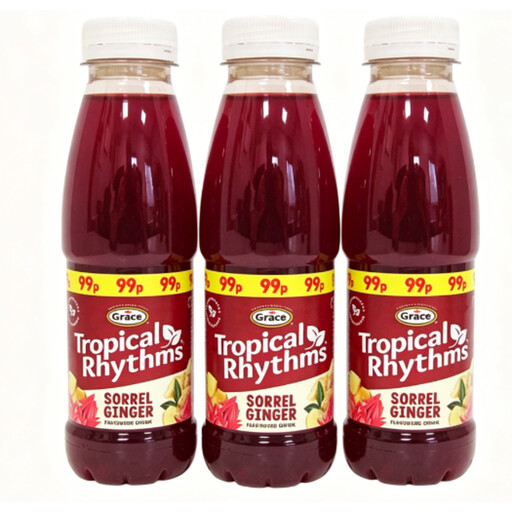
Why This Fits Their Persona: The three-bottle format offers a convenient way to try a Caribbean drink at home, with individual 330ml servings for lunch, casual refreshment or sharing.
The pack size is clear, and the nutrition information states 11.8g of sugar per 100g. This makes it easier to budget servings and avoid assuming that a traditional flavour is low sugar.
Three ready-to-drink 330ml bottles; sorrel and ginger flavour profile; best served chilled or over ice.
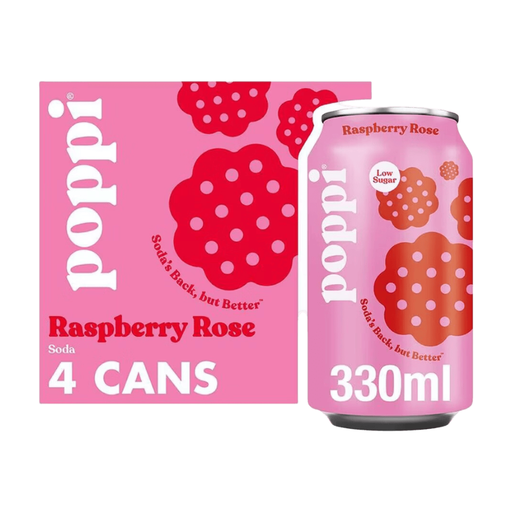
Why This Fits Their Persona: A four-can pack suits shoppers looking for a more considered alternative to conventional flavoured soft drinks, whether for the fridge or social occasions.
The supplied label provides per-100ml energy, sugar and fibre values, allowing a direct comparison with other sparkling drinks rather than relying on front-label impressions.
Raspberry and rose flavour; 8kcal and 1.1g sugar per 100ml as supplied; free from cereals containing gluten.
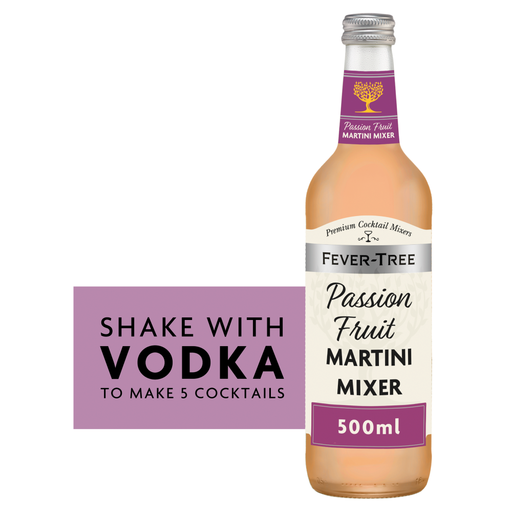
Why This Fits Their Persona: This format is aimed at hosts who want a measured cocktail or mocktail component for gatherings, rather than a general-purpose soft drink.
The 500ml quantity helps shoppers estimate usage, while the 80kcal and 18.5g sugar per 100ml figures highlight that mixers still contribute sugar.
500ml glass bottle; passionfruit, mango and citrus-related ingredients listed; suitable for mixing according to the product description.
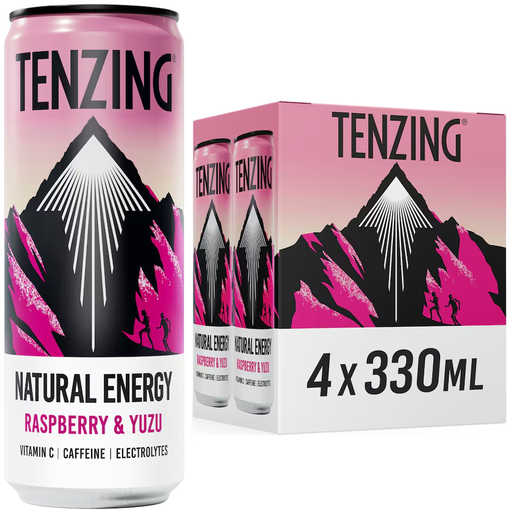
Why This Fits Their Persona: The four-can format is convenient for commuting, office storage or planned activities, provided the caffeine warning suits the intended consumer.
The product information states 32mg caffeine per 100ml and includes suitability warnings. Shoppers can therefore make a decision based on a measurable quantity rather than vague energy language.
Raspberry and yuzu flavour; 19kcal per 100ml as supplied; described as plant-based and suitable for vegans.
We have compiled a complete, real-time list of products that fully satisfy these strict selection criteria and UK safety regulations.
For a non-carbonated tropical drink, Grace Tropical Rhythms Pineapple Ginger is supplied in a 1-litre carton and can be served chilled, over ice or used in cocktails and mocktails. For a chewy texture, Mogu Mogu Zero Tropical Delight combines passion fruit flavour with nata de coco pieces. Traditional Caribbean drinks include sparkling sorrel and ginger, while Sioux City Black Cherry provides a retro-style black cherry soft drink in a glass bottle.
If you are shopping for dessert, Feast Caramel contains vanilla ice cream, a caramel centre and a chocolate-flavour coating with wheat crisps. It is suitable for vegetarians but contains milk, wheat and soya, so it should not be treated as a vegan option. Tate & Lyle Squeezy Strawberry Syrup is suitable for vegans and can be used on ice cream, desserts or in drinks, but its supplied nutrition information lists 68.2g sugar per 100g.
Check the pack size, ingredients, allergens, sugar per 100ml, caffeine content and storage instructions. Imported drinks may use different flavour profiles or formats, but the product label remains the practical reference before consumption.
No. “Low sugar” describes sugar content, not the entire nutritional profile. Some products use sweeteners, added fibre or fruit juice, so compare the full ingredients and nutrition panels. Portion size also affects total intake.
It depends on the product. Some supplied products advise refrigeration and consumption within two or three days, while carbonated drinks are generally intended to be consumed promptly to retain their fizz. Always follow the storage guidance printed on the packaging.