
24/7 Customer Support

Free returns

Same-day & Next-day Delivery

Quality Guaranteed

Unlock Your Welcome Offers: FREE Delivery | Up to 80% OFF | Free 30-day JoyPlus trial
Download the APP
Buying soft drinks can seem straightforward until the trolley contains too much sugar, the wrong pack size or flavours nobody wants. Marketing language such as “natural”, “light” or “fruit” can also distract from the details that matter: serving size, ingredients, storage and suitability for the people drinking them.
Whether you are stocking a family fridge, preparing for a party, supplying an office or exploring international soft drinks, use the following checks before purchasing.
A drink can be lower in calories without being sugar-free. For example, a standard fruit-flavoured drink may contain around 19–20 kcal per 100ml, while a sugar-free option may contain only a few calories per 100ml. Always compare the per 100ml nutrition panel and the figures for the complete can or bottle.
Also check the sweetener list. Sugar-free soft drinks commonly use sweeteners such as sucralose, acesulfame K, aspartame or steviol glycosides. People with specific dietary requirements should review the full label rather than relying only on the front-of-pack description.
A 24-can fizzy drink multipack may offer convenience for offices, parties or regular household use, but it requires cupboard or fridge space. Smaller packs can be more practical for occasional buyers and reduce the chance of drinks being left open or forgotten.
Consider the total volume, not just the number of cans. Eight 330ml cans provide 2.64 litres, while four 250ml cans provide 1 litre. Single-serve drinks cans and bottles can be easier to distribute at gatherings, but larger packs may suit regular consumption.
Fruit-flavoured drinks vary considerably. Some contain a stated percentage of fruit juice from concentrate, while others mainly use flavourings, sweeteners or fruit-inspired ingredients. Check whether the product is a juice drink, carbonated soft drink or ready-to-drink beverage, and look at the ingredient order: ingredients are listed by weight, with those used in greater quantities appearing first.
For lunches, picnics and children’s parties, 150ml to 250ml servings can help limit waste. Schweppes Original Lemonade, for instance, comes in 150ml cans, whereas many everyday fizzy drinks use 330ml cans. Bottles may suit sharing, but cans offer clearly divided portions.
For entertaining, select a format that matches the occasion:
Compare nutrition per 100ml and per serving. Tango Apple Sugar-Free contains 0g of sugar and 3 kcal per 100ml, with a 330ml can listed at 10 kcal. By comparison, Sprite contains 4.4g of sugar and 19 kcal per 100ml.
These figures are product-specific, so do not assume every lemonade, soft drink or fruit drink has the same profile. If a drink contains aspartame, phenylalanine information may be included on the label. Schweppes Original Lemonade, for example, states that it contains a source of phenylalanine.
Always read the packaging, particularly when buying imported drinks. Barley is listed as an allergen in Vimto Original, milk and soya appear in Lotte Milkis Strawberry Soda, and coconut is present in several Mogu Mogu drinks. Some products also state sulphites or possible traces of other ingredients.
Check the storage instructions and best-before information on arrival. Carbonated drinks should be handled carefully because cans and bottles are pressurised. Once opened, refrigerate drinks where instructed and consume within the stated period.
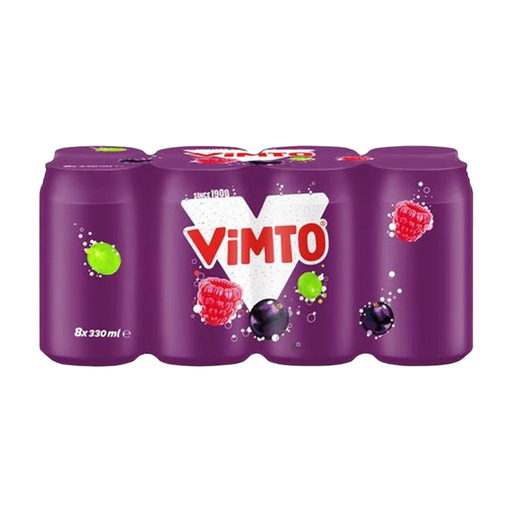
Why This Fits Their Persona: An eight-can format gives households a manageable introduction to a distinctive British fruity soft drink without committing to a large case.
The 330ml cans make portion planning clearer, while the label identifies grape, blackcurrant and raspberry juices and lists barley as an allergen.
Eight 330ml cans; 20 kcal and 4.6g sugar per 100ml; suitable for vegetarians.
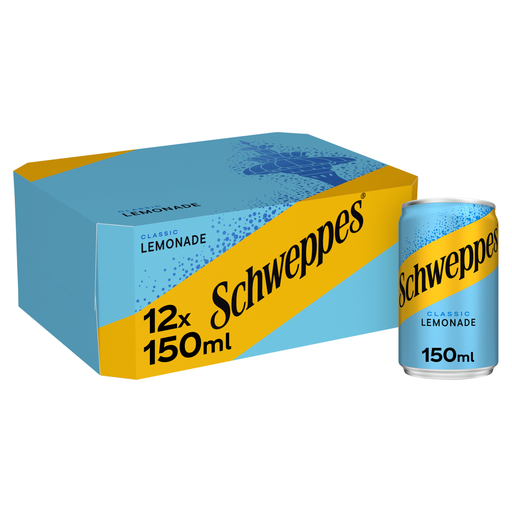
Why This Fits Their Persona: Small cans suit dinner parties, mixers and hosts who want a neat single serving for each guest.
The 150ml format reduces leftover opened cans, while the ingredient and allergen information makes its use as a standalone drink or mixer easier to assess.
Twelve individual cans; 18 kcal and 4.2g sugar per 100ml; contains a source of phenylalanine.

Why This Fits Their Persona: A 24-can case is suited to office fridges, family households and hosts who need a dependable supply of individual drinks.
The nutrition panel clearly states 0g sugar per 100ml and per 330ml can, helping shoppers distinguish it from standard apple soft drink.
Twenty-four 330ml cans; 3 kcal per 100ml; suitable for vegetarians and vegans.
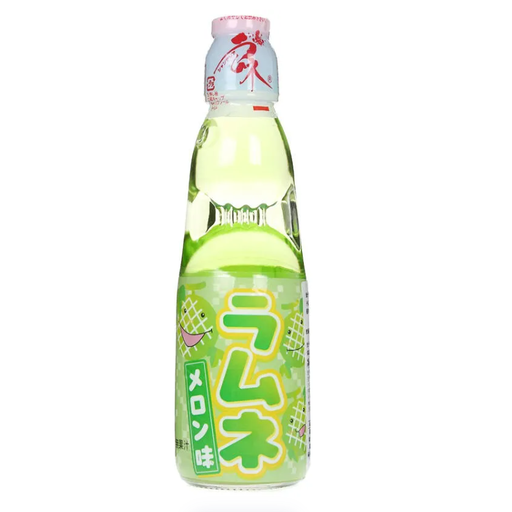
Why This Fits Their Persona: The Japanese-style marble-sealed bottle adds an interactive element to parties, gifts and international tasting sessions.
The 200ml bottle provides a defined serving, while the listing highlights the marble stopper and its choking hazard, allowing buyers to plan serving safely.
200ml glass bottle; melon flavour; 78 kcal per bottle based on the supplied nutrition information.
We have compiled a complete, real-time list of products that fully satisfy these strict selection criteria and UK safety regulations.
Choose a mix of individual cans and bottles according to the occasion. Small lemonade cans help with portion control, while 330ml fizzy drinks multipacks provide a familiar format for larger groups. Add a few international options, such as Mexican soft drinks, Japanese drinks or Chinese drinks, if guests enjoy trying unfamiliar flavours.
They are often low in calories, but check the actual nutrition panel. Tango Apple Sugar-Free lists 3 kcal per 100ml, while recipes and serving sizes differ between products. “Sugar-free” does not describe flavour, caffeine content or sweetener type, so review the ingredients as well.
Follow the product label. Many drinks should be refrigerated after opening and consumed within 24 hours to three days, depending on the product. Keep unopened cans and bottles in a cool, dry place away from direct sunlight, and do not use containers that are leaking, swollen or badly damaged.