
24/7 Customer Support

Free returns

Same-day & Next-day Delivery

Quality Guaranteed

Unlock Your Welcome Offers: FREE Delivery | Up to 80% OFF | Free 30-day JoyPlus trial
Download the APP
Buying soft drinks and ready-to-drink beverages online can look straightforward, but pack size, sugar content and serving format can make a significant difference to value and suitability. A multipack may be convenient for a household, while a smaller pack could be more practical if you are trying an unfamiliar flavour.
The main risks are not usually the drink itself, but unclear marketing and overlooked label details. Use this guide to compare options more confidently, whether you are shopping for zero-sugar soft drinks, fruit-flavoured drinks, Japanese drinks or ready-to-drink cocktails.
These descriptions do not mean exactly the same thing. Fruit juice, concentrates or naturally occurring sugars may still contribute to the total sugar content. In the UK, a “sugar-free” claim generally refers to no more than 0.5g of sugar per 100ml, while “low sugar” for liquids generally means no more than 2.5g per 100ml.
Always compare the nutrition panel rather than relying only on the front of the packaging. For example, some low-sugar drinks contain around 1–2g of sugar per serving, while a traditional fruit drink can contain considerably more.
A 24-pack may suit a busy family, workplace or party, but it can take up considerable cupboard space. Smaller fizzy drinks multipacks are useful for testing a flavour or managing storage. Compare the price per can or bottle, not just the total pack price.
Also check whether the listed volume refers to each container or the complete pack. A case of 330ml cans and a pack of 500ml bottles serve different purposes, even if their prices appear similar.
Zero-sugar soft drinks may contain sweeteners such as sucralose, acesulfame K or aspartame. Some labels also state that the product contains a source of phenylalanine. This is especially relevant for shoppers who need to avoid particular ingredients.
International beverages can include coconut, colourings or unfamiliar flavourings. Alcoholic products have additional age and pregnancy warnings. Read the ingredients, allergen information and storage instructions before ordering.
For everyday refreshment, compare both sugar per 100ml and sugar per serving. A 500ml bottle can contain considerably more sugar than a 250ml can, even when the per-100ml figure looks moderate.
Zero-sugar soft drinks such as lemon-and-lime sparkling drinks may be suitable for shoppers reducing sugar intake, while fruit-flavoured drinks and iced tea drinks can offer a sweeter taste with varying sugar levels. If you prefer drinks without sweeteners, check the ingredient list rather than assuming that a low-calorie label means sweeteners are absent.
Choose cans for easy portion control and short-term serving at lunches, gatherings or picnics. Bottles can be more practical for carrying during the day, although opened drinks may lose carbonation or freshness if not consumed promptly.
For regular household use, calculate the total volume and number of servings. An eight-can pack, such as 8 x 330ml, provides 2.64 litres in total. A 15-bottle pack of 450ml drinks provides 6.75 litres, making it more appropriate for larger households or planned events.
Ready-to-drink cocktails and pre-mixed alcoholic drinks require closer checking. Look for ABV, container size and stated UK alcohol units. A 250ml can at 5% ABV contains approximately 1.25–1.3 UK units, while a stronger 200ml serving may contain more than one unit.
Alcoholic drinks are restricted to customers aged 18 and over. Drink responsibly, avoid alcohol during pregnancy and keep the UK Chief Medical Officers’ guidance in mind: adults should not regularly exceed 14 units per week.
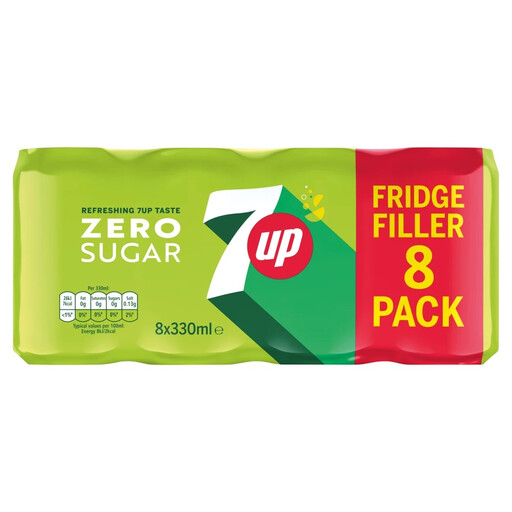
Why This Fits Their Persona: An eight-can format provides a manageable way to keep lemon-and-lime sparkling soft drinks at home without committing to a large case.
The label states 0g sugar per 100ml and per 330ml can, helping shoppers compare it with standard sweetened fizzy drinks.
Eight 330ml cans; zero sugar and zero caffeine according to the listed product information.
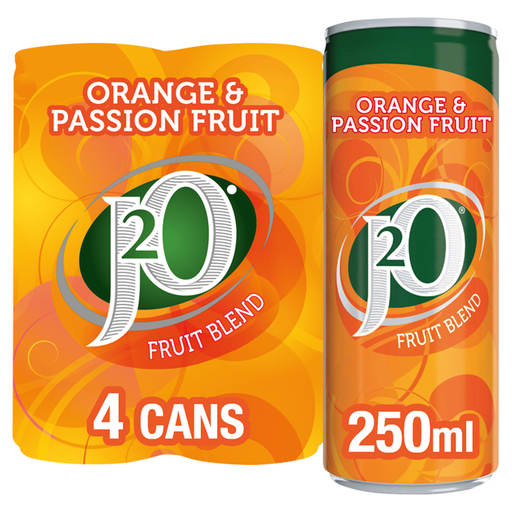
Why This Fits Their Persona: A smaller can format works well for lunches, hosting and occasions where guests want a fruit-led alternative to alcoholic drinks.
The listed nutrition information gives 4.0g of sugar per 100ml, making the sweetness level visible before purchase.
Contains orange and passion fruit juices from concentrate; four 250ml cans are easy to chill and serve.
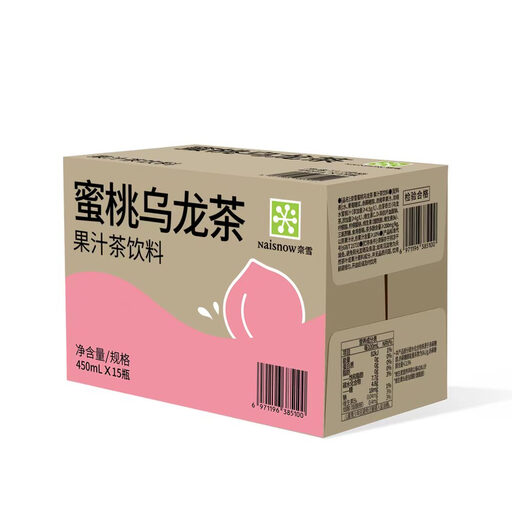
Why This Fits Their Persona: Fifteen portable bottles suit busy households, packed lunches, office fridges and planned gatherings.
Its 4.8g sugar per 100ml and 20 kcal per 100ml are clearly listed, helping heavy users assess regular consumption.
450ml bottle size; peach juice and oolong tea flavour profile; ready to drink chilled.
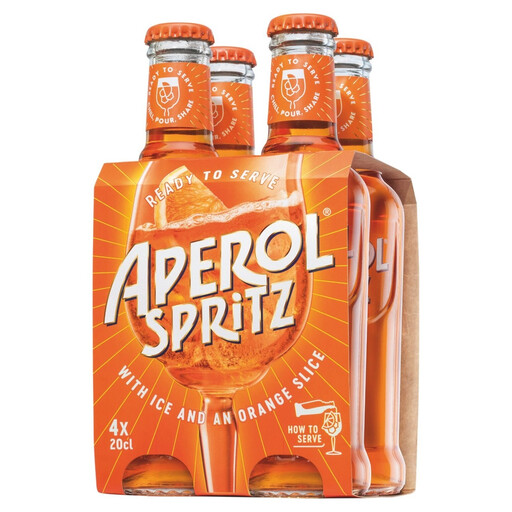
Why This Fits Their Persona: Four ready-to-pour servings simplify hosting, picnics and relaxed social occasions without separate mixing ingredients.
The pack states 9% ABV and approximately 1.4 standard drinks per bottle, so strength and serving size are not hidden.
Four 200ml servings; sparkling wine and Aperol-based format; contains sulphites and requires age verification.
We have compiled a complete, real-time list of products that fully satisfy these strict selection criteria and UK safety regulations.
They can be selected by shoppers who want to reduce sugar, but formulations vary. Check sweeteners, caffeine, salt and serving size on the label. A zero-sugar claim does not automatically describe every other nutritional feature.
Most unopened cans and bottles should be stored in a cool, dry place away from direct sunlight. Serve sparkling soft drinks chilled, and refrigerate products after opening when the label instructs you to do so. Check the best-before information on the individual packaging.
They may reduce the need to buy separate spirits, mixers and garnishes, which can be useful for occasional hosting. However, compare the price per serving, ABV and alcohol units rather than judging cost from pack price alone.