
24/7 Customer Support

Free returns

Same-day & Next-day Delivery

Quality Guaranteed

Unlock Your Welcome Offers: FREE Delivery | Up to 80% OFF | Free 30-day JoyPlus trial
Download the APP
Choosing soft drinks online can seem straightforward until you compare can sizes, sugar levels, sweeteners, caffeine and pack quantities. A colourful multipack may look convenient, while a supposedly “light” drink may still contain sugar. International soft drinks can also have unfamiliar labelling, making it harder to compare nutritional information.
This guide helps UK shoppers choose fizzy drinks for everyday refreshment, family meals, parties, offices and hospitality settings without paying for features they do not need.
Low-calorie soft drinks are not necessarily free from sugar. For example, Sprite contains 4.4g of sugar per 100ml, equal to 15g per 330ml can, while Tango Apple Sugar Free lists 0g of sugar per 330ml can. Always check both the energy and sugars figures rather than relying only on front-of-pack wording.
Some drinks use sweeteners such as aspartame, acesulfame K, sucralose or saccharin. These can reduce sugar content, but they remain important ingredients to check if you have dietary preferences or sensitivities.
A 24-pack may suit a busy office or large event, but it can be excessive for a small household. Compare the total volume, price per litre and expected consumption. Smaller drinks multipacks can help you try a flavour before committing to bulk quantities.
Cans are practical for gatherings because they provide individual portions. Bottles may be more suitable for sharing, but opened carbonated drinks gradually lose their fizz and should be refrigerated and consumed promptly.
Cola, energy-style and some functional drinks may contain caffeine. TRIP Mindful Blends, for instance, lists natural caffeine from coffee bean and carries warnings for children and pregnant or breastfeeding women. Dr Pepper, Coca-Cola Original Taste and IRN-BRU also list caffeine or caffeine-containing flavourings.
Check the full ingredient list for phenylalanine warnings, milk, soya and possible cross-contamination statements. For products containing live cultures or added fibre, read the storage and age guidance carefully rather than treating a functional drink as a replacement for a balanced diet.
For a quick comparison, review nutrition per 100ml and per serving. A standard 330ml can makes serving comparisons simple, while a 500ml bottle may contain considerably more liquid than a can.
Useful categories include:
Common formats include:
Calculate the total volume before comparing prices. A 24 x 330ml pack contains 7.92 litres, while a 12 x 370ml pack contains 4.44 litres.
Read the label for caffeine, sweeteners, fruit juice content, preservatives, colours and allergen information. International soft drinks may use different recipes from UK-market equivalents, so the product label should take priority over general expectations about a brand.
Store unopened canned drinks in a cool, dry place, away from direct sunlight. Chilling before serving improves the drinking experience, but pressurised cans should not be frozen or handled roughly.
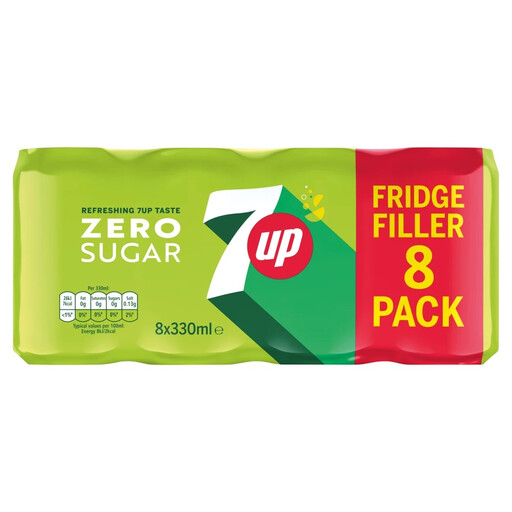
Why This Fits Their Persona: The eight-can format provides a manageable way to try zero-sugar lemon and lime drinks without buying a large case.
The label lists 0g sugar and 2 kcal per 330ml can, so the nutritional profile is clear before purchase.
Eight 330ml cans; lemon and lime flavour; zero sugar and zero caffeine according to the product information.

Why This Fits Their Persona: A suitable choice for shoppers interested in international soft drinks and a cane-sugar cola format for social occasions.
The listing clearly identifies cane sugar, caffeine and possible traces from shared facilities, helping buyers check suitability.
Twelve 370ml bottles; made in Mexico; 37 kcal and 9.2g sugar per 100ml.
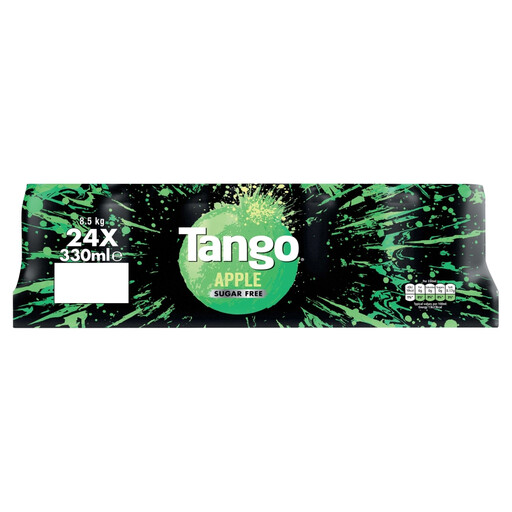
Why This Fits Their Persona: The 24-can case is designed for offices, parties, barbecues and households that regularly serve canned drinks.
The pack quantity and per-can nutrition are stated clearly, with 0g sugar and 10 kcal per 330ml can.
Twenty-four individual cans; sharp apple flavour; contains 4% apple juice from concentrate.
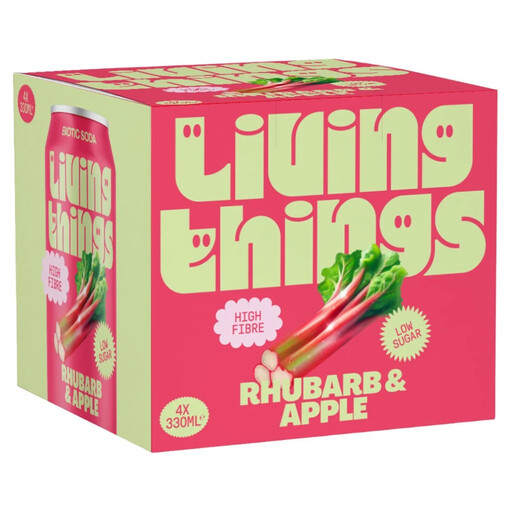
Why This Fits Their Persona: A smaller functional drinks multipack for shoppers seeking unusual fruit flavours, low calories and added fibre.
The product information states 16 kcal and 1.7g sugar per 100ml, plus 2.2g fibre per 100ml; it also provides live-culture storage and age guidance.
Four 330ml cans; rhubarb and apple flavour; no sweeteners listed in the provided ingredients.
We have compiled a complete, real-time list of products that fully satisfy these strict selection criteria and UK safety regulations.
For parties, choose individual cans or bottles that are easy to chill and distribute. Larger soft drink multipacks, such as 18- or 24-can formats, reduce the need for repeated shopping. Include a mixture of regular, sugar-free and fruit-flavoured options so guests have a choice.
Not always. Some products contain very small amounts of energy even when they list 0g sugar. For example, 7UP Zero lists 2 kcal per 330ml can, while Tango Apple Sugar Free lists 10 kcal per can. Check the per-serving nutrition panel for the precise figure.
Keep unopened canned drinks in a cool, dry place away from direct sunlight and moisture. Refrigerate them before serving if preferred. Do not freeze pressurised cans, and handle damaged or swollen packaging with care. Always follow the storage instructions and best-before information printed on the pack.