
24/7 Customer Support

Free returns

Same-day & Next-day Delivery

Quality Guaranteed

Unlock Your Welcome Offers: FREE Delivery | Up to 80% OFF | Free 30-day JoyPlus trial
Download the APP
Buying soft drinks multipacks can reduce shopping trips and make it easier to prepare for lunchboxes, parties, offices or busy family routines. However, the pack size alone does not tell you whether a drink suits your needs. A large case may contain more cans than you can use before opening, while a colourful fruit drink may contain more sugar than expected.
This guide explains the key details to check before buying, from serving size and storage to caffeine, sweeteners and packaging. It also highlights suitable options for different UK households and occasions.
Terms such as fruit punch, tropical blend and juice drink describe flavour profiles, not necessarily the percentage of juice. For example, a 1-litre tropical fruit drink may contain a mixture of juices from concentrate, water and added sugar, while an apple sparkling drink can be made with 100% carbonated apple juice from concentrate.
Check the ingredients list and nutrition panel rather than relying on front-of-pack imagery. This is especially important when comparing fruit drinks multipack options for family breakfasts or packed lunches.
A multipack of 12 bottles is not automatically better value than six larger cartons. Work out the total volume and, where relevant, the cost per litre or per serving.
Individual 200ml pouches can be convenient for children’s juice drinks and lunchboxes, whereas 600ml bottles may suit gatherings where people want more than one small serving. For parties, cans and bottles also have different storage and serving requirements.
Energy drinks require particular care. The CELSIUS Raspberry Peach multipack contains 56mg of caffeine per 100ml, or 200mg per 355ml can, and its product information states that it is not recommended for children, pregnant or breastfeeding women, or people sensitive to caffeine.
Some drinks use sweeteners instead of, or alongside, sugar. Others contain ingredients that matter to specific households, such as barley in Vimto Original, coconut in nata de coco drinks or sulphites in some peach drinks. Always read the current packaging, particularly if you are buying for children or guests with dietary requirements.
Choose the format around the occasion:
For bulk soft drinks, check whether the advertised quantity refers to individual units, outer cases or total litres. A “12-pack” could mean 12 cans, 12 bottles or a case containing multiple smaller packs.
The UK nutrition panel normally gives figures per 100ml, making comparison easier. For a realistic view, multiply the per-100ml figures by the actual serving size.
For example, Fruit Shoot Orange Low Sugar lists 6kcal and 1.2g of sugar per 100ml. A 200ml bottle therefore contains approximately 12kcal and 2.4g of sugar, based on the listed values. By comparison, Tropical Vibes Mucho Mango lists 64kcal and 10.3g of sugar per 100ml, so a full 1-litre carton contains considerably more energy and sugar overall, even though it is designed for sharing.
“Low sugar” should be checked against the full nutrition panel. A drink can have a lower sugar figure than a traditional full-sugar version while still containing sweeteners.
Look for:
Drinks containing aloe vera gel or nata de coco may need shaking so the pieces are distributed evenly. Opened bottles and cartons commonly need refrigeration and consumption within 24 hours to three days, depending on the product.
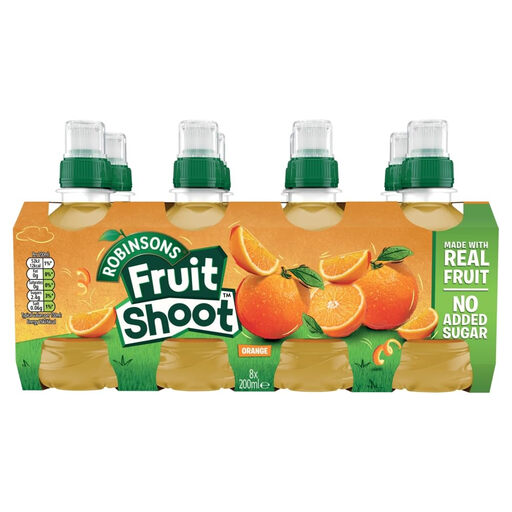
Why This Fits Their Persona: The 200ml bottles are easy to portion for school bags, day trips and family fridge storage. The listed nutrition is 6kcal and 1.2g sugar per 100ml.
The serving size is clearly defined, helping prevent waste and making per-serving comparisons simpler than relying on the pack count alone.
Eight 200ml bottles; low listed energy and sugar per 100ml; suitable for portion-controlled occasions.

Why This Fits Their Persona: Six 250ml cans provide a measured format for dinners, alcohol-free occasions or serving as a mixer.
The listed ingredients specify carbonated apple juice from concentrate at 100%, rather than leaving the fruit content unclear.
100% carbonated apple juice from concentrate; 250ml cans; no listed allergens.
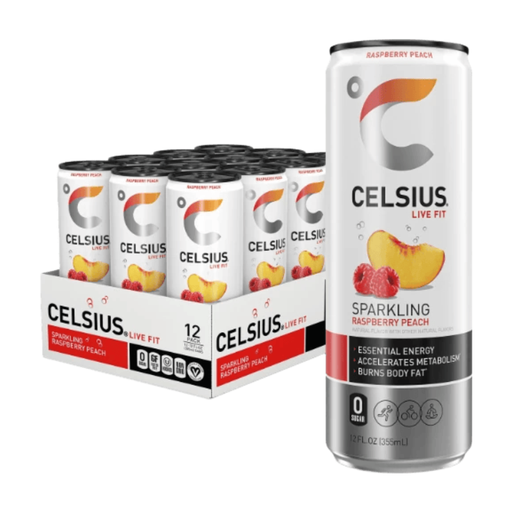
Why This Fits Their Persona: A 12-can case is suited to adult workplace fridges, gym routines and regular individual use where caffeine content is understood.
The caffeine amount is stated per 100ml and per can, allowing buyers to assess suitability before ordering.
12 x 355ml cans; 0g listed sugar per 100ml; 200mg caffeine per can.
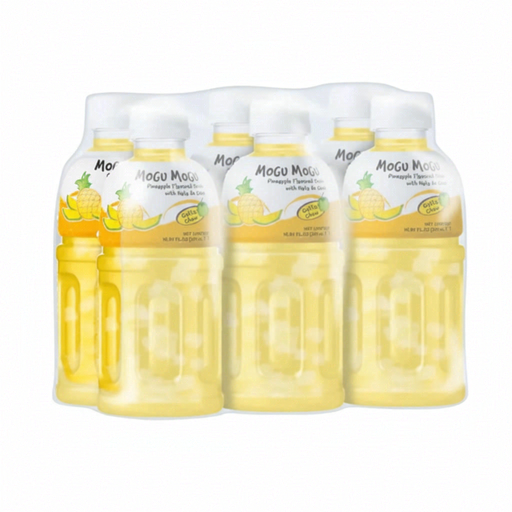
Why This Fits Their Persona: This six-bottle multipack offers a distinctive pineapple and coconut flavour with nata de coco pieces for shoppers seeking world food drinks.
The format and ingredients make the texture clear before purchase, while the label identifies coconut and added colours.
Six 320ml bottles; nata de coco pieces; pineapple flavour; product of Thailand.
We have compiled a complete, real-time list of products that fully meet these strict selection criteria and UK safety regulations.
They can offer a lower unit cost, but this depends on the total volume, delivery cost and current promotion. Compare the price per litre or per serving, not just the number of cans or bottles. A smaller multipack may also reduce waste if your household has limited storage or prefers variety.
Follow the product label. Many unopened soft drinks can be stored in a cool, dry place away from direct sunlight. Refrigerate products after opening where instructed, and observe the stated consumption period. Do not use cans or bottles that are leaking, badly dented, swollen or otherwise damaged.
Look for 200ml portions, clear age guidance and packaging that is easy to carry. Capri-Sun Tropical contains 200ml pouches, while Capri-Sun Zero Orange is also supplied in 200ml portions. Check straw and cap warnings, and avoid giving children energy drinks containing caffeine.