
24/7 Customer Support

Free returns

Same-day & Next-day Delivery

Quality Guaranteed

Unlock Your Welcome Offers: FREE Delivery | Up to 80% OFF | Free 30-day JoyPlus trial
Download the APP
Buying soft drinks multipacks can reduce shopping trips and make it easier to prepare for family meals, office fridges, parties and weekend gatherings. However, a large case is not automatically good value. The wrong flavour, serving format or dietary profile can leave you with drinks that nobody wants.
This guide explains the practical details to check before buying, from pack size and sugar content to storage and ingredient information. It also highlights suitable options for different UK households and occasions.
A 24-pack may appear better value than an 8-pack, but the useful comparison is the price per can, pouch or litre. A large case also takes up more cupboard space and may not suit households that prefer variety.
For occasional entertaining, an 8-pack or mixed selection can be more practical. For an office, busy family or event organiser, larger cases of soft drinks cans may reduce the need for frequent restocking.
Zero-sugar fizzy drinks may still contain caffeine and sweeteners. Several cola multipacks, including zero-sugar varieties, contain a source of phenylalanine from aspartame. This is important for anyone with phenylketonuria and should be checked on the product label.
Likewise, a drink described as light or low-calorie is not necessarily sugar-free. Always compare the per 100ml and per serving nutrition information rather than relying on front-of-pack wording.
Cans are convenient for sharing and portion control, while pouches can work well in lunchboxes and picnic bags. Bottled drinks with nata de coco pieces offer a different texture but may need refrigeration after opening.
Check whether the drink should be chilled, shaken gently, consumed immediately after opening or refrigerated within a stated period. These details affect how suitable a multipack is for your routine.
Start with the number of servings and the size of each unit. Common choices include:
A 24 x 330ml case contains 7.92 litres, while an 8 x 330ml pack contains 2.64 litres. Calculating the total volume helps you compare different formats fairly.
For sugar-conscious shoppers, compare the sugar value per 100ml and per can. Products such as sugar-free soft drinks and zero-sugar fizzy drinks commonly use sweeteners instead of sugar. Ingredients may include aspartame, acesulfame K, sucralose or steviol glycosides.
If caffeine matters, look for its presence in the ingredients list. Regular cola, diet cola and some sparkling soft drinks may contain caffeine, while 7UP Zero is listed as caffeine-free. Do not assume that a fruit-flavoured drink or diet drink is caffeine-free without checking the packaging.
The word “vegan” is useful, but the full ingredients list remains the practical reference. Capri-Sun Tropical, Dash Sparkling Water and several cola products in this selection are listed as suitable for vegans. Vimto Original contains barley, while Mogu Mogu drinks contain coconut; the melon version also lists sulphites.
Always check the current label before consumption, particularly where recipes or packaging may change. This is also important for guests with allergies or dietary requirements at parties and workplace events.
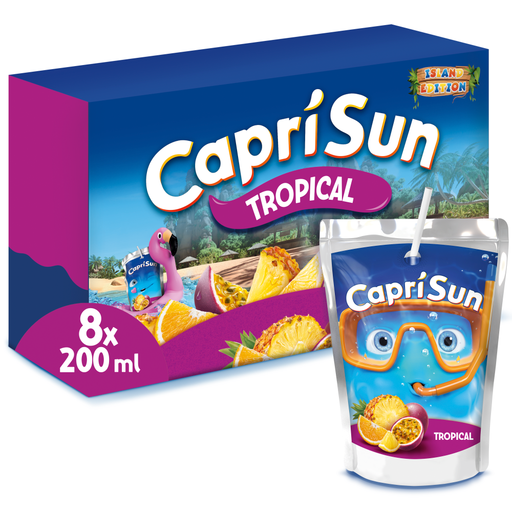
Why This Fits Their Persona: The 8 x 200ml format gives smaller households and families a manageable quantity for lunchboxes, picnics and occasional outings without committing to a large case.
Its defined 1.6-litre total volume makes portion and cost comparisons clearer than buying an oversized case without a plan.
Eight 200ml pouches; 10% fruit juice from concentrate; 19 kcal per 100ml; listed as vegan-friendly.

Why This Fits Their Persona: A useful option for shoppers who want sparkling water with grapefruit flavour rather than a sweetened fizzy drink, whether for meals, workdays or mixers.
The label lists no sugar, sweeteners or calories, avoiding ambiguity around “lighter” soft drinks.
Twelve 330ml cans; 0g sugar per 100ml; no sweeteners; grapefruit flavour from natural flavourings and extract.
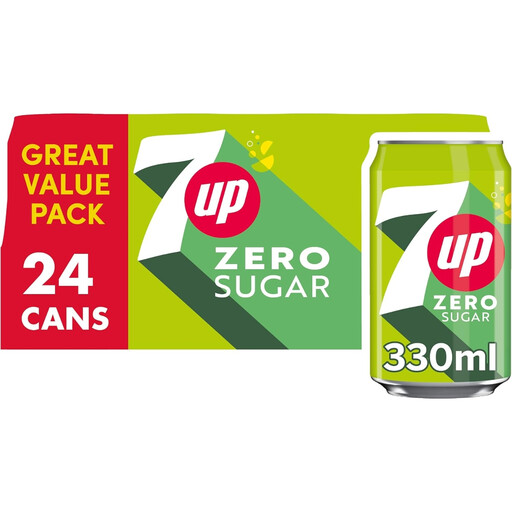
Why This Fits Their Persona: The 24-can case suits offices, larger households, event organisers and anyone who regularly serves lemon-and-lime refreshment.
The product information clearly states zero sugar and zero caffeine, while also flagging its source of phenylalanine for label-conscious buyers.
Twenty-four 330ml cans; 7 calories per can; lemon-and-lime flavour; suitable for vegetarians and vegans.
For a barbecue or party, combine familiar cola multipacks with fruit-flavoured drinks such as J2O Orange & Passion Fruit or Sprite. For children’s outings, smaller pouches can be easier to carry, but check age guidance and supervise young children where straws or small components are included.
For offices and everyday home use, sugar-free soft drinks, sparkling water and mixed quantities can provide more flexibility. International options such as Mogu Mogu or Jarritos Mexican Cola may suit guests looking for distinctive flavours, but check allergens, caffeine and sugar content before serving.
Store unopened multipacks in a cool, dry place away from direct sunlight. Rotate older packs first and inspect cans or bottles for damage, swelling or leaks before opening.
We have compiled a complete, real-time list of products that fully satisfy these strict selection criteria and UK safety regulations.
They can offer a lower unit price, but this depends on the listing and pack size. Compare the total price with the number of servings or total litres. A smaller pack may be more economical if some drinks would otherwise remain unused.
Use the best-before date printed on the packaging and store products as directed. Quality can decline after opening as carbonation escapes, so follow any refrigeration and consumption guidance on the label.
Look for clearly stated zero-sugar or no-sugar nutrition information, then verify the ingredients. Options in this selection include 7UP Zero, Pepsi Max, Diet Coke, Coke Zero and Dash sparkling water. Some contain sweeteners or caffeine, so check the full product label for individual requirements.