
24/7 Customer Support

Free returns

Same-day & Next-day Delivery

Quality Guaranteed

Unlock Your Welcome Offers: FREE Delivery | Up to 80% OFF | Free 30-day JoyPlus trial
Download the APP
Buying soft drinks multipacks can seem straightforward until you compare can sizes, sugar content, flavour descriptions and storage requirements. A 24-pack may offer plenty of servings, but it can also take up valuable cupboard space. Meanwhile, a drink labelled “zero sugar” may still contain sweeteners or caffeine that do not suit every household.
Whether you are comparing fizzy drinks multipacks for a family gathering, stocking an office fridge or looking for international flavours, the following checks can help you avoid unnecessary spending.
A multipack with more cans is not automatically better value. Check both the number of servings and the volume per can. For example, a 24-pack of 330ml cans contains 7.92 litres, while a 12-pack of 150ml mini cans contains 1.8 litres.
Smaller cans can be useful for portion control, children’s parties or occasions where drinks are likely to be served alongside food. Larger packs are more practical for offices, retailers and events where several people will want the same flavour.
Sugar-free soft drinks often use sweeteners such as aspartame, acesulfame K or sucralose. Some products may contain very little energy but still include caffeine or a source of phenylalanine. Read the ingredients, allergen information and nutrition panel, rather than relying only on front-of-pack wording.
For comparison, Pepsi MAX Cherry 330ml lists 2 calories per can and no sugar, while Coca-Cola Original Taste 330ml lists 35g of sugar per can. These are materially different choices for regular household stocking.
Fruit-flavoured drinks may contain a modest percentage of juice from concentrate, alongside natural flavourings, acids and sweeteners. Tango Orange, for instance, lists orange fruit from concentrate at 5%, while other orange soda products may use concentrated juice in different amounts.
If the taste profile or ingredients matter to you, check the full product description and label. This is particularly important when choosing orange soda, lemon and lime drinks, fruit blends or imported beverages.
Choose the format according to how the drinks will be used:
Also consider packaging weight and recycling arrangements. Cans should be handled carefully because they are pressurised containers, and local recycling guidance may vary.
Use the per 100ml figures to compare products consistently, then check the figures for the full can. A 330ml serving can contain considerably more sugar and energy than the per-100ml figure initially suggests.
For lower-sugar choices, compare products such as sugar-free cola, zero lemon and lime drinks or low-calorie fruit sodas. However, “low calorie” does not describe the complete ingredient profile. Check for sweeteners, caffeine and any stated warnings before serving.
Many modern multipacks are suitable for vegetarians or vegans, but this should be confirmed on the product label. Imported products may also carry different allergen statements or manufacturing information.
For vegan soft drinks, check the current packaging rather than relying on assumptions based on flavour. This is especially relevant for international soft drinks, functional beverages and products made in shared facilities.
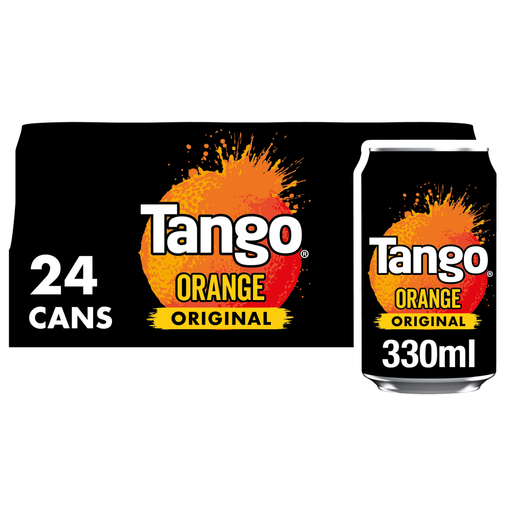
Why This Fits Their Persona: A large, single-flavour case provides a straightforward option for households, barbecues and gatherings where familiar orange soda is likely to be popular.
The 24 x 330ml format makes total volume clear, while the nutrition panel identifies 14g of sugar per can and the presence of sweeteners.
24 cans of 330ml; contains orange fruit from concentrate and is listed as suitable for vegetarians and vegans.
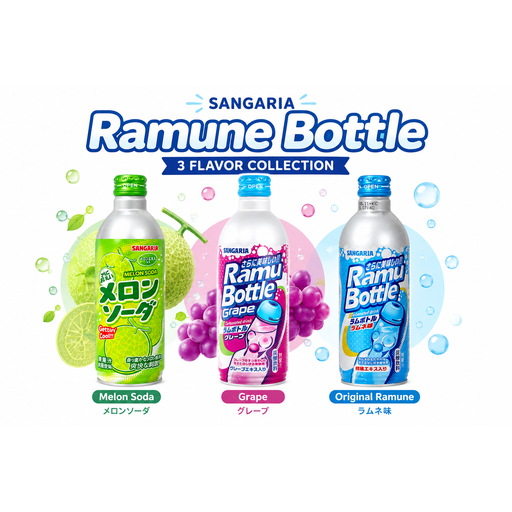
Why This Fits Their Persona: A three-flavour collection offers variety for soft drink enthusiasts and hosts planning an international-themed menu.
The collection clearly identifies melon, fruit and grape flavours, helping buyers assess variety instead of choosing from vague “mixed” descriptions.
Three 500ml flavoured sodas; product information lists no major allergens, with a possible shared-facility trace warning.
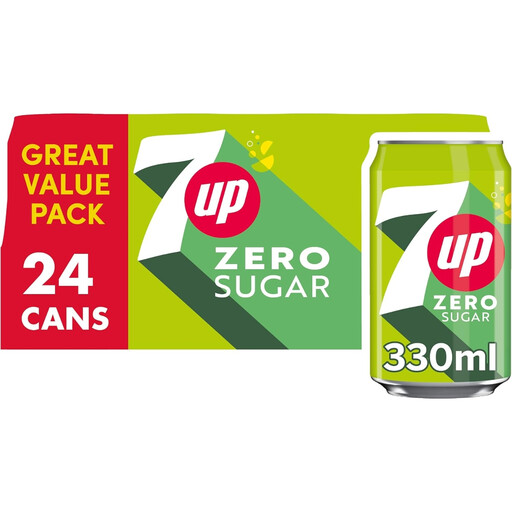
Why This Fits Their Persona: The 24-can format suits offices, retailers and larger households that want a consistent lemon and lime drink available throughout the week.
The pack quantity and 330ml serving size are explicit, while the label states zero sugar and identifies the sweeteners used.
24 x 330ml cans; zero sugar, zero caffeine and listed at 7 calories per can.
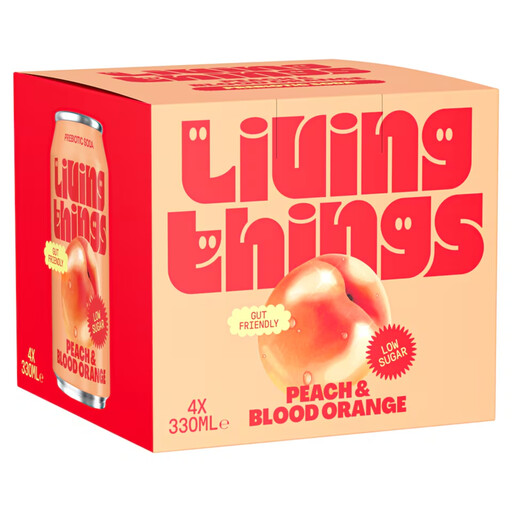
Why This Fits Their Persona: A smaller four-can pack suits shoppers who want to try a peach and blood orange flavour without committing to a large case.
The label gives measurable nutrition information: 13 calories, 1.5g sugar and 2g fibre per 100ml. It also states that the product contains live cultures.
Four 330ml cans; low sugar, low calorie and listed as suitable for vegan and vegetarian diets.
We have compiled a complete, real-time list of products that fully satisfy these strict selection criteria and UK safety regulations.
They can offer a more convenient cost per serving, but the saving depends on pack size, promotion and delivery charges. Compare the total price divided by the total number of millilitres, not only the can count. A multipack is less economical if part of it remains unused or passes its best-before date.
Keep unopened cans in a cool, dry place away from direct sunlight and heat. Chill them before serving if preferred. Do not freeze pressurised cans, and handle damaged or dented packaging carefully. Once opened, consume promptly and follow any product-specific storage instructions.
For regular office use or a large gathering, 18- or 24-can packs of 330ml drinks are convenient and easy to distribute. For a smaller event, 8-can multipacks or mixed-flavour collections can reduce leftover stock. If guests have different preferences, consider combining cola, orange soda, lemon and lime drinks and sugar-free soft drinks rather than buying one large case.