
24/7 Customer Support

Free returns

Same-day & Next-day Delivery

Quality Guaranteed

Unlock Your Welcome Offers: FREE Delivery | Up to 80% OFF | Free 30-day JoyPlus trial
Download the APP
As any parent or carer of a toddler knows, little ones have boundless energy. When the British weather keeps everyone indoors, finding safe and engaging ways to channel that energy can be a challenge. A soft play set can transform a corner of your living room or playroom into a private adventure zone, encouraging active play without the bumps and scrapes associated with harder furniture.
Navigating the options can be tricky. How many pieces do you need? What's the difference between materials? This guide is designed to help you understand the key features to look for in indoor soft play equipment, ensuring you find a set that is safe, durable and perfect for your little explorer.
Choosing the right foam play set comes down to a few key considerations. Focusing on materials, safety standards and the variety of pieces will help you make a practical choice for your home or nursery.
The surface material of toddler climbing blocks directly impacts both the play experience and your cleaning routine. The two most common options are PU leather and velour.
When it comes to baby climbing toys, safety is paramount. Look for products that comply with UK and EU safety standards, specifically EN71-1-2-3. This certification indicates that the toy has been assessed for physical safety (no sharp parts), flammability and the migration of certain chemical elements.
Beyond certification, consider the physical design. A quality crawl and climb foam set should be made from high-density EPE (Expanded Polyethylene) foam, which is firm enough to support climbing but soft enough to cushion tumbles. Also, look for features like anti-slip bases or hook-and-loop fasteners that connect the blocks, preventing them from sliding apart during active play.
A soft play set is more than just a collection of blocks; it's a tool for imaginative and developmental play. The number and shape of the pieces determine the variety of structures your child can build.
kids activity gym, encouraging problem-solving and planning as children build their own obstacle courses. Consider the space you have available before opting for a larger set.Here are a few options that stand out for their design, materials and play value, catering to different needs and spaces.
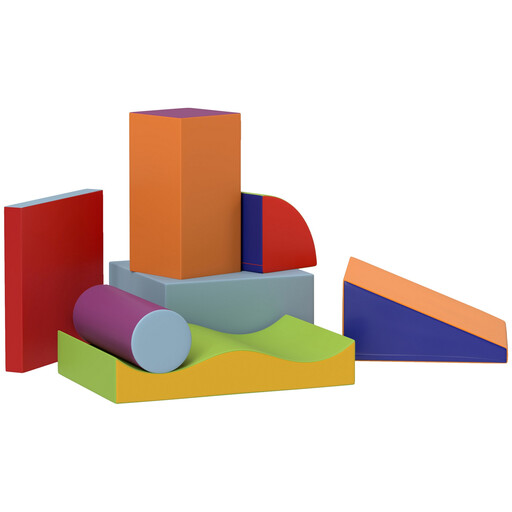
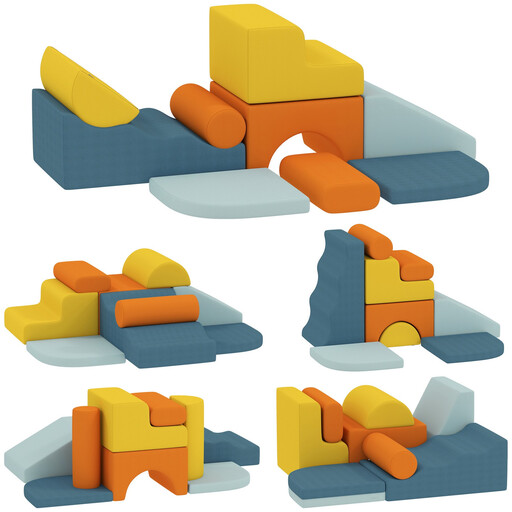
kids activity gym in a bedroom or playroom.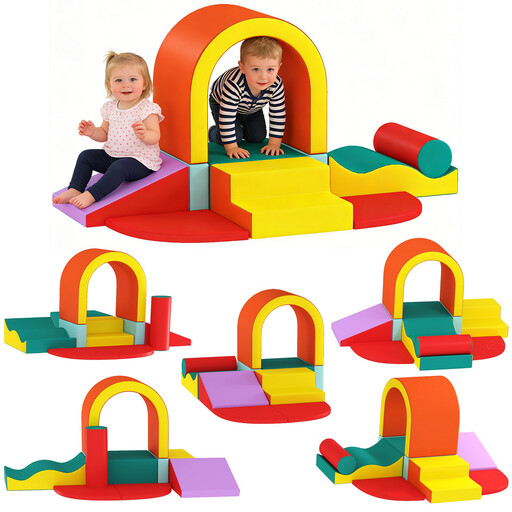
indoor soft play equipment is essential.A soft play set is a brilliant way to encourage active indoor fun, but every child and home is unique. If you're exploring other options for physical play, from slides to climbing frames, there is a wide world of equipment to discover.
Explore Our Full Range of Outdoor Play Equipment Sets
1. What age is a soft play set suitable for? Most soft play set products are designed for toddlers and young children, typically from 12 months to 3 years old. This is the crucial period when they are developing gross motor skills like crawling, climbing and balancing. Always check the manufacturer's recommended age range for the specific product you are considering.
2. How do I clean a foam play set? Cleaning methods depend on the surface material. For sets with a PU leather cover, simply wipe them down with a damp cloth and a mild, non-abrasive cleaner. For sets with fabric covers like velour, check if the covers are removable. If so, they can often be machine-washed on a gentle cycle, which is very convenient for keeping the play area hygienic.
3. Is a soft play set worth it for home use? For many families in the UK, a soft play set is a valuable addition. It provides a safe and contained outlet for a toddler's physical energy, which is particularly useful on rainy days. Beyond just burning off energy, a crawl and climb foam set helps children develop coordination, spatial awareness and problem-solving skills as they navigate and build their own little obstacle courses.