
24/7 Customer Support

Free returns

Same-day & Next-day Delivery

Quality Guaranteed

Unlock Your Welcome Offers: FREE Delivery | Up to 80% OFF | Free 30-day JoyPlus trial
Download the APP
As evenings grow longer, many of us look for ways to extend the time we spend in our gardens, on our patios or even on a small balcony. The right lighting can transform an outdoor space, creating a warm and inviting atmosphere without the hassle of complex wiring or increased electricity bills. This is where solar garden lights come in.
These clever devices offer an eco-friendly and cost-effective way to illuminate your outdoors. However, the market is filled with options, from subtle path markers to festive string lights. This guide is designed to help you understand the key features to look for and to present some carefully selected options that cater to different needs and styles.
Choosing the right outdoor solar lights involves more than just picking a design you like. To ensure they perform well and last through the seasons, consider these practical points.
The British weather is famously unpredictable. Therefore, one of the most important specifications to check is the Ingress Protection (IP) rating. This two-digit number indicates a light's resistance to solids (like dust) and liquids (like rain). For most garden applications, look for a rating of IP65 or higher. This ensures the unit is dust-tight and protected against water jets from any direction, making them reliable waterproof outdoor lights suitable for year-round use.
The type of light you choose will define the mood of your space.
Modern solar lights come with features that make them incredibly user-friendly. Most models include a built-in light sensor that automatically turns the lights on at dusk and off at dawn. Installation is usually straightforward, requiring no electricians or external power sources. Simply place the solar panel in a spot that receives several hours of direct sunlight each day. Some advanced models even offer dual-charging options (solar and USB), providing a useful backup for overcast days.
Based on popular features and design styles, here are some recommendations to help you find the right fit for your garden.
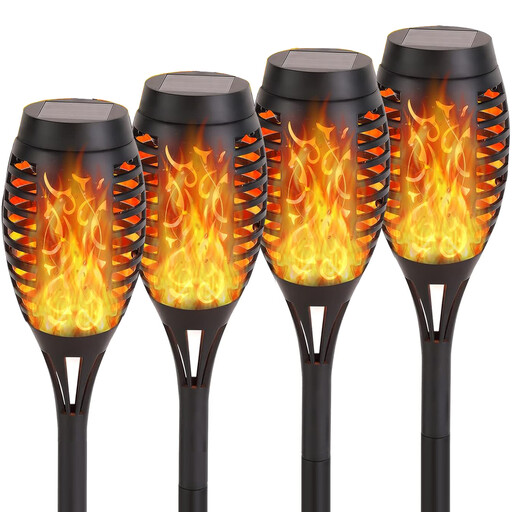
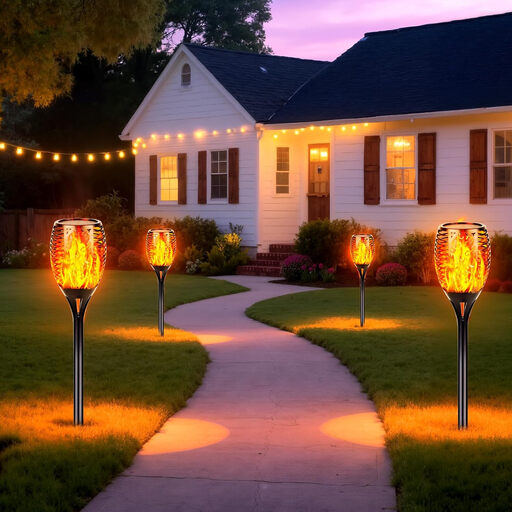
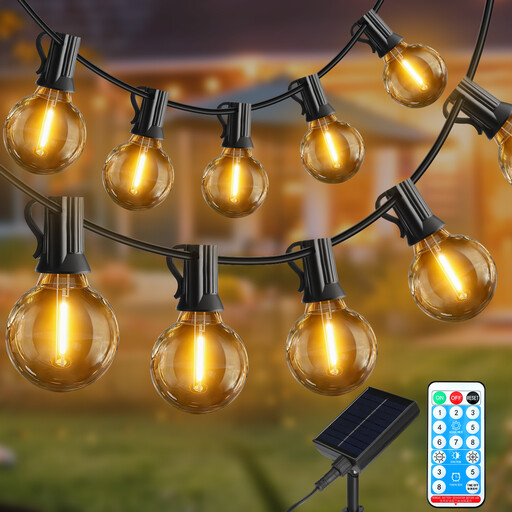
If the options above aren't quite what you had in mind, or if you're looking for something more structural like post lights to illuminate a driveway or entrance, there are many other styles available. Different designs can offer unique lighting patterns and serve more functional purposes.
For a wider selection of upright lighting solutions, you may want to explore our full range of LED solar outdoor post lights.
Yes, they do, but their performance may be reduced. Solar lights require direct sunlight to charge their internal batteries. During the shorter, often overcast days of a UK winter, they will receive less charge. This typically results in a shorter run-time in the evening compared to summer. However, they will still function, and placing the solar panel in the most open, south-facing position possible will help maximise charging.
The lifespan of solar powered garden lights depends on two main components: the LED bulbs and the rechargeable battery. The LEDs themselves have a very long lifespan, often lasting for tens of thousands of hours. The rechargeable battery is usually the first component to degrade. Most will provide reliable performance for one to three years before their capacity diminishes, after which they may need replacing.
For optimal performance, the solar panel must be placed where it can receive at least 6-8 hours of direct, unfiltered sunlight per day. Avoid placing it in the shade of trees, buildings or fences. Ensure the panel is clean and free from dirt or debris, as this can block sunlight and reduce charging efficiency. The lights themselves can then be positioned as desired, as they are connected to the panel by a cable (in the case of string lights) or are part of an all-in-one unit (like torches).