
24/7 Customer Support

Free returns

Same-day & Next-day Delivery

Quality Guaranteed

Unlock Your Welcome Offers: FREE Delivery | Up to 80% OFF | Free 30-day JoyPlus trial
Download the APP
Securing your home shouldn't require complex wiring, professional installation or costly monthly subscriptions. For many UK homeowners and renters, the ideal solution is one that is easy to install, low-maintenance and cost-effective over the long term. This is where the modern solar powered security camera comes in.
These devices offer the freedom of a wireless outdoor security camera combined with the sustainability of solar energy, keeping them powered throughout the year with just a few hours of daily sunlight. This guide is designed to help you understand the key features to look for and to highlight some notable options available today, allowing you to make a choice that fits your property and your budget.
Navigating the market can be confusing. To help you focus on what matters, here are a few practical points to consider when choosing a camera for your home.
The primary job of a security camera is to capture clear, usable footage. Resolution is a key factor here. While 1080p (Full HD) is a common standard, many newer models offer 2K, 3K or even 4K solar security camera options. Higher resolution provides greater detail, which can be crucial for identifying faces or number plates at a distance.
Equally important is how the camera performs after dark. Traditional infrared night vision produces a black-and-white image. However, many modern cameras now feature colour night vision, often assisted by a small built-in spotlight. This technology can provide a much clearer, full-colour picture of events, making it easier to discern important details.
Consider the area you need to monitor. A camera with a fixed lens is often sufficient for a specific entry point, like a front door or a narrow side passage. For larger, more open spaces such as a garden or a wide driveway, a 360 outdoor security camera with pan-and-tilt functionality can provide comprehensive coverage without blind spots, potentially saving you from needing to purchase multiple devices. These cameras can be controlled via an app, allowing you to survey the entire area remotely.
One of the most significant advantages of many new security systems is the option for a CCTV camera no monthly fee. Instead of paying for cloud storage subscriptions, these devices record footage directly to local storage. This can be a built-in eMMC (embedded memory), a removable microSD card or a central hub device known as a HomeBase.
Local storage not only eliminates recurring costs but also gives you greater control over your data privacy. When paired with an AI detection security camera system that can distinguish between people, vehicles and animals, it also ensures that the device only records relevant events, saving storage space and minimising unnecessary notifications.
Based on features that UK users value—such as easy installation, no subscription fees and reliable performance—here are a few models worth considering.
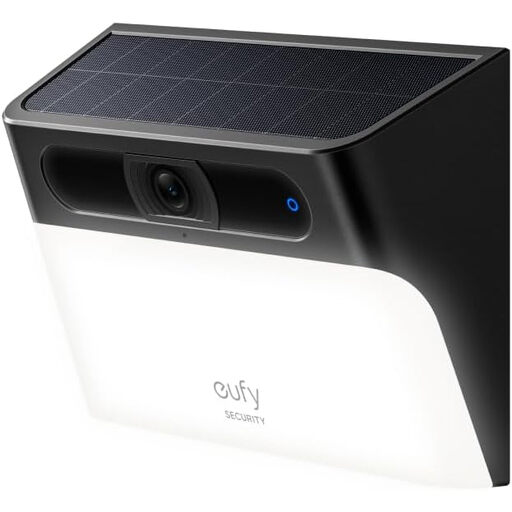
Why It Stands Out: This device is a clever 2-in-1 solution, integrating a security camera and a security camera with spotlight into a single, compact unit. It’s designed for straightforward wall mounting and provides both surveillance and functional lighting for your property's exterior.
Pros:
Who is it for: Anyone seeking a simple, all-in-one device to monitor and illuminate a specific area like a porch, patio or side entrance without the complexity of separate systems.
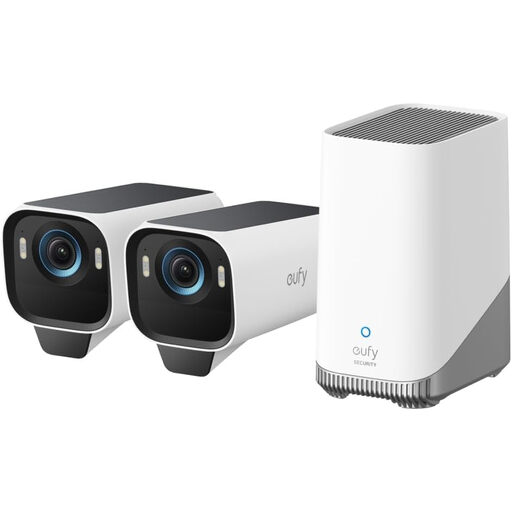
Why It Stands Out: For those who prioritise image fidelity, this 4K solar security camera kit delivers exceptional detail. It uses advanced technology to capture vivid colour footage in low light without needing a bright spotlight. The included HomeBase 3 hub provides powerful AI features and massive, expandable local storage.
Pros:
Who is it for: Users looking to build a comprehensive, high-performance security system. It's well-suited for those who want the highest video quality and the flexibility of a central storage hub for multiple cameras.
View the eufyCam S3 Pro Kit on Joybuy
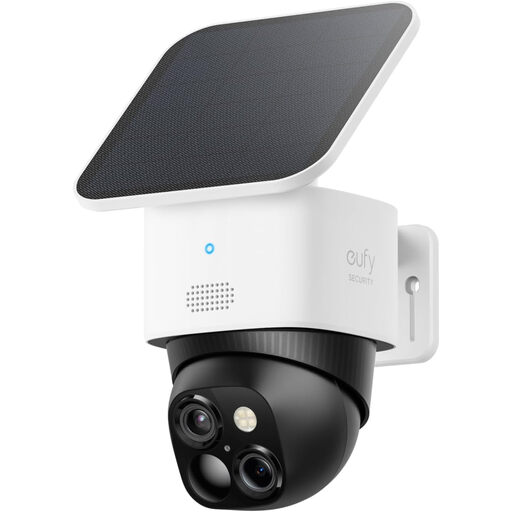
Why It Stands Out: This is a highly versatile 360 outdoor security camera that uses a dual-camera system to eliminate blind spots. It offers a wide-angle view for overall context and a telephoto lens for zooming in on details, all displayed in a single frame. Its pan-and-tilt capabilities allow you to cover a large area with just one device.
Pros:
Who is it for: Ideal for monitoring large, open areas like back gardens, driveways or the corners of a property where a single fixed camera wouldn't be sufficient.
View the eufy SoloCam S340 on Joybuy
The models highlighted here represent just a fraction of the innovative security solutions available. The market for wireless outdoor security cameras is constantly evolving, with various options to suit different needs and budgets.
If these recommendations aren't quite right for you or if you'd like to compare other battery powered security camera models, feel free to browse our wider selection.
Explore our complete collection of Wireless Outdoor Cameras
Do solar powered security cameras work in the UK winter? Yes, modern solar security cameras are designed for year-round use, even in the UK's often-overcast conditions. They are equipped with large internal batteries that store power, and the solar panels are efficient enough to maintain a charge with just a few hours of ambient daylight. For locations with very limited sun, such as north-facing walls, choosing a model with a larger battery or a detachable solar panel that can be placed in a sunnier spot is a practical approach.
Is a CCTV camera with no monthly fee really free to operate? In terms of ongoing service costs, yes. The "no monthly fee" model means the device uses local storage—such as a built-in memory chip or a microSD card—to save video recordings. This avoids the need for a paid cloud subscription. The only cost is the initial purchase of the hardware.
How difficult is it to install a wireless outdoor security camera? Most solar-powered cameras are designed for straightforward DIY installation. Because they are a type of battery powered security camera that is recharged by the sun, there is no need to run power cables through walls. Installation typically involves attaching a mounting bracket to a wall with a few screws and then securing the camera. The entire process can often be completed in less than 30 minutes.