What should you check before choosing?
Tesco and Waitrose list compact, standard and larger tubs; the useful starting point is how often you expect to open the same dessert.
Compact tub: around 425–500ml
Consider it when: Dessert is occasional or you prefer changing flavours between purchases.
Trade-off: It is a smaller purchase, not necessarily one portion; check the pack’s serving information if that distinction matters.
Standard tub: around 750–950ml
Consider it when: You eat dessert regularly and are happy to return to one flavour.
Trade-off: The larger tub needs more freezer space and leaves more to use over later occasions.
Large tub: around 1.8–2 litres
Consider it when: Several people will share it or you expect frequent use.
Trade-off: For an occasional dessert for one, it commits considerably more freezer space to the same product.
| Priority | What to check | Your needs |
|---|
| Pack size | Read the net volume in ml or litres. Compare the tub with how often you expect to serve that flavour; check stated serving information separately. | I would rather buy a smaller amount if dessert is only occasional. A larger tub could work if I expect to use it repeatedly. |
| Format and flavour | Check whether the product is a tub, a smaller pot or a multipack, and whether you want the same flavour on later occasions. | Changing flavours matters to me more than keeping a large tub of one dessert. |
| Ingredients and allergens | Read the exact pack’s ingredients, highlighted allergens and any precautionary allergen statement. Recheck when switching flavour or format. | If an ingredient or allergen matters to me, I need information for this specific product rather than an assumption about the brand. |
| Storage and date mark | Check the pack’s storage instructions and its actual date marking. GOV.UK distinguishes quality-related best-before dates from safety-related use-by dates. | I have room to store the tub as instructed and can check its label each time I choose a different product. |
Brand and retailer references
These ranges illustrate formats to compare; a retailer or brand name alone does not establish that a particular pack suits one-person meals.
Tesco
Tesco’s ice-cream-tub listings include compact products, 900ml tubs and 2 litre soft-scoop tubs.
- Displayed volumes make it possible to compare the scale of each purchase.
- Check the current listing for the specific product and your location.
Waitrose
Waitrose lists compact tubs, including a 480ml No.1 chocolate ice cream, alongside a 2 litre Essential vanilla soft scoop.
- The listed formats offer different amounts of one flavour to store and use.
- Check the individual product listing for current availability and pack details.
M&S
Marks & Spencer describes both ice-cream pints intended for sharing and smaller pots; its listings also include 500ml Collection products.
- Pots and tubs provide distinct formats to consider for a dessert after one meal.
- Do not treat a stated pack weight or volume as a serving count without checking the product.
Häagen-Dazs
Häagen-Dazs appears in Tesco’s listings in a 460ml tub format.
- That listed volume provides a compact-tub comparison for an occasional dessert purchase.
- Check the exact flavour’s ingredients, allergens and serving information.
Frozen dessert tubs on Joybuy
These options include three compact tubs for a smaller purchase and one 900ml tub to consider if you return to the same dessert regularly. None of the stated tub volumes, by itself, defines a single portion.
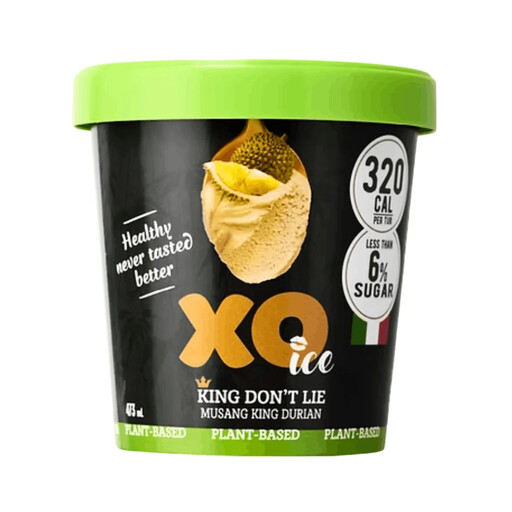 Image unavailable
XO ICE Musang King Durian Gelato, plant-based, 473ml
The 473ml tub is a compact purchase to consider for an occasional dessert, rather than a stated single serving. Its description gives −18°C storage guidance and identifies coconut and possible traces of milk; check the exact pack if either allergen matters to you.
View on Joybuy
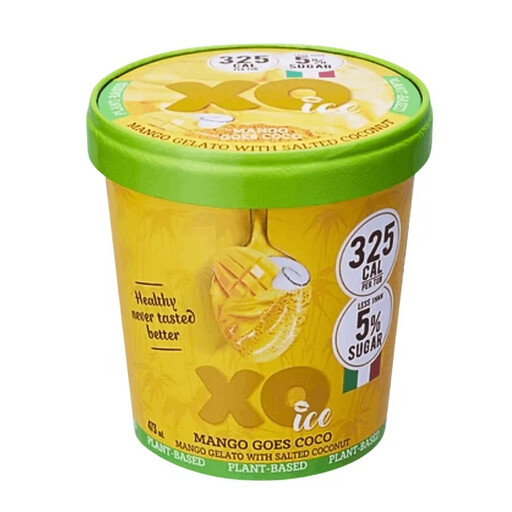 Image unavailable
XO ICE Mango and Coconut Gelato, plant-based, 473ml
This 473ml tub offers another compact flavour choice; its volume does not establish a serving count. The description identifies coconut and possible traces of eggs, peanuts, sesame and tree nuts, and says the product is not suitable for people with a coconut allergy. Check the pack and its −18°C storage guidance.
View on Joybuy
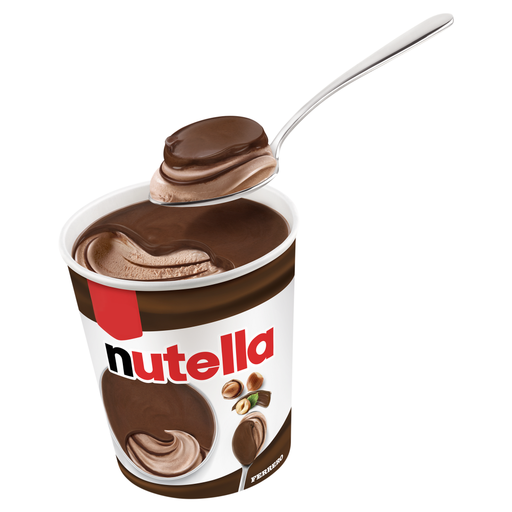 Image unavailable
Nutella Ice Cream Tub, 470ml
At 470ml, this is a compact tub rather than a stated single serving. The description identifies hazelnuts, milk and soya, along with possible traces of other allergens; check the exact pack. It also gives −18°C storage guidance.
View on Joybuy
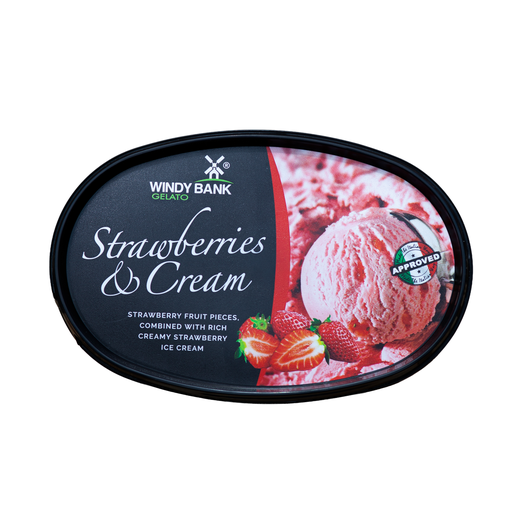 Image unavailable
Windy Bank Strawberries & Cream Tub, 900ml
The 900ml tub is a larger commitment to one flavour and is more relevant if you expect several dessert occasions. Its description lists milk, possible traces of nuts and peanuts, and −18°C storage guidance. It also carries an E124 and E102 warning about possible effects on activity and attention in children; check the exact pack.
View on Joybuy
Frequently asked questions
Is a 460–500ml tub one serving?
Not necessarily. That figure describes the pack’s volume, not a universal portion; check the individual product’s stated serving information if you are planning how many desserts it will provide.
When does a larger tub make sense for one person?
Consider a 750–950ml tub if you regularly eat dessert, have freezer space and are happy to return to the same flavour. A 1.8–2 litre tub is a much larger commitment, more relevant to frequent use or sharing.
What should I check on a UK frozen-dessert label?
Check the product’s net quantity, ingredients, allergen information, storage directions and date marking. GOV.UK sets out information required on prepacked food labels, while the Food Standards Agency provides guidance on allergen information; use the details on the exact pack when choosing between flavours or formats.
How should I store a tub after taking it home?
Follow that product’s storage instructions and check its date mark. GOV.UK distinguishes quality-related best-before dates from safety-related use-by dates; do not assume every frozen dessert carries the same instructions.
Does ‘plant-based’ or ‘dairy-free’ settle every allergen question?
No. Read the exact product’s ingredients, declared allergens and any precautionary statement. The Food Standards Agency explains that precautionary allergen labelling communicates possible unintended allergen presence; a product designation alone does not replace that pack-specific information.


