
24/7 Customer Support

Free returns

Same-day & Next-day Delivery

Quality Guaranteed

Unlock Your Welcome Offers: FREE Delivery | Up to 80% OFF | Free 30-day JoyPlus trial
Download the APP
Upgrading to a sonic electric toothbrush can feel like a significant step up for your oral hygiene. With promises of superior plaque removal and a brighter smile, the appeal is clear. However, the market is crowded with models boasting features that sound impressive but often fail to deliver practical value, leading to buyer's remorse.
As a Joybuy Product Recommendation Officer, my role is to help you cut through the marketing jargon. Before you invest, let's look at the common pitfalls that UK shoppers encounter and what truly matters when making your choice.
Instead of focusing on marketing buzzwords, let's break down the key specifications that deliver real-world benefits for your daily oral care for adults.
This is arguably the most important feature for anyone switching from a manual brush. It's easy to apply too much force with a powerful electric toothbrush, which can lead to gum recession and enamel wear over time. An electric toothbrush with a pressure sensor provides a physical cue—usually a vibration in the handle or a warning light—to let you know when you're brushing too hard. This simple feature is a non-negotiable for protecting your long-term oral health.
While a six-month battery is impressive, the real measure of convenience is how a toothbrush fits into your life. A long battery life toothbrush is excellent for frequent travellers, but for home use, a model that lasts several weeks is more than sufficient. The more critical factor is the charging method. A rechargeable electric toothbrush that uses a standard USB-C cable is far more practical than one requiring a bulky, proprietary charging dock. It means one less specific cable to worry about, especially when packing.
Multiple cleaning modes are not a gimmick if they serve a purpose. A good whitening electric toothbrush mode will operate differently from a 'Sensitive' or 'Gum Care' mode. These allow you to personalise your routine based on your needs. Equally essential is a smart timer toothbrush. The built-in two-minute timer, often paired with a 30-second 'quad-pacer' that prompts you to move to the next section of your mouth, is fundamental for ensuring you brush for the dentist-recommended duration and cover all areas evenly.
Based on these practical criteria, here are a few models that stand out for different types of users.
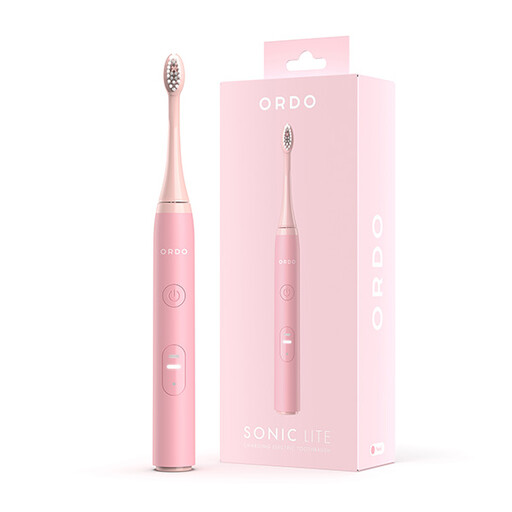
Why This Fits Their Persona: Ideal for someone moving from a manual brush who wants the core benefits of sonic technology without paying for features they won't use. It's a straightforward, effective entry into better oral care.
It avoids the "overly complex smart features" trap by focusing on essentials: two useful modes (Gentle, Clean), a smart timer and a solid battery life, all charged via convenient USB-C.
Delivers 35,000 sonic pulses per minute for effective cleaning and boasts a 5+ week battery life with modern USB-C charging. It is also fully waterproof for use in the shower.
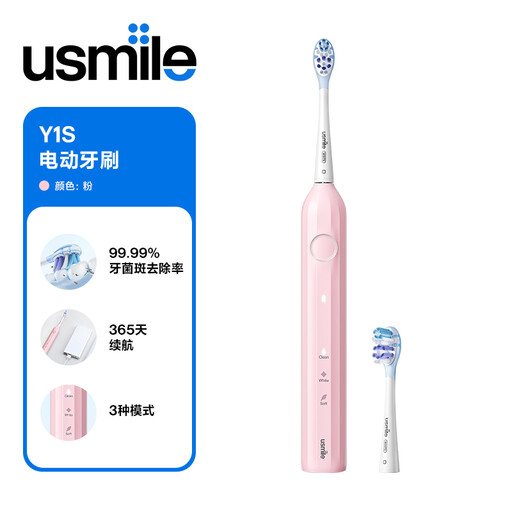
Why This Fits Their Persona: Designed for those who are often on the move. The combination of an exceptionally long battery life and an included travel case means it's always ready to go, without the need to pack a charger for most trips.
It sidesteps the "battery life illusion" by backing up its 6-month charge with solid features, including three cleaning modes and a smart timer, proving it's a capable all-rounder, not just a battery pack.
The standout feature is its 6-month battery life from a single charge. It also includes a dedicated electric toothbrush with travel case, making it a complete, convenient package for travel.
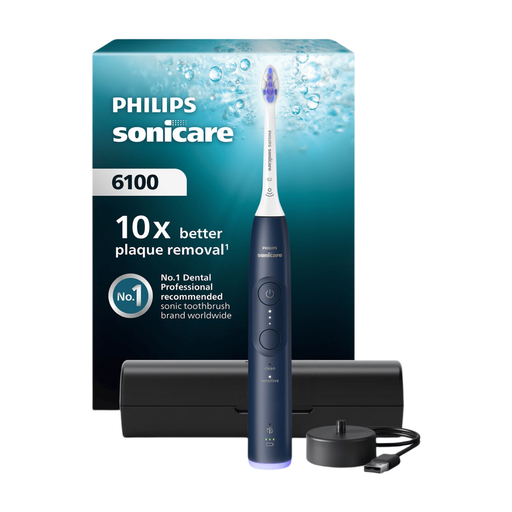
Why This Fits Their Persona: For the user who wants to invest in advanced, proven technology to personalise and optimise their clean. It offers a high degree of control and useful feedback without unnecessary complexity.
This model offers genuinely useful technology. The visual pressure sensor and BrushSync head replacement reminders are practical features that directly enhance brushing effectiveness and safety, avoiding the "gimmicky smart feature" trap.
Offers a high level of customisation with 3 modes and 3 intensity levels. The built-in visual pressure sensor provides clear, immediate feedback to protect gums and BrushSync technology helps ensure optimal performance.
We have compiled a complete, real-time list of products that fully satisfy these strict selection criteria and UK safety regulations.
For hygiene and effectiveness, it is recommended to replace your brush head every three months. Many modern toothbrushes, like some Philips Sonicare models, have BrushSync technology or fading bristles that serve as a reminder, taking the guesswork out of it. A worn brush head cleans less effectively and can harbour bacteria.
Yes, they can be very suitable. Most reputable sonic toothbrushes include a 'Sensitive' or 'Gum Care' mode, which operates at a lower intensity. When starting, it's a good idea to use this mode first. Furthermore, the inclusion of a pressure sensor is key, as it trains you to use a lighter touch, which is beneficial for anyone, especially those with sensitive gums, crowns or braces.
The primary difference is the motion. A sonic electric toothbrush has a brush head that vibrates from side-to-side at very high speeds (tens of thousands of movements per minute). This motion agitates the fluids in your mouth to help clean between teeth and below the gumline. An oscillating-rotating toothbrush has a small, round head that spins back and forth. Both are effective at removing plaque and the choice often comes down to which brushing sensation you prefer.