
24/7 Customer Support

Free returns

Same-day & Next-day Delivery

Quality Guaranteed

Unlock Your Welcome Offers: FREE Delivery | Up to 80% OFF | Free 30-day JoyPlus trial
Download the APP
A sore throat can make speaking, swallowing and getting through a working day uncomfortable. Sore throat lozenges offer a convenient option for temporary relief, but the large choice of medicated, herbal, menthol and confectionery products can make comparison confusing.
A low price does not always mean good value, and a familiar flavour does not necessarily mean the lozenge contains an active ingredient. Before buying throat relief lozenges, check what the product is designed to do, who can use it and how frequently it can be taken.
Some products are licensed medicines containing active ingredients such as hexylresorcinol, 2,4-dichlorobenzyl alcohol or amylmetacresol. Others are medicated confectionery or traditional herbal sweets intended to provide a soothing sensation.
This distinction matters. Products such as Strepsils lozenges have stated medicinal ingredients and dosage instructions, while herbal throat lozenges and fruit-flavoured cough drops may primarily provide flavour, moisture or cooling comfort. Neither type should be selected solely because the packaging uses phrases such as “strong”, “extra” or “intense”.
Many traditional sore throat relief products contain sugar or glucose syrup. This can be easy to miss when comparing flavours such as honey and lemon lozenges or blackcurrant throat lozenges.
Sugar-free throat lozenges may use polyols, aspartame or other sweeteners instead. Halls Original, for example, contains isomalt, aspartame and acesulfame K, and the packaging warns that it contains a source of phenylalanine. Excessive consumption of polyols may also have a laxative effect. Always check the ingredients and nutrition panel, particularly when buying for someone with an intolerance or a specific dietary requirement.
Hard lozenges present a choking risk for young children. Age guidance varies by product: some Strepsils products are labelled for adults and children aged six and over, while certain Halls products specify five years and over or carry different guidance on the packaging.
Medicinal products also have maximum daily amounts and usage periods. A larger pack is not automatically better value if it cannot be used before its expiry date or if the product is unsuitable for the intended user.
For temporary sore throat pain, look for a medicine with clearly stated active ingredients and a patient information leaflet. Strepsils Extra Blackcurrant contains hexylresorcinol 2.4 mg per lozenge, while Strepsils Original and Honey and Lemon products contain 2,4-dichlorobenzyl alcohol 1.2 mg and amylmetacresol 0.6 mg per lozenge.
For a cooling sensation linked with coughs or congestion, compare menthol lozenges instead. Halls Cherry contains 6.8 mg of menthol per drop according to its product information. Menthol can create a refreshing sensation, but it should not be confused with treatment for an underlying illness.
If sugar intake is a concern, compare “sugar-free” wording with the full ingredient list. Sugar-free does not mean ingredient-free: sweeteners, acids and flavourings may still be present.
For a conventional option, Lockets Honey and Lemon contains honey and sugar-based ingredients. For a non-medicinal herbal choice, NIN JOIM Loquat Throat Lozenges contain sugar and glucose syrup alongside loquat leaf extract, menthol, liquorice root and other listed ingredients.
Blister packs offer individual protection and make dosage counting easier. Rolls, tins and individually wrapped sweets can be more convenient for a handbag, desk drawer or car.
Compare the number of lozenges, not just the number of packs. A two-pack of 12 lozenges is different from two packs of 16, while an 80-count nicotine lozenge pack is intended for a completely different usage pattern.
The following options are matched to distinct shopping needs. Product formulations, packaging and instructions can change, so check the label supplied with your order before use.
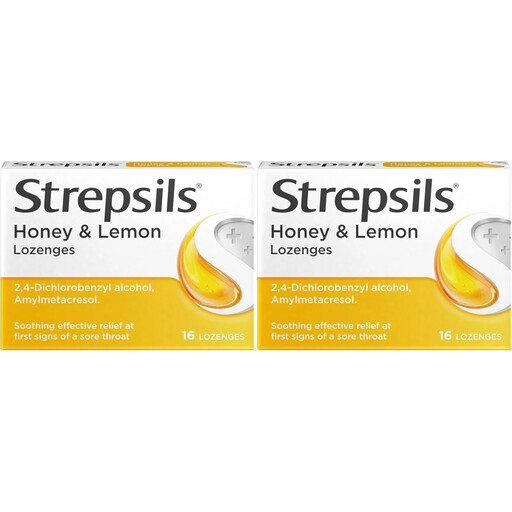
Why This Fits Their Persona: A familiar format for adults or families needing a clearly labelled OTC option for occasional sore throat discomfort.
The active ingredients and age guidance are stated, helping shoppers distinguish a medicine from an ordinary sweet.
Contains two stated antiseptic ingredients; supplied in a two-pack format.
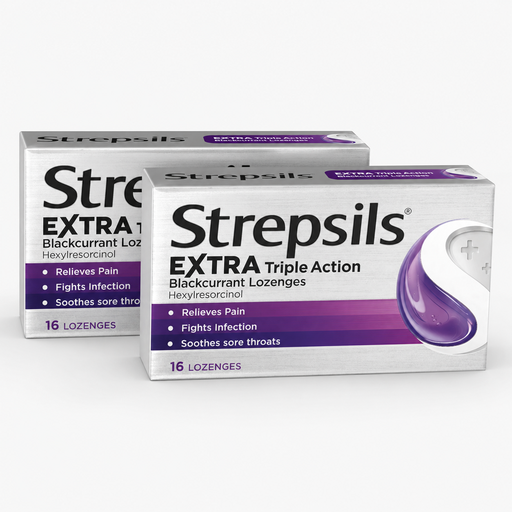
Why This Fits Their Persona: Suitable for shoppers prioritising a named active ingredient and a clearly defined maximum daily dose.
The product information identifies hexylresorcinol at 2.4 mg per lozenge and gives a maximum of eight in 24 hours.
Blackcurrant flavour; labelled for adults, older people and children over six years.
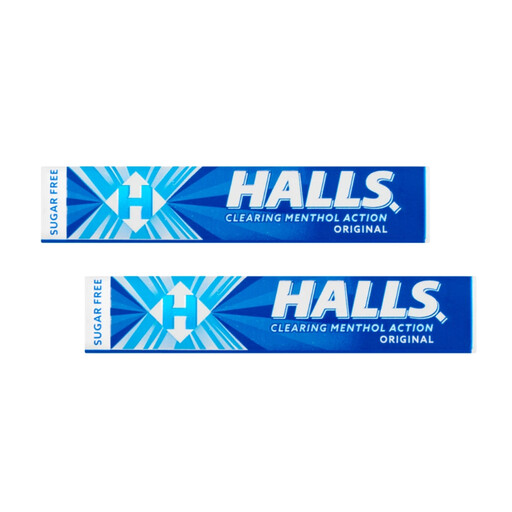
Why This Fits Their Persona: A pocket-sized option for adults who want a cooling menthol sensation during commutes, travel or workdays.
It is identified as sugar-free, while the sweetener warnings remain visible for shoppers who need to check phenylalanine or polyol content.
Sugar-free recipe; compact roll format; designed for throat, cough and congestion comfort.
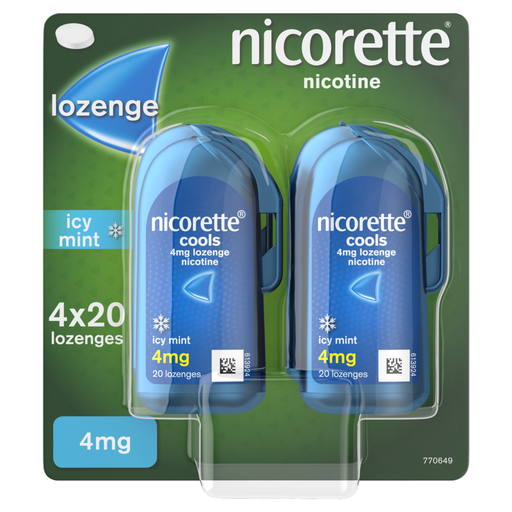
Why This Fits Their Persona: Intended for adults and those aged 12 and over using a nicotine replacement product to reduce or stop smoking.
It is clearly separated from ordinary throat relief: each lozenge contains 4 mg nicotine and has specific usage limits.
Sugar-free; 80-lozenge pack; designed as a smoking cessation aid rather than for sore throat symptoms.
We have compiled a complete, real-time list of products that fully meet these strict selection criteria and UK safety regulations.
Some medicinal products state that they begin providing relief within around five minutes, while menthol and herbal products may offer a cooling or soothing sensation as they dissolve. The experience varies, so compare the active ingredient, dosage and intended purpose rather than relying only on “fast-acting” wording.
Not necessarily. Sugar-free products can contain polyols, aspartame or other sweeteners. Halls Original, for example, contains aspartame and a source of phenylalanine. Read the label carefully if you have phenylketonuria, digestive sensitivity or another dietary concern.
Nicotine lozenges are smoking cessation lozenges, not standard throat relief lozenges. They contain nicotine and are intended to help manage cravings and withdrawal symptoms. Use them only as directed in the leaflet, and ask a pharmacist, doctor or nurse for advice if you are pregnant, breastfeeding, taking medicines or managing a medical condition.