
24/7 全天候客户支持

免费退货

当日/次日达

品质保障

开启新人专享福利: 全场免邮 | 低至 2 折 | 免费试用 30 天 JoyPlus 会员
下载 Joybuy
A sore throat can make swallowing, speaking and getting through a working day uncomfortable. Sore throat lozenges offer a convenient way to keep relief in a pocket, desk drawer or bedside cabinet, but not every product serves the same purpose.
Some are medicines containing active ingredients, while others are soothing confectionery designed to dissolve slowly. Flavour, sugar content, age suitability and allergens can also vary considerably. The right choice depends less on attractive packaging and more on what the label says.
Honey and lemon lozenges, blackcurrant throat sweets and herbal throat lozenges may provide a pleasant coating or cooling sensation. However, they should not automatically be treated as equivalent to medicated throat lozenges.
Products containing ingredients such as menthol, hexylresorcinol, 2,4-dichlorobenzyl alcohol or amylmetacresol have a more clearly defined purpose on their product labelling. Food confectionery may instead focus on flavour, a liquid centre or traditional herbal ingredients.
Check whether you are buying:
Sugar-free cough drops can be useful for shoppers monitoring sugar intake, but they may contain polyols such as isomalt, which can have a laxative effect if consumed excessively. Some also contain aspartame, a source of phenylalanine, which is unsuitable for people with phenylketonuria.
Conversely, traditional menthol lozenges and honey and lemon lozenges often contain sugar or glucose syrup. Compare the ingredients rather than relying on front-of-pack wording.
Hard sweets and lozenges can present a choking risk for young children. The minimum age differs between products: some medicated products are labelled for children aged six and over, while certain menthol products specify five years and over. Other confectionery products may not give a precise age recommendation.
Always follow the age guidance on the current packaging. A lozenge should be allowed to dissolve slowly in the mouth and should not be chewed or swallowed whole.
For temporary sore throat relief, check the active ingredients and the maximum daily dose. For example, some Strepsils lozenges contain 2,4-dichlorobenzyl alcohol and amylmetacresol, while Strepsils Extra contains hexylresorcinol.
Menthol lozenges, including selected Halls lozenges, are generally chosen for a cooling sensation and may be marketed for coughs, throat irritation or congestion associated with colds. Menthol does not make every product interchangeable, so match the product description and directions to your symptoms.
If symptoms continue for the period stated on the label, worsen or are accompanied by other concerns, speak to a pharmacist or healthcare professional.
Read the full ingredient list if you have allergies, intolerances or dietary preferences. Relevant examples in this selection include:
Formulations and packaging can change, so check the label supplied with your order rather than relying only on an online description.
A twin pack may be practical for splitting between home and work, or keeping one in a car and one in a bag. Individual blister packs can offer more controlled storage for medicines, while wrapped sweets and pocket-sized rolls are convenient for travel.
Consider how frequently you expect to use the product, but avoid buying a large quantity simply because the pack appears economical. Check the expiry or best-before information and store the lozenges as directed.
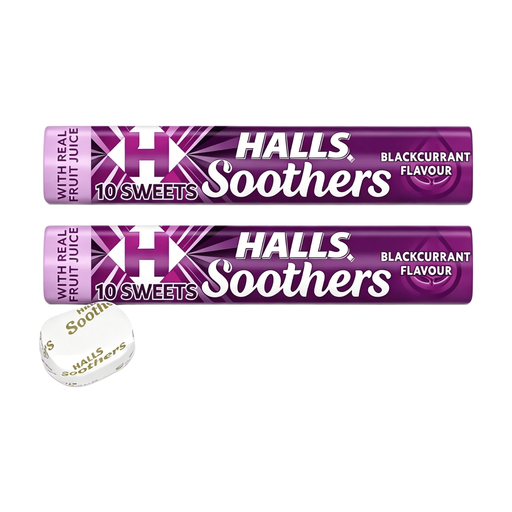
Why This Fits Their Persona: A straightforward option for shoppers who want portable blackcurrant throat sweets with a softer liquid centre for occasional soothing at work, home or while travelling.
It is presented as a soothing confectionery product rather than being mistaken for a medicated throat treatment. The ingredient list and choking warning are clearly relevant checks.
Blackcurrant flavour, liquid centre and two 45g packs; suitable for vegetarians according to the product information.
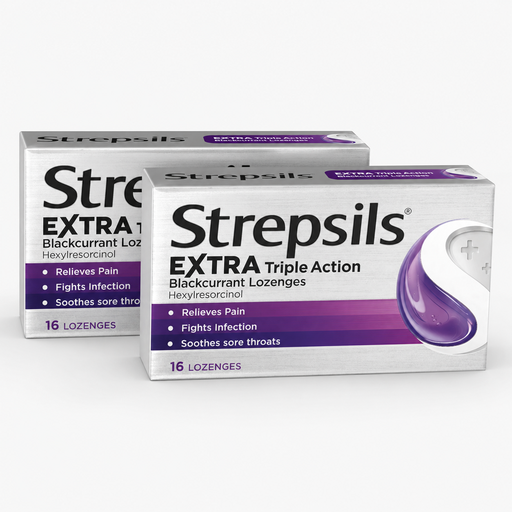
Why This Fits Their Persona: Suitable for adults and children over six who want a labelled medicinal option for temporary sore throat pain and prefer blackcurrant flavour.
The active ingredient, hexylresorcinol 2.4mg per lozenge, is specified, along with a maximum of eight lozenges in 24 hours and a three-day usage limit.
Blister-packed 16-lozenge twin packs; suitable for over-sixes, subject to the label and individual circumstances.
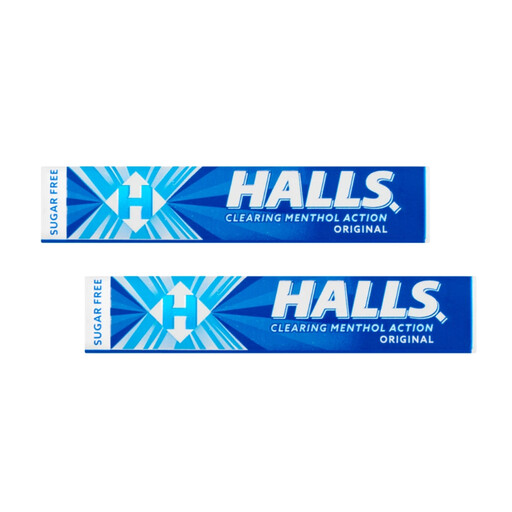
Why This Fits Their Persona: A practical choice for adults seeking a strong menthol sensation in a compact roll for commuting, driving or keeping at a desk.
The sugar-free wording is balanced by practical warnings about polyols and aspartame. Shoppers can assess whether those sweeteners suit their needs before buying.
Sugar-free recipe, menthol flavour and a portable 32g format; contains a source of phenylalanine.
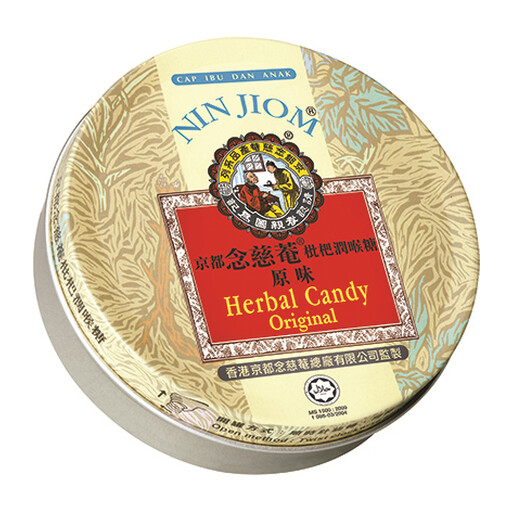
Why This Fits Their Persona: Its loquat leaf extract, liquorice root, platycodon root, menthol and honey ingredients suit shoppers looking for a traditional herbal throat sweet for home, office or travel.
The product information identifies it as a throat lozenge rather than a replacement for a labelled medicine. The full herbal ingredient list helps shoppers check suitability.
Individually wrapped pieces, 60g pack and no allergens listed in the supplied product information.
We have compiled a complete, real-time list of products that fully satisfy these strict selection criteria and UK safety regulations.
The duration depends on the product. Some medicated lozenges state a dosing interval of two to three hours, while others specify a maximum daily amount or a shorter period of use. Follow the individual leaflet rather than taking another lozenge whenever discomfort returns.
Only if the product label permits it. Age limits vary, and hard lozenges can be a choking hazard. Products in this selection include options labelled for children aged five or six and over, while some confectionery carries a warning for children under four. Never assume that an adult product is suitable for a child.
Not necessarily. Cost depends on the number of lozenges per pack and the recommended intake, not simply whether the recipe is sugar-free. Check the pack quantity, directions and sweeteners. Sugar-free products containing polyols should also be consumed according to the packaging guidance.