
24/7 Customer Support

Free returns

Same-day & Next-day Delivery

Quality Guaranteed

Unlock Your Welcome Offers: FREE Delivery | Up to 80% OFF | Free 30-day JoyPlus trial
Download the APP
A good soup base can turn a few everyday ingredients into ramen broth, hot pot, stew, gravy or noodle soup with much less preparation. However, attractive packaging and phrases such as “restaurant-style flavour” do not always tell you whether a product suits your diet, cooking method or household.
Before buying, check the ingredients, dilution instructions and serving format. A concentrated Japanese soup base may be economical for several meals, while a small packet of Chinese seasoning mix may be more practical for one braised dish. The right choice depends on how you cook.
A large bottle or pouch may look good value, but the actual yield depends on the recommended water ratio. For example, a 750g Japanese soup base may be intended for several hot pot or ramen meals, while a 125g individual hot pot base is designed for a smaller pot.
Compare the number of prepared portions, not just the net weight. Also check whether the product is ready to use, concentrated or intended to be diluted.
Stock cubes, stock pots and Asian condiments often contain salt, flavour enhancers or fermented seasonings. This is not automatically a flaw, but it affects how you build a recipe. Adding a stock cube, soy sauce and a salty dipping sauce to the same dish can produce an overly salty result.
For reference, the listed Knorr Rich Beef Stock Pot provides 0.82g salt per 100ml of prepared stock, while the Kikkoman Hon Tsuyu fish soup stock contains 9.9g salt per 100ml before dilution. Always follow the label and taste before adding extra salt.
“Vegetable”, “plant-based” or “chicken flavour” wording does not replace an allergen check. Products may contain soy, wheat, gluten, milk, celery, peanuts, sesame, fish or crustaceans. Some meat-free soup bases also use soya milk or wheat-containing soy sauce.
For UK shoppers, read the bold allergen information on the current packaging, particularly when cooking for guests, children or anyone with an allergy. Recipes and product formulations can change.
The preparation ratio is one of the most useful specifications. A stock cube may make approximately 190ml of stock, while another cube or seasoning may be designed for a different volume. Kikkoman Hon Tsuyu suggests mixing one part concentrate with two to four parts water, depending on taste and use.
For hot pot soup base, check whether the pack is intended for a single serving, a family pot or multiple uses. Using too little water can make the broth excessively salty or oily.
Choose the format that matches your routine:
Look beyond front-of-pack descriptions. A vegetarian stock may contain celery, barley or wheat, while a plant-based Japanese soup base may contain soy and gluten. A beef or lamb stock may include milk, celery or wheat-based carriers.
If you need a halal, vegetarian or vegan option, confirm the specific product label or certification rather than relying only on flavour wording. Store opened liquid products according to the instructions, usually sealed and refrigerated.

Why This Fits Their Persona: Individually foil-wrapped cubes provide a straightforward cupboard staple for soups, casseroles, pies and everyday sauces.
The pack states a preparation guide of one cube in 190ml of boiling water, making portion planning clearer.
12 cubes; can be dissolved or crumbled directly into a dish. Contains wheat, so check the allergen label.
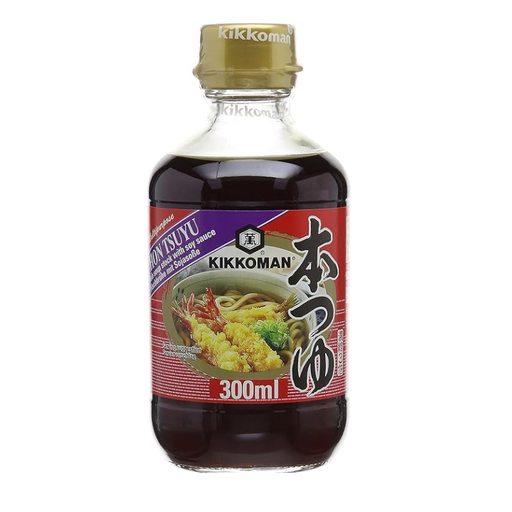
Why This Fits Their Persona: A liquid Japanese soup base for noodle broth, hot pots, soups and dipping sauces.
The label gives a flexible two-to-four-parts-water dilution range rather than forcing one strength for every recipe.
Contains fish, soya beans and wheat; suitable for multiple Japanese-style applications.
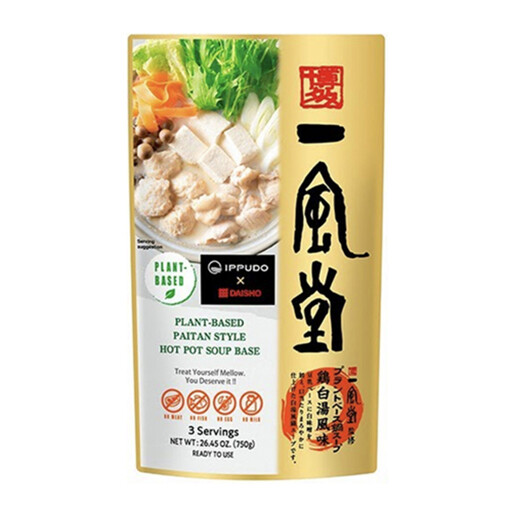
Why This Fits Their Persona: Designed for creamy Japanese-style ramen broth and hot pot using noodles, vegetables or tofu.
Its plant-based positioning is supported by an ingredient list without meat or fish, but it still contains soy and wheat.
750g format; listed at approximately 24 kcal and 2.4g salt per 100g.
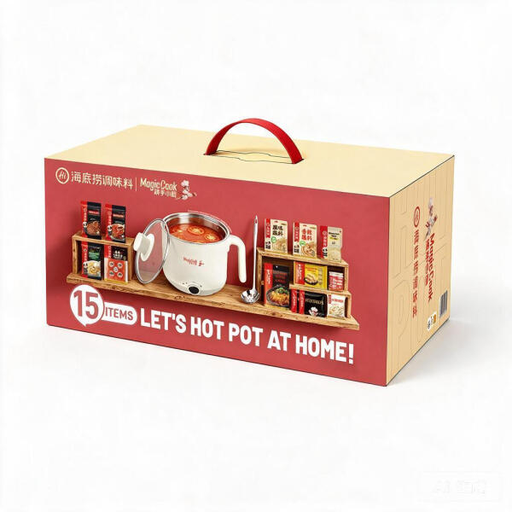
Why This Fits Their Persona: A multi-component set for households wanting to serve hot pot with less separate shopping.
The contents are specified as 15 items, including four soup bases, four dipping sauces, ingredients and an electric cooker.
Includes clear oil spicy, tomato, pork tripe and chicken and spicy bases. Contains soy, wheat, peanuts and sesame.
For everyday British cooking, consider chicken stock, beef stock, lamb stock or vegetable stock in cube or pot format. Knorr Rich Beef Stock Pot is supplied as four 112g pots and can be diluted in 500ml of water, or 750ml for a lighter stock. Knorr Vegetable Stock Pot provides eight 28g portions and is listed as suitable for vegetarian and vegan meals, although it contains celery.
For Chinese cooking, Hao Ren Jia Five-Spice Braising Stock Seasoning Mix comes in three 120g packs. One pack is mixed with approximately 1.2–1.5kg of water and used with meat or tofu. Hua Hai Shun Da Beef & Lamb Stew Mix is a 25g spice sachet intended for approximately 1–1.5kg of meat, while Nan De Halal Chicken Stock Seasoning is a powdered option for soups, stir-fries, noodles and marinades.
We have compiled a complete, real-time list of products that fully satisfy these strict selection criteria and UK safety regulations.
Follow the product’s dilution instructions first. As a general approach, dissolve stock cubes in the stated volume of boiling water, while liquid Japanese soup bases may require two to four parts water. Taste before adding salt, soy sauce or other Asian condiments.
Yes. Japanese soup base, paitan-style base, fish stock and some hot pot soup bases can be used for ramen broth. Add noodles and toppings separately, and check cooking instructions to ensure the final dish is piping hot.