
24/7 Customer Support

Free returns

Same-day & Next-day Delivery

Quality Guaranteed

Unlock Your Welcome Offers: FREE Delivery | Up to 80% OFF | Free 30-day JoyPlus trial
Download the APP
A good bowl is an unsung hero of the kitchen. It’s there for your morning cereal, a comforting lunchtime soup and a hearty evening pasta. Yet, choosing the right ones can be surprisingly tricky. The market is filled with options that look appealing on the shelf but fail to deliver in daily use. As a Joybuy Product Recommendation Officer, my role is to help you see past the marketing and focus on what truly matters for your home.
Before you add any new bowls to your basket, let's look at a few common pitfalls that can lead to buyer's remorse:
To ensure your new bowls are a pleasure to use for years to come, focus on these core parameters.
The material of your bowl affects its weight, heat retention and longevity. Most everyday bowls are ceramic, but the quality can vary significantly.
The shape of a bowl dictates its function. A well-stocked kitchen often benefits from a few different types.
Beyond material and shape, consider the small design details that make a big difference. Stackable bowls with a uniform rim and a stable, flat base are essential for saving space and preventing wobbles. A smooth, non-porous glaze not only looks good but is also easier to clean and more resistant to stains and odours from strong foods.
Here are a few options that align with these practical principles, matched to different household needs.
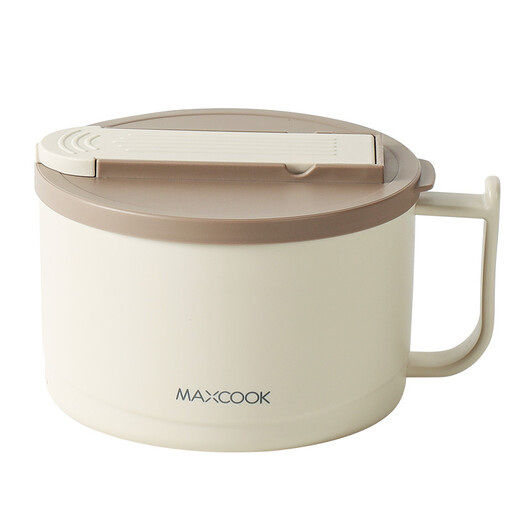
Why This Fits Their Persona: For anyone who loves crafting the perfect bowl of ramen or pho at home, this set is ideal. The generous 1.5-litre capacity provides ample room for broth, noodles and all the toppings without fear of overflow.
This bowl directly solves the "capacity illusion" pitfall. Its deep, purpose-built design is genuinely suited for liquid-heavy meals, unlike shallower bowls with the same advertised volume.
It's a complete set, including a matching spoon and chopsticks. Being microwave and dishwasher safe adds a layer of everyday convenience.
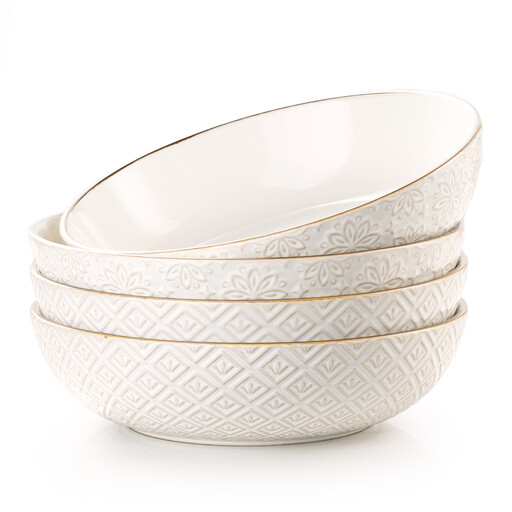
Why This Fits Their Persona: This set of four is a workhorse for a family. The wide, 8.5-inch design makes them incredibly versatile, serving equally well as pasta bowls, a salad bowls set or even as shallow ceramic serving bowls for side dishes.
These bowls are specifically designed for secure, space-saving stacking. This directly counters the "stacking catastrophe," keeping cupboards organised and tidy.
Their premium ceramic construction is scratch-resistant and safe for the dishwasher, microwave and even the oven, offering maximum versatility for a busy household.
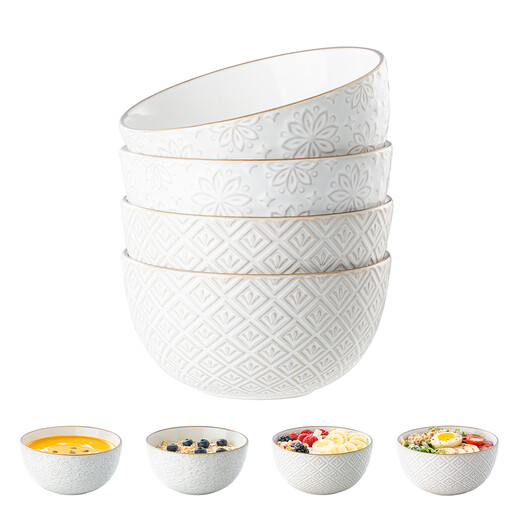
Why This Fits Their Persona: Perfect for those who appreciate aesthetics, this set brings a touch of farmhouse charm to the table. Each of the four bowls features a unique embossed pattern, adding texture and visual interest to everyday meals.
Crafted from high-grade stoneware with a durable, chip-resistant glaze, this set is built to last. It avoids the "dishwasher-safe disappointment" by ensuring the textured design and finish remain intact with regular use.
The combination of style and function is key. They are fully stackable, freezer safe and suitable for the oven, microwave and dishwasher, proving that beautiful tableware can also be highly practical.
We have compiled a complete, real-time list of products that fully satisfy these strict selection criteria and UK safety regulations.
The most reliable way is to check for a "microwave safe" symbol on the bottom of the bowl. As a rule, never microwave bowls that have a metallic trim or paint. If you are uncertain, you can place the empty bowl in the microwave next to a cup filled with water. Heat for one minute. A microwave-safe bowl will remain cool, while the water will be hot. If the bowl itself becomes hot, it is absorbing microwave energy and is not safe for use.
Both are types of ceramic, but the key difference is the firing temperature. Stoneware is fired at a high temperature (around 1,200°C), making it non-porous, durable and more opaque than porcelain. It often has a heavier, more rustic feel. Porcelain is fired at even higher temperatures (up to 1,400°C), resulting in an extremely hard, translucent and non-porous material that is highly resistant to chipping.
To minimise staining from colourful foods like tomato-based soups or curries, it's best to rinse the bowls immediately after you've finished eating. For any stubborn stains that do appear, creating a paste from bicarbonate of soda and a little water and gently rubbing it on the stain can often lift it without damaging the glaze. Choosing bowls with a high-quality, smooth glaze in the first place is the best preventative measure.