
24/7 Customer Support

Free returns

Same-day & Next-day Delivery

Quality Guaranteed

Unlock Your Welcome Offers: FREE Delivery | Up to 80% OFF | Free 30-day JoyPlus trial
Download the APP
From a comforting bowl on a chilly evening to a quick lunch at your desk, soups, broths and stocks are a staple in many UK kitchens. The convenience of being able to buy soup online is undeniable, but the sheer variety can be overwhelming. Navigating the world of tinned soup, instant mixes and authentic soup bases often leads to purchases that don't quite meet expectations.
As a Joybuy Product Recommendation Officer, my role is to help you see past the marketing clutter. Here are some common pitfalls to be aware of and what to look for to ensure you get a product that delivers on its promise, whether you're after a hearty soup or a base for a culinary creation.
To avoid disappointment, it pays to look closely at the packaging. Here are the key parameters to check.
Not all soups are created equal in terms of preparation. Understanding the format is the first step to managing your expectations.
The ingredients list is your most reliable guide. Look for recognisable ingredients at the top of the list. When it comes to nutritional information, pay close attention to the salt content per 100g. A product with over 1.5g of salt per 100g is considered high in salt. For a healthier choice, look for options with less than 0.3g per 100g. This is particularly important for everyday consumption.
Clarify the product's purpose. Are you looking for a complete, hearty soup that's a meal in itself, like a Scotch broth or a chunky steak and potato soup? Or do you need a flavourful soup base to kick-start a more elaborate recipe? A good quality bone broth can be sipped on its own or used to enrich stews, while a Thai tom yum paste is the starting point for an authentic hot and sour soup. Knowing the difference prevents you from ending up with a simple stock when you wanted a full meal.
To help you choose, here are a few products matched to different needs, all of which are clear about their format and ingredients.
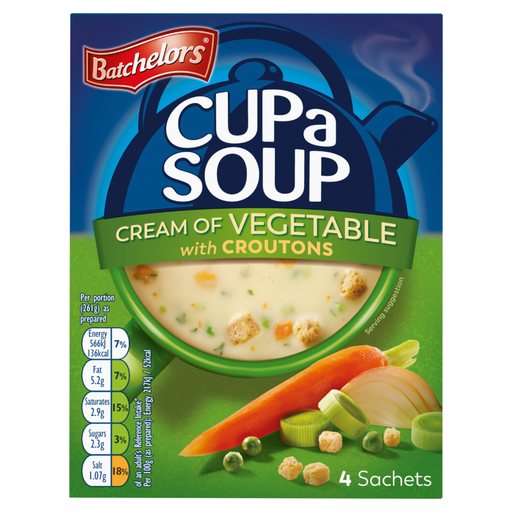
Why This Fits Their Persona: For a quick, warming lunch at the office or a simple snack between meetings, this instant soup is a reliable choice. It requires minimal effort—just a kettle and a mug—making it perfect for a busy schedule.
This product avoids the convenience trap. It is exactly what it claims to be: an instant soup mix that is ready in minutes with just boiling water. No hidden steps or extra ingredients needed.
Portion-controlled sachets ensure consistency and reduce waste. The included croutons add texture, making it more satisfying than a simple broth.
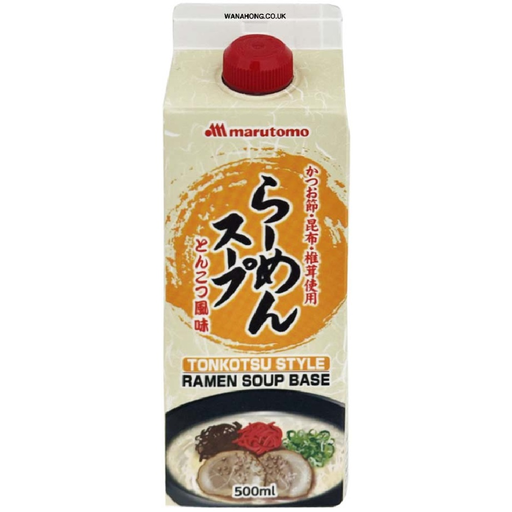
Why This Fits Their Persona: For those who love exploring Asian soups and want to recreate an authentic Japanese ramen experience at home, this soup base is an excellent starting point. It provides the deep, savoury flavour that is difficult to achieve from scratch.
This product avoids the "authentic flavour" gamble by being a dedicated soup base with a rich blend of dashi and seasonings, delivering a creamy, umami-rich profile expected of tonkotsu-style ramen.
It is a ready-to-use liquid base, saving hours of simmering time. It offers a reliable foundation for customisation with noodles, meats and toppings.
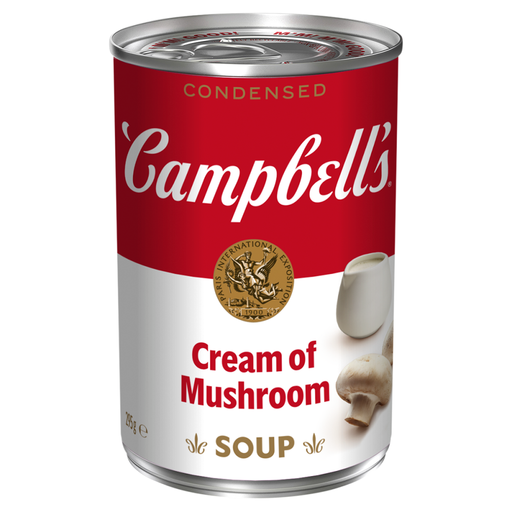
Why This Fits Their Persona: A true pantry hero for family cooks. This condensed soup is not just for eating with a spoon; it's a versatile ingredient for creating creamy sauces for pasta, chicken bakes and casseroles, helping to pull a family meal together quickly.
Its identity as a condensed soup is clear, managing expectations that it needs dilution. Its value lies in its versatility, making it a cost-effective cooking shortcut rather than just a single-use soup.
It's a multi-purpose ingredient that saves time on making sauces from scratch. The concentrated format means it takes up less space in the cupboard.
We have compiled a complete, real-time list of products that fully satisfy these strict selection criteria and UK safety regulations.
While often used interchangeably, there are subtle differences.
A few simple additions can elevate a standard tinned soup. Try adding a swirl of cream or plain yoghurt for richness, a sprinkle of fresh herbs like parsley or chives for freshness or a dash of hot sauce for a bit of a kick. Sautéing some onions and garlic before adding the soup can also build a deeper flavour base.
Instant soups can be a very convenient option. However, it's wise to check the nutritional labels, as some can be high in salt. They are great for occasional, quick meals, but for a daily lunch, it's a good idea to alternate them with other options or look for lower-salt versions. Pairing an instant soup with a piece of fruit or a wholemeal bread roll can also help create a more balanced meal.