
24/7 Customer Support

Free returns

Same-day & Next-day Delivery

Quality Guaranteed

Unlock Your Welcome Offers: FREE Delivery | Up to 80% OFF | Free 30-day JoyPlus trial
Download the APP
Soup is a practical cupboard staple for quick lunches, light dinners, warming snacks and easy side dishes. However, choosing the right soup is not simply a matter of picking the most appealing flavour on the label. Serving size, salt content, allergens, preparation time and storage requirements can all affect whether a product suits your household.
This guide explains the main buying pitfalls and compares suitable options for different UK shopping needs, from tinned soup and Cup a Soup sachets to organic vegetable soup and Japanese miso soup.
A 400g soup can may serve two people, depending on the product. A serving can therefore be smaller than expected if you want a complete lunch. Check the stated serving size and look at the protein, vegetable and carbohydrate content before deciding whether you will need bread, rice or another side dish.
For example, Heinz Big Soup Beef & Vegetable 400g lists 10% beef, 17% potatoes and 22% vegetables. That makes it a more substantial option than a simple broth, but the can still states that it serves two.
Soup can contain a considerable amount of salt, particularly instant soup and miso soup sachets. Marukome Instant Miso Soup Ryoutei No Aji Fried Tofu Flavour lists 650mg sodium per serving, while Heinz Chicken Cup Soup lists 1.2g salt per cup. These figures are not necessarily a reason to avoid a product, but they are important when comparing several servings across a day.
Always compare the nutrition panel per serving, not just per 100g, as prepared products and dry sachets can use different reference points.
Chicken, mushroom and vegetable soups can contain milk, wheat, celery, barley, eggs, soya or fish-based stock. Japanese soup may contain soya and bonito, even when the flavour appears mild. Read the current packaging before purchase, particularly if you are buying for children, guests or someone with an allergy or dietary restriction.
Choose the format that matches your routine:
For example, Marukome’s eight-serving miso soup packs are suitable for keeping several portions in the cupboard, while a 400g can may be more appropriate when you want a familiar meal with bread.
For vegetarian soup, check whether the stock contains meat, fish or animal-derived flavourings. Some Japanese miso products use bonito or fish extracts, while vegetarian versions may use kelp, onion or shiitake extracts instead.
If you prefer organic soup, Karine & Jeff Organic Provençal Soup 500ml uses organic peppers, tomatoes, courgettes, carrots, onions and herbs. Karine & Jeff Organic French Pesto Soup 680g includes white beans, vegetables, basil and olive oil. Both products still advise checking for possible traces of wheat, soya, celery, sesame, milk or nuts where applicable.
Look for the following practical details:
Once opened, many tinned soups should be transferred to a covered container, refrigerated and eaten within two days. Dry soup sachets should be kept sealed in a cool, dry place. Always follow the instructions printed on the product packaging.
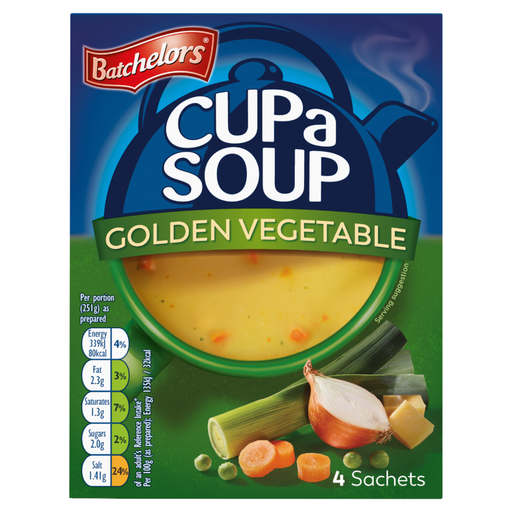
Why This Fits Their Persona: Four sachets provide an accessible way to keep individual portions at home, in a desk drawer or in a student kitchen. The prepared serving is listed at 80 calories.
The four-portion format makes the number of servings clear, helping avoid assuming that a small sachet replaces a full meal.
Vegetarian suitability is stated; each pack contains four sachets and requires only hot water.
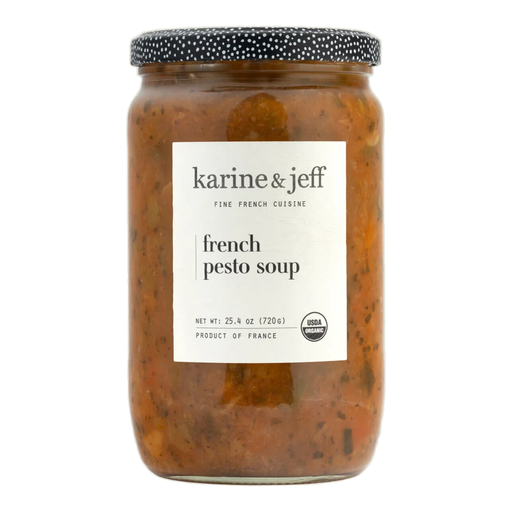
Why This Fits Their Persona: This larger ambient soup suits shoppers looking for an organic vegetable recipe with beans, herbs, basil and olive oil for a more distinctive meal.
The ingredient list identifies the vegetables, white beans and herbs, so shoppers can assess the recipe rather than rely on broad “healthy” wording.
680g format; listed at 3.3g fibre and 2.7g protein per 100g.
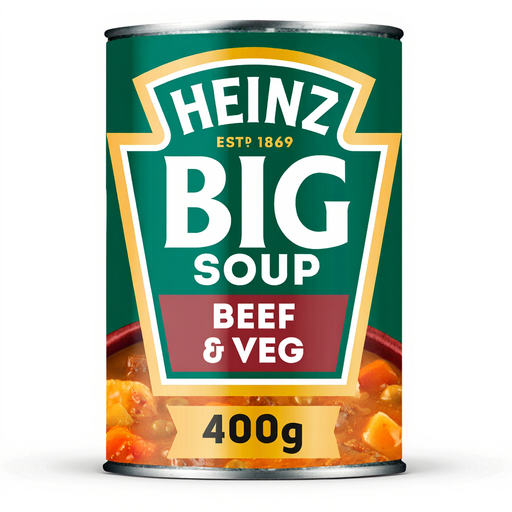
Why This Fits Their Persona: A practical choice for shoppers wanting a hearty beef soup with potatoes and vegetables for a quick lunch or evening meal.
The can specifies its 400g net quantity, two-serving guidance and ingredient percentages, making portion planning clearer.
Contains 10% beef and 22% vegetables; suitable for hob or microwave preparation.
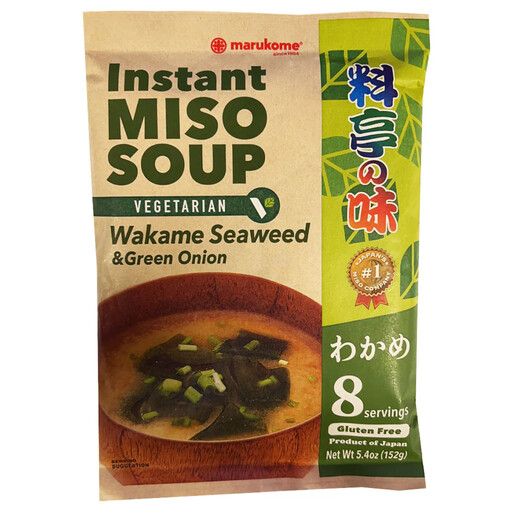
Why This Fits Their Persona: This eight-serving Japanese soup pack is designed for quick side dishes, light lunches or a warm drink at home or at work.
The listing identifies it as vegetarian and specifies kelp-based seasoning; still check the pack for soya and possible trace allergens.
Eight servings; includes wakame seaweed, fried tofu and spring onion garnish.
We have compiled a complete, real-time list of products that fully satisfy these strict selection criteria and UK safety regulations.
It depends on the pack size, serving count and preparation format. A multi-serving pack of soup sachets can reduce waste when you want one cup at a time, while a 400g tin may offer better value when serving two people. Compare the price per 100g or per serving rather than the shelf price alone.
Many products advise transferring unused soup to a covered container, refrigerating it and eating it within two days. Do not store opened soup in the can unless the packaging specifically permits it. Follow the storage instructions on the individual label.
Some miso soup is vegetarian, but not all. Products containing bonito, fish stock or fish extract are not suitable for vegetarians. Look for a clear vegetarian statement and check the full ingredient list, particularly for soya, wheat and other allergens.