
24/7 Customer Support

Free returns

Same-day & Next-day Delivery

Quality Guaranteed

Unlock Your Welcome Offers: FREE Delivery | Up to 80% OFF | Free 30-day JoyPlus trial
Download the APP
A warm bowl of soup can be a quick lunch, a cupboard standby or the foundation of a more substantial dinner. However, the label on the front of a packet or tin does not always tell you whether it suits your portion size, dietary needs or cooking plans.
UK shoppers comparing instant soup, tinned soup, miso soup and Asian soup should look beyond flavour descriptions. A few practical checks can help prevent wasted purchases, unsuitable ingredients and products that do not match the intended use.
A small sachet may be convenient, but it may produce a light cup rather than a filling bowl. Check the prepared serving size, not just the dry weight. For example, a 17g cup soup sachet and a 400g tin of soup are designed for different occasions.
Instant noodles and soup packets can also vary significantly. A 70g pho soup packet may include noodles and seasoning, while a concentrated ramen soup base or soup stock is intended to be diluted or added to other ingredients.
“Vegetable soup” does not necessarily mean vegan, dairy-free or gluten-free. Ingredients such as milk powder, butter, wheat flour, barley or fish extracts may be present. Miso soup commonly contains soya, while Japanese soup products may also include bonito or other fish ingredients.
Always read the full ingredients list and allergen information. This is particularly important for vegetarian, vegan, gluten-free and allergy-conscious households.
Soup stock, hot pot soup base and concentrated seasoning products can contain considerable salt because they are designed to flavour a larger volume of food. Compare the salt per prepared serving and follow the suggested dilution.
Storage is another frequent source of waste. Ambient tins and sachets are convenient, but frozen products such as prawn wonton laksa soup and Tom Yum soup require freezer storage at -18°C. Once opened, some products should be refrigerated and consumed within two days, while others should be used immediately.
Choose the format according to how you expect to eat it:
Use the per serving figures when comparing products, while remembering that serving sizes differ. Heinz Scotch Broth Soup is supplied in a 400g tin and lists values for half a tin, whereas Mug Shot Tomato & Herb states that one 64g sachet makes approximately 264g when prepared.
Salt deserves particular attention. Marukome Instant Miso Soup Ryoutei No Aji Fried Tofu Flavour lists 650mg sodium per serving, and Heinz Chicken Cup Soup lists 1.2g salt per prepared cup. These figures do not make a product unsuitable, but they are useful when planning how often to serve it.
Look for clearly stated ingredients and allergen advice. Examples from this selection include:
Packaging can change, so check the product label at the point of purchase, especially if managing an allergy.
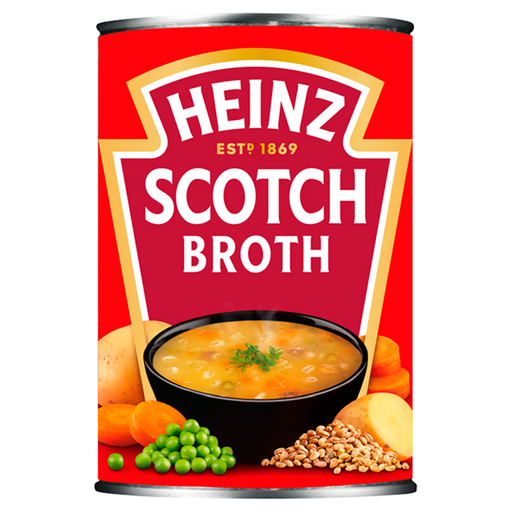
Why This Fits Their Persona: A familiar British-style tinned soup for cupboard storage, simple lunches and straightforward hob or microwave preparation.
The 400g format makes the intended quantity clear, and the label specifies two preparation methods rather than requiring additional ingredients.
Contains pearl barley, mutton and 16% vegetables; made in the United Kingdom. Contains gluten.
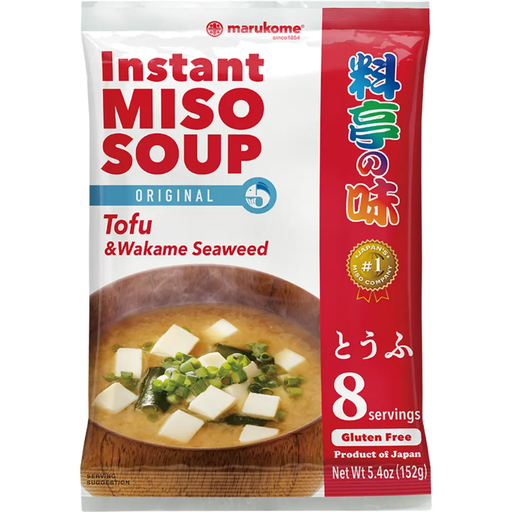
Why This Fits Their Persona: A multi-serving Japanese soup option for shoppers who want pantry convenience with tofu, wakame seaweed and green onion garnish.
Eight servings help avoid repeatedly buying single cups, while the separate garnish packet gives a clearer texture comparison than plain miso powder alone.
Product of Japan; listed as gluten-free. Contains soya beans and fish, including bonito.
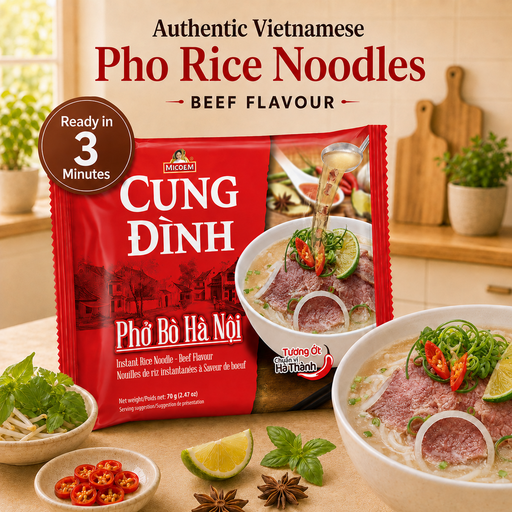
Why This Fits Their Persona: A single Vietnamese noodle soup packet for a quick working-day lunch or an Asian grocery cupboard top-up.
The product is explicitly a broth-style rice noodle soup, helping distinguish it from dry stir-fried noodle packets.
Ready in approximately 3–5 minutes; can be customised with cooked beef, herbs, lime or chilli. Check the broad allergen warning before purchase.

Why This Fits Their Persona: Designed for shoppers who make beef pies, stews, sauces or homemade beef soup rather than simply opening a ready-made tin.
The pack explains that one stock pot can be added directly to dishes or dissolved into 500ml of boiling water, clarifying its role as a cooking base.
Four-pot pack; listed as gluten-free and suitable for multiple beef recipes. Contains milk and has 1g salt per prepared serving.
We have compiled a complete, real-time list of products that fully satisfy these strict selection criteria and UK safety regulations.
For a vegetarian soup, compare the label rather than relying on the name. Baxters Vegetarian Country Garden Soup contains a 38% vegetable mix and cooked rice, but also contains milk. Batchelors Cup a Soup Golden Vegetable is supplied as an instant sachet and states 80 calories per prepared serving, with barley and milk listed as allergens.
For international meals, frozen options such as king prawn wonton laksa soup and Tom Yum soup offer noodles, wontons, prawns and prepared broth in one product. They are less suitable for a small ambient cupboard but may be useful when you want a more substantial meal without assembling every component.
For Japanese cooking, DAISHO Japanese Hot Pot Soup Base Ippudo Tonkotsu Style and Marutomo Tonkotsu Style Ramen Soup can help create ramen or hot pot dishes at home. Check dilution instructions, pack size and allergens before adding noodles, vegetables or protein.
Compare the cost per prepared serving, not only the pack price. Multi-serving instant soup, stock pots and larger tinned formats may reduce repeat purchases, while single packets are useful when you need variety or limited storage. Include extras such as bread, noodles or toppings in your meal budget.
Follow the product label. Heinz Scotch Broth and Heinz Cream of Mushroom advise transferring unused soup to a suitable container, refrigerating it and consuming it within two days. Do not store opened soup in the tin unless the packaging specifically permits it.
Yes, depending on the product. A ready-to-eat vegetable, chicken or beef soup can be served with bread or added vegetables. A soup stock, ramen soup base or hot pot base is specifically intended to be combined with ingredients such as noodles, tofu, meat or seafood. Read the preparation instructions so you use the correct quantity of water and heat the finished dish thoroughly.