
24/7 Customer Support

Free returns

Same-day & Next-day Delivery

Quality Guaranteed

Unlock Your Welcome Offers: FREE Delivery | Up to 80% OFF | Free 30-day JoyPlus trial
Download the APP
Soup is a practical cupboard staple for UK households, whether you need a convenient lunch between meetings, a warming family meal or a quick side dish. However, attractive packaging can make products look more filling, healthier or more suitable than they really are.
The most useful approach is to compare the label, serving format and preparation instructions rather than relying on front-of-pack wording. This guide explains the key details to check before buying soup, then matches several options to different shopping needs.
A 400g tin may state that it serves two, but appetite and meal plans vary. A classic soup with a lighter texture may work well with bread, while a chunky beef or vegetable recipe may be more suitable as a standalone lunch. Always check the servings per pack, energy per serving and the quantity of meat, vegetables or grains listed in the ingredients.
Low-fat soup can still contain a considerable amount of salt. Conversely, a creamy recipe may offer a richer texture but include milk, butter or cream. Compare the salt, protein, fibre and energy values per serving, not just one highlighted claim.
For example, Heinz Scotch Broth Soup lists 1.2g of salt per half tin, while Heinz Chicken Cup Soup lists 1.2g per prepared cup. These products have different formats and serving sizes, so comparing like for like is important.
Soup mixes, tinned soup and ready meals may contain wheat, barley, milk, soya, celery, mustard or shellfish. Ingredients highlighted on the label should be checked every time, particularly if buying for someone with an allergy.
Baby food pouches require an additional check: the stated age range and texture are not interchangeable. A pouch marked 7+ months is intended for a different developmental stage from one marked 10+ months. Follow the packaging directions and never microwave a pouch unless the instructions specifically allow it.
Choose the format that matches your routine:
The ingredients list is ordered by weight, so the first few ingredients reveal the recipe’s structure. Quantitative ingredient declarations can add useful context. Heinz Scotch Broth Soup contains 8% pearl barley, 4% mutton and 16% vegetables. Heinz Big Soup Beef & Vegetable lists 17% potatoes, 10% beef and 22% vegetables.
For vegetarian soup, check whether the recipe uses meat-free stock or contains hidden animal-derived ingredients. The Marukome vegetarian miso soup options specify a base using kelp and mushroom extracts rather than meat or fish dashi. Still, check the latest packaging for allergens, as formulations can change.
Look at per 100g values for comparing products and per serving values for planning a meal. Also check:
Grace Cock Soup Mix is a seasoning base intended to be simmered with chicken and vegetables, rather than eaten as a ready-prepared soup. Its listed salt content is very high per 100g, so use it according to the preparation instructions and avoid treating the dry mix as a single serving.
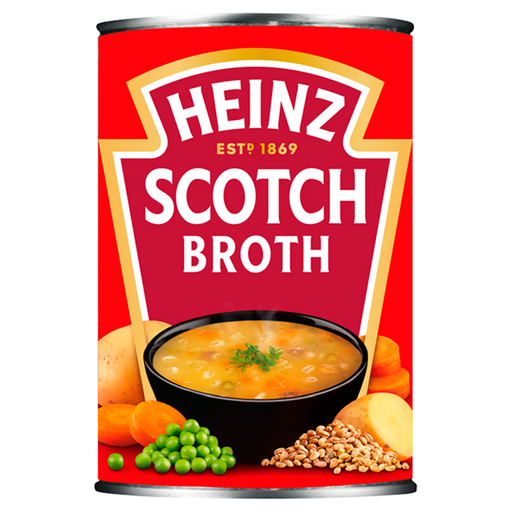
Why This Fits Their Persona: A familiar tinned soup format for cupboard planning, quick lunches and serving with a crusty roll.
The label gives declared quantities for pearl barley, mutton and vegetables, making the recipe easier to assess than relying on broad front-of-pack wording.
400g tin; 16% total vegetables; suitable for hob or microwave heating. Contains gluten from barley and wheat.
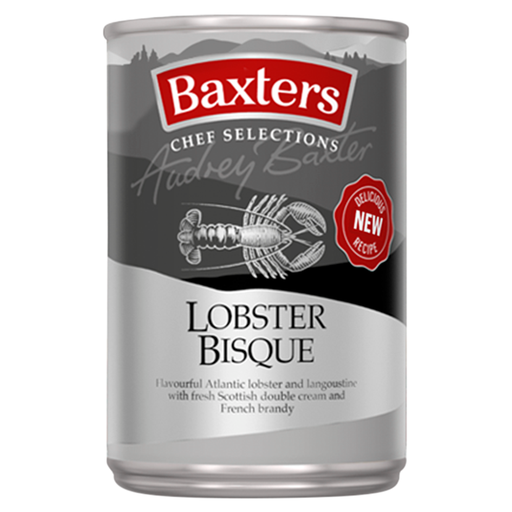
Why This Fits Their Persona: A creamy shellfish option for a more occasion-focused lunch, starter or relaxed evening meal.
The ingredient list clearly identifies lobster, langoustines, double cream, wine and brandy, helping shoppers understand the flavour and allergen profile.
Smooth bisque with 5% lobster and 3.5% langoustines; serves one. Contains crustaceans, milk, sulphites and celery.
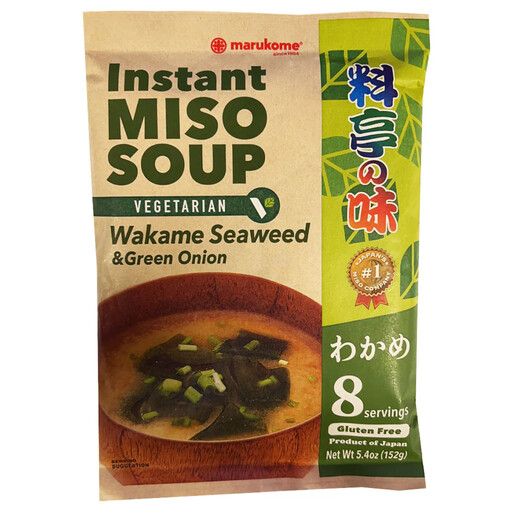
Why This Fits Their Persona: A useful desk-drawer or pantry option for vegetarians wanting a hot cup soup in minutes.
The product description identifies it as vegetarian and lists kelp and shiitake-based flavouring. The soya allergen and possible traces of gluten still require checking.
Instant preparation with hot water; includes wakame seaweed, tofu and spring onion garnish. Pack information states eight servings.
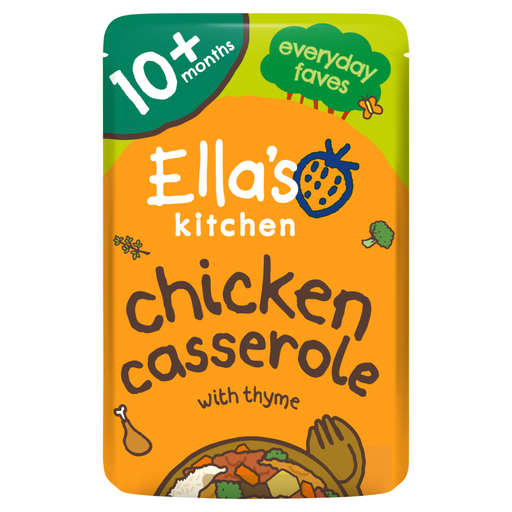
Why This Fits Their Persona: A portioned organic baby food pouch for toddlers aged 10 months and over who are moving towards more textured meals.
The age guidance and texture are clearly stated. It should be squeezed into a bowl or onto a spoon; the pouch must not be put in a microwave.
190g portion; organic chicken, rice and vegetables; unused contents can be refrigerated for up to 24 hours after opening.
We have compiled a complete, real-time list of products that fully satisfy these strict selection criteria and UK safety regulations.
It depends on the pack size, serving count and what you add. Tinned soup can be economical when paired with bread, rice or a sandwich, while frozen Chinese meals and ready meals may provide a more substantial main course. Compare price per 100g and serving size rather than the shelf price alone.
Many products in this selection advise transferring unused soup to a covered, non-metallic container, refrigerating it and consuming it within two days. Always follow the individual label, as storage directions can differ.
Instant soup or cup soup is convenient, but some servings are relatively light. Check the prepared nutrition panel and consider adding bread, fruit or another suitable side if you need a more filling convenient lunch. For larger appetites, chunky beef soup, vegetable soup or a ready meal may be a more practical choice.