Shopping for one
A cupboard tin can be a straightforward first-shop choice if you can heat it and have a plan for any soup left after opening. Check the stated servings rather than treating the can’s weight as a portion size.


For a first food shop for one, choose a ready-to-heat tin if you have a hob or microwave and can use or refrigerate any remainder as its label directs. A cup soup suits kettle-only preparation, while condensed soup makes more sense if you also want an ingredient for cooking; check the exact pack for servings, allergens and preparation instructions.
A cupboard tin can be a straightforward first-shop choice if you can heat it and have a plan for any soup left after opening. Check the stated servings rather than treating the can’s weight as a portion size.
A cup soup prepared with boiling water may fit a kitchen without a hob or microwave. Check what the packet asks you to add and how many portions it contains.
Compare the exact recipes on their current labels. Tomato and vegetable soups can contain ingredients such as milk, celery or gluten-containing cereals, and nutrition figures may use different serving or preparation bases.
Choose a preparation format that works in your kitchen, then check portions, storage and the exact recipe.
Choose when: You have the heating equipment specified on the pack and want soup that does not require mixing from a sachet.
Bear in mind: A 400g tin is not necessarily one serving, so an opened remainder may need refrigeration.
Choose when: You can boil water but have limited cooking equipment; M&S instructs shoppers to add boiling water to its Tomato Soup in a Cup sachet.
Bear in mind: Sachet ingredients and pack quantities vary, so check the exact packet.
Choose when: You also want soup to use in cooking; Campbell's describes its Condensed Cream of Tomato Soup as a cooking ingredient.
Bear in mind: Check its preparation directions and compare nutrition on the same prepared or unprepared basis.
| Priority | What to check | Your needs |
|---|---|---|
| Preparation | Read the heating or mixing directions. Check whether they call for a hob, microwave, boiling water or other ingredients. | If I only have a kettle, I need a soup I can prepare with boiling water. |
| Portions and leftovers | Check the servings per tin or packet and the instructions for storing it after opening. M&S directs shoppers to refrigerate its opened 400g Cream of Tomato Soup in an airtight container and eat it within two days; other products may differ. | I want to know whether I can finish the soup or store the remainder as directed. |
| Ingredients and allergens | Read the current ingredients and allergen statement for the exact recipe. Campbell's lists cow's milk and celery in its Condensed Cream of Tomato Soup. | A familiar flavour name is not enough for me to judge whether a particular recipe meets my dietary requirements. |
| Nutrition | Compare figures per 100g and, where given, per serving. Check whether condensed soup figures refer to the prepared product; Campbell's labels its condensed tomato soup values “as consumed”. | I want comparisons to reflect the amount and preparation method I would actually use. |
| Cupboard storage | Read the unopened storage directions and date label, then check the separate instructions that apply once the product is opened. GOV.UK distinguishes best-before dates, which concern quality, from use-by dates, which concern safety. | For a first shop, I need to know what can stay unopened in the cupboard and what needs attention after opening. |
Recipes differ. Campbell's lists milk and celery in its Condensed Cream of Tomato Soup, while M&S lists milk ingredients in its Cream of Tomato Soup.
Read the current ingredients and allergen statement for the particular product, as well as its nutrition label if you are comparing recipes.
The instructions for an opened product can affect whether a tin is practical for one person. M&S says to refrigerate its opened 400g Cream of Tomato Soup in an airtight container and eat it within two days.
Check the servings and the exact tin’s storage directions before deciding whether you can use the remainder.
Filters do not replace the ingredients and allergen information for an exact product. Sainsbury's advises shoppers to check the label.
If an ingredient matters to you, check the current pack rather than relying on a category or dietary filter alone.
These examples show different recipes and formats to look for; check the current product label when choosing a particular soup.
Tesco lists own-label 400g Cream of Tomato and Low Fat Tomato soups.
Tesco lists Heinz Cream of Tomato Soup in a 400g tin.
Campbell's Condensed Cream of Tomato Soup is a 295g condensed option that the brand also describes as suitable for cooking.
Sainsbury's tinned-soup category includes own-label and branded listings.
M&S lists both a 400g Cream of Tomato Soup and a separate Tomato Soup in a Cup.
These options include tinned soups for kitchens with heating equipment and cup soups for boiling-water preparation. Compare each product’s serving information, ingredients and instructions against your own setup.
 No image available
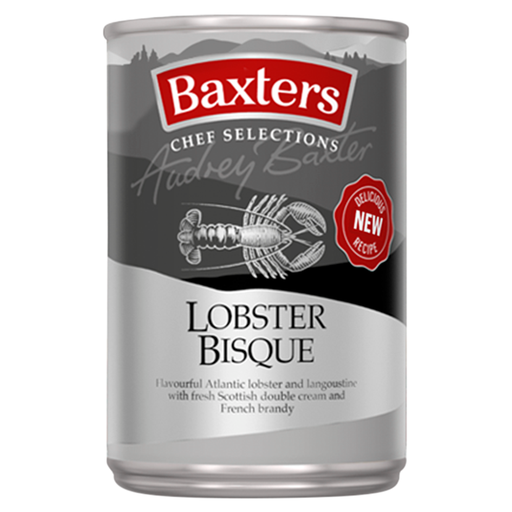
For a one-person cupboard meal, check the can’s serving and hob-heating directions. Check the current pack for crustaceans, milk, sulphites and celery, and follow its instructions for any opened remainder.
 No image available
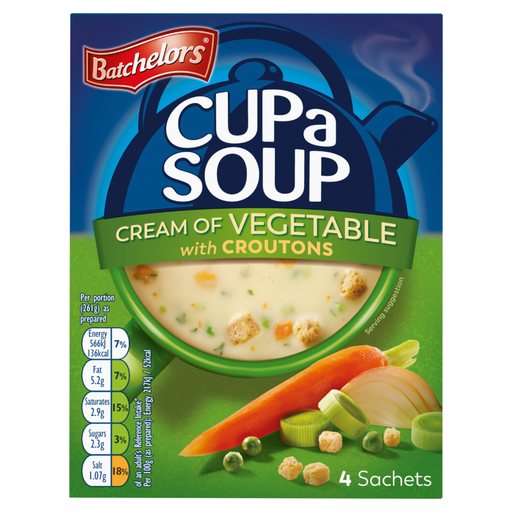
A cup-soup option to consider for a kettle-only kitchen; check the packet’s boiling-water directions and portions. The product information lists wheat, milk and barley, and says it may contain celery and soya, so read the current pack if these matter to you.
 No image available
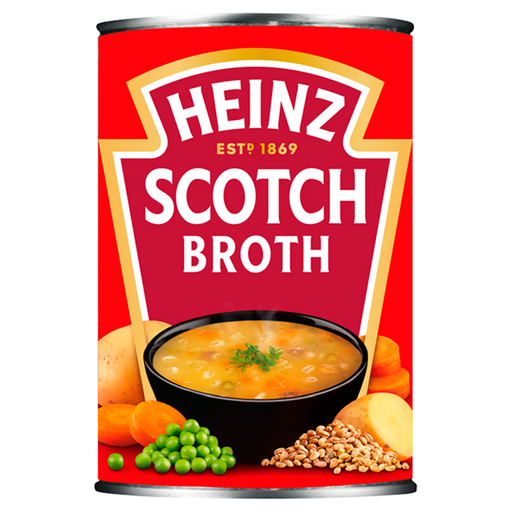
If you plan to eat part of a tin, check the stated serving basis and instructions for storing the remainder. Confirm the heating directions for your kitchen and check the current pack for barley and wheat.
 No image available
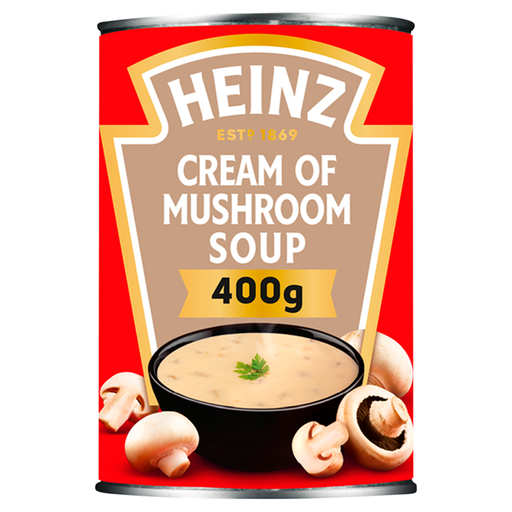
For one person, check the number of servings and whether you can refrigerate any remainder as the tin directs. Read the current ingredients for milk and wheat, and confirm that its heating instructions suit your equipment.
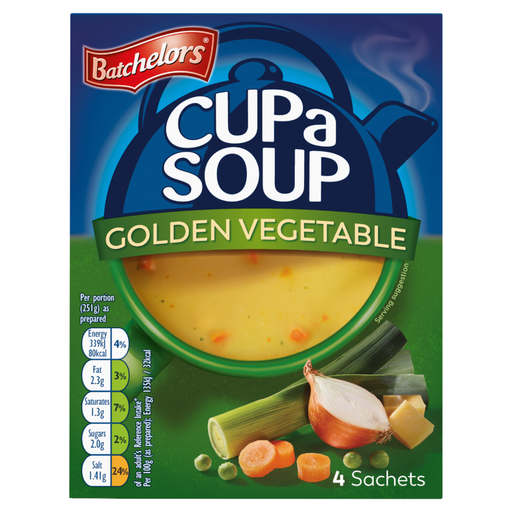 No image available
A cup-soup format to consider when you have boiling water but no hob. Check the packet for its preparation directions and number of portions; its product information lists barley and milk and says it may contain celery and soya.
No. Check the serving information on the exact tin, then decide whether you will finish it or can store the remainder according to its label.
GOV.UK explains that a best-before date concerns quality, unlike a use-by date, which concerns safety. Food past its best-before date is usually safe but may not be at its best quality; follow its storage instructions and check the product before using it.
Follow that product’s label. For example, M&S says to put its opened 400g Cream of Tomato Soup in an airtight container, refrigerate it and eat it within two days; do not assume the same period applies to another soup.
Compare the salt figures per 100g on both labels, then check the per-serving figures against the amount you expect to eat. For a condensed soup, also check whether its figures refer to the product after preparation.
No. Campbell's lists cow's milk and celery in its Condensed Cream of Tomato Soup, while M&S lists milk ingredients in its Cream of Tomato Soup. Read the current ingredients and allergen statement for each exact product.