Chunky lentil-soup regulars
If you want pieces of vegetables and lentils rather than a purée, look for a chunky programme and a recipe suited to the appliance. Morphy Richards’ published lentil recipe also calls for a tenderness check after cooking.


Start with a dedicated chunky programme, then choose a working capacity that suits the portions you will actually make and the space available to store the appliance. A compact 1L model suits smaller batches; a larger jug makes more sense if you regularly share soup, while sauté and extra texture controls are worth considering only if you will use them. Whichever model you choose, follow its fill guidance and check that the lentils are tender at the end of the cycle.
If you want pieces of vegetables and lentils rather than a purée, look for a chunky programme and a recipe suited to the appliance. Morphy Richards’ published lentil recipe also calls for a tenderness check after cooking.
If cupboard and worktop space are limited and you usually make a small batch, compare working capacity and dimensions before choosing extra functions. Morphy Richards and Lakeland both describe 1L compact soup makers.
If several people will eat from one batch, a larger jug may be useful. A sauté function is also worth considering if you want to soften onions or other aromatics in the cooking jug before adding the soup ingredients.
For chunky lentil soup in a shared kitchen, decide how much soup you need per batch before trading cupboard space for a larger jug or extra functions.
| Concern | Buying checks | Who this matters to |
|---|---|---|
| Chunky texture and tender lentils | Look for a dedicated chunky programme and check the model’s lentil recipes and fill guidance. | If I want a hearty soup, I need the lentils cooked through without blending everything smooth. Around 31% of consumers put texture and lentil doneness first. |
| Cleaning and kitchen handover | Check the cleaning instructions, including what a cleaning programme does and which parts still need washing. | When other people need the kitchen after me, I want to clean and put away the jug promptly. Around 25% of consumers make cleanup their primary concern. |
| Small batches and storage | Compare working capacity with your usual portion size, then measure the intended cupboard or worktop space. | If I usually cook for one or two, I do not want a jug that is awkward to store between uses. For around 25% of consumers, batch size and footprint come first. |
| Shared batches and sautéing | Check the hot-soup fill limit and whether the model has an in-jug sauté function. | If several of us will share the soup, I want room for the batch and may want to soften aromatics in the same jug. Around 19% of consumers prioritise batch and flavour-building flexibility. |
A chunky setting does not establish that every lentil and piece of vegetable will be tender when the cycle ends. Morphy Richards’ lentil recipe specifically calls for a tenderness check.
Use a recipe suited to your soup maker, cut dense vegetables evenly, stay within the fill marks and check the lentils before serving.
SharkNinja states a 1.7L cold-blend capacity but a 1.4L hot-blend capacity for the Ninja HB150UK. The larger figure should not be used to plan soup portions.
Compare models using their stated hot-soup limits and follow each jug’s minimum and maximum fill guidance.
A cleaning cycle can be useful after cooking, but it does not replace the model’s instructions for washing the jug, lid and other parts.
Check those steps before buying, and agree where the appliance can cool and dry without obstructing other kitchen users.
Food Standards Agency guidance for caterers advises reheating food thoroughly through the centre and reheating it only once.
Where practical, divide leftovers into portions before chilling, then reheat only the portion you plan to eat until it is thoroughly hot throughout.
The Morphy Richards range described here includes a Compact 1L model and larger 1.6L models with chunky programmes.
Tefal Easy Soup BL841140 is a 1.2L automatic model with smooth and chunky settings and an easy-cleaning programme.
Ninja HB150UK combines soup-making with hot and cold blending programmes, including chunky soup and sauté settings.
Lakeland’s Compact Soup Maker is a 1L jug-style model with chunky and smooth settings.
These soup makers are relevant to smaller and larger batch plans for a shared kitchen. Check each model’s chunky programme, hot-fill limit, lentil guidance and storage fit before deciding.
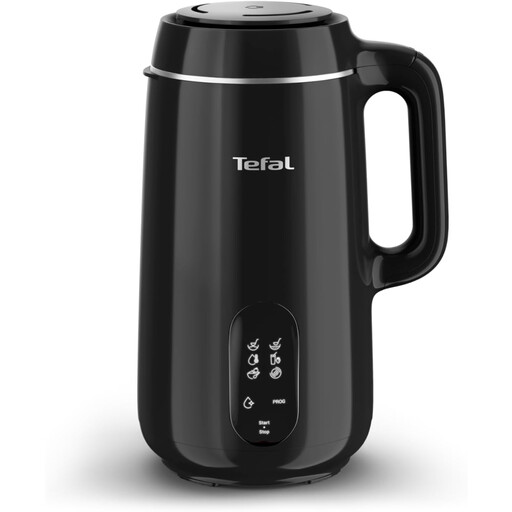 No image available
Consider this model if you usually make smaller batches and want to check its chunky-soup and cleaning options. Its product name specifies six programmes and six blades; confirm the hot-soup fill limit, storage dimensions and lentil instructions for this variant before buying.
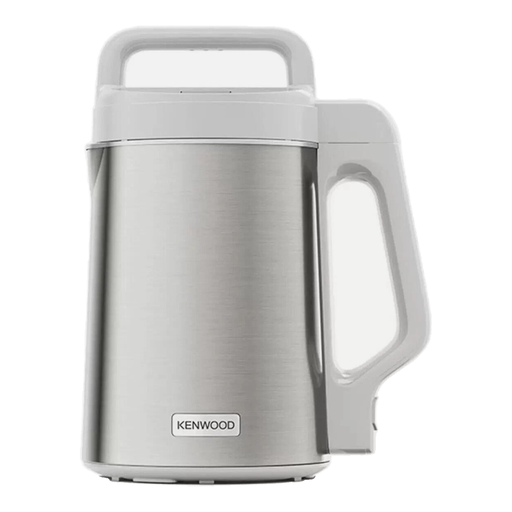 No image available
The stated 1.5L capacity makes this a model to consider if you plan to share batches rather than cook one portion at a time. Check the hot-soup fill limit, chunky-cycle and cleaning instructions, lentil guidance and appliance dimensions against your kitchen routine.
Not necessarily: the result depends on the recipe, ingredient preparation and the model’s programme. Morphy Richards’ chunky lentil recipe instructs cooks to check tenderness after the cycle, and its ingredient guidance suggests cutting root vegetables into even pieces of around 1–2 cm.
No; use the appliance’s minimum and maximum fill marks rather than the rim of the jug. Morphy Richards’ lentil recipe says not to exceed the maximum fill line, so check both the recipe quantity and your chosen model’s hot-soup limit.
Yes, provided you handle storage and reheating safely. Food Standards Agency guidance for caterers advises heating food thoroughly through the centre and reheating it only once; portioning leftovers before chilling can help you reheat just what you intend to eat.