Weekday lunch batch cooks
If you prepare several work or school lunches together, compare the usable batch size with your containers and consider how you will clean the jug after each batch.


A compact 1–1.2L dedicated soup maker suits a few packed-lunch portions; consider a larger jug if you regularly prepare several lunches at once, but check its hot-fill guidance before planning the batch. A multifunction heated blender is worth considering if you will use its other cooking functions too, while allowing for its storage and cleaning demands. Cooling and refrigerating the finished soup is a separate part of lunch preparation.
If you prepare several work or school lunches together, compare the usable batch size with your containers and consider how you will clean the jug after each batch.
If you usually make one to three portions, a compact maker with automatic soup programmes may suit your routine without taking up space for capacity you rarely use.
If lunch soup is only one planned use, compare appliances that also offer the particular sauce, cold-drink or cooking functions you expect to use.
For consumers preparing packed-lunch soup, start with the portions needed per batch, then weigh up cooking effort, other recipes and storage space.
| Concern | Buying check | Who it matters to |
|---|---|---|
| Batch capacity | Compare your lunch-container volumes with the stated portion yield and the exact model’s maximum hot-fill guidance. | If I prepare several lunches together, I need a batch that does not require another cooking cycle. Around 36% of consumers would make batch capacity their primary concern. |
| Cooking and cleanup | Check for the soup textures you make and a cleaning programme; follow the instructions for parts that still need washing. | On a busy weekday, I want to spend less active time operating and cleaning the maker. Roughly 29% of consumers would put that convenience first. |
| Other recipes | Compare the exact programme list and included accessories with the non-soup recipes you intend to make. | If the appliance will also make sauces or cold drinks, those functions matter more to me than soup settings alone. About 21% of consumers would prioritise wider recipe use. |
| Storage space | Measure cupboard and worktop space, allowing room to remove the lid, and compare the exact model’s dimensions. | When I make only a few portions, I do not want a jug that is awkward to store between batches. Around 14% of consumers would put a compact fit first. |
Nominal jug capacity does not tell you how many of your usual lunch portions fit below the hot-fill limit.
Measure a typical portion in your lunch container, then check the model’s stated yield and manual before planning a batch.
A steam basket and additional hot or cold programmes are useful only if they fit your recipes; accessories and a larger jug also need space and cleaning.
List the recipes you expect to make besides soup before choosing a multifunction heated blender.
A cleaning programme does not replace the manufacturer’s instructions for the lid, blades and electrical parts.
Check which parts are removable and how the blade area must be cleaned.
Making soup in advance still requires a cooling and refrigeration routine. A Food Standards Agency literature review notes the recommendation to refrigerate leftovers within two hours.
Allow time to cool and refrigerate the soup in suitable containers before packing a later lunch.
Its dedicated soup-maker range includes compact, larger-batch and sauté-capable models.
Tefal offers the 1.2L Easy Soup dedicated maker and the 1.75L PerfectMix Cook heated blender.
Ninja describes its Foodi Blender & Soup Maker HB150UK as a heated blender for hot and cold recipes.
These choices include a multifunction heated blender and two dedicated soup makers. Compare their listed capacity or functions with your lunch portions, then consult the exact model’s hot-fill and cleaning instructions.
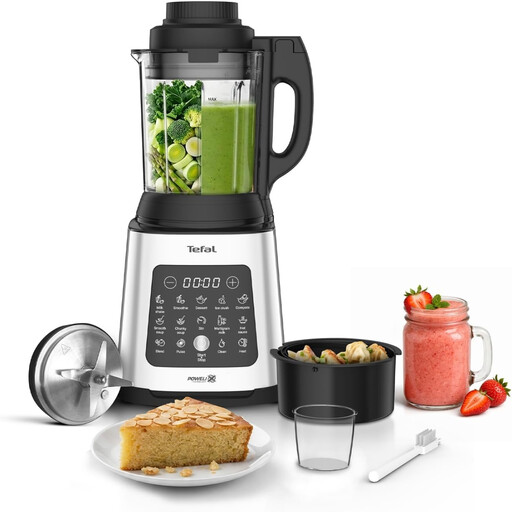 No image available
Consider this model if you plan to make packed-lunch soup and use a steam basket for other recipes.
The product name lists 10 programmes. Check the hot-recipe fill guidance and which programmes match your cooking plans.
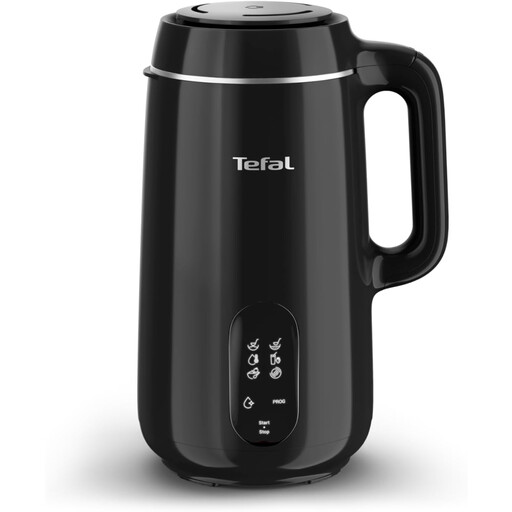 No image available
This dedicated maker is worth comparing if you want programme-led preparation for a few lunch portions.
The product name lists six programmes and six blades. Check the exact hot-recipe fill limit against your container sizes.
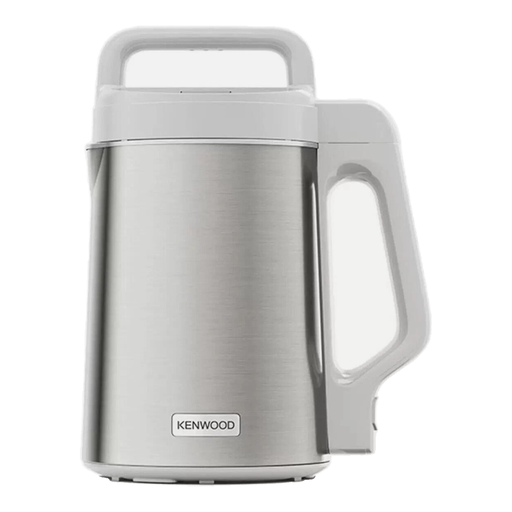 No image available
Consider its stated 1.5L capacity if you usually prepare several lunch portions together.
Check the manual’s usable hot-fill limit before deciding how many of your usual portions will fit in one batch.
Choose a capacity that fits the portions you normally prepare, rather than an occasional larger batch. Morphy Richards says its 1L Compact model makes approximately three portions, while Tefal describes its 1.2L Easy Soup as making up to four servings; compare those claims with your container sizes and the exact model’s maximum-fill guidance.
You need one only if you regularly want to cook ingredients such as onions or garlic in the jug before making soup. Morphy Richards says its 501014 model can do this; a standard automatic maker may suit recipes that do not call for that step.
Keep it attended while it is running and follow its manual for hot-jug handling, fill levels and blade cleaning. Electrical Safety First advises against leaving kitchen appliances unattended in use; keep electrical parts away from water and unplug the maker before cleaning it.
Plan to cool and refrigerate it rather than leaving the cooked batch in the maker. A Food Standards Agency literature review notes the recommendation to refrigerate leftovers within two hours; use suitable containers and follow the storage guidance relevant to your ingredients.