Regular lunch batch-cookers
If you make several packed lunches at once, jug capacity and texture settings matter alongside the space needed to store the finished portions.


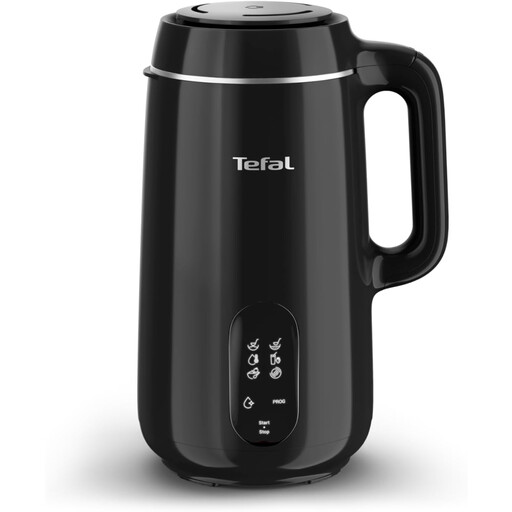
A compact 1.2L model such as the Tefal Easy Soup BL841140 suits smaller batches when storage space is tight; a 1.6L Morphy Richards model offers more capacity for preparing several lunch portions in one cycle. Before choosing either, check how you will clean and store the appliance, whether the shared kitchen permits it, and whether you have room to cool and refrigerate the finished soup.
If you make several packed lunches at once, jug capacity and texture settings matter alongside the space needed to store the finished portions.
If the worktop must be cleared after cooking, consider how easily the appliance can be cleaned, moved and put away.
If cooking has to fit around a limited morning or evening window, programme duration and controls such as a countdown or pause function may affect which model works for you.
Start with the number of portions you can refrigerate, then consider how quickly the appliance must be cleaned and cleared from the shared worktop.
| Concern | What to check | Who this matters to |
|---|---|---|
| Batch size | Check the permitted minimum and maximum fill against your usual recipe, then count the containers and fridge space available. | If I prepare several lunches together, I need enough soup from one cycle without making more than I can store. Around 29% of consumers put batch size first. |
| Cleaning and shared space | Check the lid and blade-cleaning instructions, appliance dimensions and cord arrangement; confirm that personal appliances are permitted. | When I share a worktop, I need to clean up and put the machine away without disrupting others. For around 29% of consumers, that is the primary concern. |
| Cooking time and controls | Compare the stated soup-programme duration and check for a countdown or a supported pause function. | If I cook before work or after a busy day, I need the cycle to fit the time I have. Timing is the main priority for around 24% of consumers. |
| Occasional use and storage | Measure the cupboard space, including height, and consider whether the capacity fits the portions you normally make. | If I make soup only occasionally, I would rather store an appliance that fits my smaller batches than keep a larger one I seldom use. Around 18% of consumers prioritise that fit. |
A 1.6L jug can make more soup in one cycle, but the finished batch still needs to be portioned and stored.
Count the lidded containers and check the available fridge shelf space before choosing a larger jug.
A keep-warm setting is for serving soup shortly after cooking, not for keeping next-day packed lunches.
Make a separate plan to cool and refrigerate portions, and follow the food-storage and reheating guidance applicable to your setting.
A managed kitchen may have rules about electrical appliances. The Health and Safety Executive says employers must maintain electrical equipment to prevent danger; it does not require annual portable appliance testing in every low-risk workplace.
Ask the kitchen owner or facilities team what appliances, storage arrangements and inspections are permitted before bringing one in.
Morphy Richards’ soup-maker guidance says manual cleaning is still needed, particularly inside the lid.
Read the instructions for the exact model and check how to clean its lid, blade area and jug after use.
Its 1.6L Classic 48822 and Large 501022 soup makers are relevant when several lunch portions are the priority.
The Easy Soup BL841140 is a 1.2L option for smaller batches and kitchens where the appliance needs putting away.
The Foodi HB150UK represents a hot-and-cold blender option for consumers who want more than a soup-focused appliance.
These soup makers are relevant to preparing packed-lunch portions where batch fit and clearing up in a shared kitchen matter. Check the usable hot-soup fill and cleaning instructions for the exact model before choosing.
 No image available
Consider this model for smaller packed-lunch batches when an automatic cleaning programme would help you clear the shared worktop.
The product name specifies six blades. Check that the permitted hot-soup fill and minimum fill suit your portions, and confirm the cleaning steps and cord arrangement before buying.
 No image available
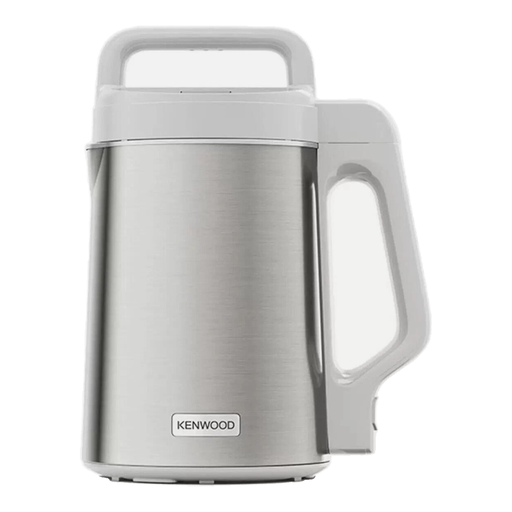
Consider this model if pouring soup into lunch containers and cleaning up promptly are important to your routine.
Check the permitted hot-soup fill rather than treating the named 1.5L capacity as the amount of hot soup you can make. Confirm the programme duration, dimensions and cleaning steps against your shared-kitchen routine.
It can be if your recipe fits the appliance’s fill marks and makes enough portions for your lunches. Tefal describes the 1.2L Easy Soup BL841140 as making up to four servings; if you regularly need more in one cycle, compare a 1.6L model and the fridge space the larger batch will require.
No: use keep-warm for short-term serving, not as a substitute for cooling and chilled storage. For later lunches, follow the food-storage guidance applicable to your setting and reheat the soup thoroughly.
Not automatically. The Health and Safety Executive says annual portable appliance testing is not required for every appliance in a low-risk workplace, while employers must maintain electrical equipment to prevent danger. Ask your employer or kitchen manager about local permission and any inspection requirements.
No. Follow the cleaning instructions for the exact soup maker, including its lid and food-contact parts; Morphy Richards’ own guidance says the inside of the lid still needs manual cleaning.