Batch-cooking holidaymakers
If one cooking cycle needs to cover several lunches, start with working capacity and the size of your lunch containers. A larger jug also needs somewhere to stand and be stored.


Choose a soup maker by the amount you need to prepare in one batch: a larger jug makes more sense for several packed lunches, while a smaller model may be easier to fit into a holiday-cottage kitchen. Compare the exact model’s hot-soup fill guidance and dimensions before deciding; a cleaning programme is useful, but it does not replace checking and washing the jug, lid and blade area.
If one cooking cycle needs to cover several lunches, start with working capacity and the size of your lunch containers. A larger jug also needs somewhere to stand and be stored.
If you are making one or two lunches and have limited worktop or cupboard space, check the appliance’s dimensions as carefully as its capacity.
If you need to clean and put the appliance away promptly, look for controls you understand and a cleaning routine you can complete, including any manual steps.
Work out how much soup must fit into one cooking cycle, then check whether the appliance fits the kitchen and the time you have for cleaning. Manufacturer serving claims are not necessarily based on the same portion size.
| Concern | What to check | Who this matters to |
|---|---|---|
| Batch capacity | Compare working capacity and hot-soup fill guidance with the total volume your lunch containers need. | If I need several lunches from one cycle, another batch may not fit my plans; around 37% of consumers put batch capacity first. |
| Kitchen space | Check height, width, depth and cord arrangement against the available worktop and cupboard space. | When I have little room to prepare food or store an appliance, a manageable footprint takes priority; roughly 27% of consumers put space first. |
| Controls and cleaning | Check the soup programmes and the manual’s instructions for cleaning the jug, lid and blade area. | If I need to wash up before leaving the cottage, straightforward controls and manageable cleaning matter most; around 27% of consumers prioritise that routine. |
| Additional functions | Confirm that the exact model has any sauté, blending or cold-drink function you intend to use. | If I also want to prepare other food or drinks with the same appliance, extra functions become my main concern; roughly 9% of consumers put versatility first. |
A serving claim may assume a smaller portion than you want for a packed lunch, leaving you with another batch to make.
Compare the soup maker’s working capacity and fill guidance with the combined volume of your lunch containers.
Food can remain around the lid or blade area after a cleaning cycle.
Follow the model’s cleaning instructions and inspect the jug, lid and blade area after use.
Capacity helps with batch cooking, but the appliance still needs a suitable place to stand, cool and be stored.
Measure the space available and check the exact model’s dimensions, weight and cord arrangement before buying.
A damaged plug, lead or socket, or an overloaded extension lead, presents an electrical risk with a heating appliance.
Inspect the appliance and socket before use, do not use damaged equipment, and avoid overloading extension leads.
Morphy Richards lists the Classic 48822 with a 1.6L capacity and smooth and chunky settings, making it a model to examine when one batch must cover several lunches.
Tefal describes the Easy Soup BL841140 as a 1.2L model with automatic smooth and chunky soup programmes.
Lakeland positions its 1L Compact Soup Maker for two meal-sized portions, a useful reference if you are cooking a small batch in limited space.
Good Food identifies the Ninja Foodi blender and soup maker as an option with a sauté function, relevant if browning ingredients in the appliance matters to you.
These Joybuy soup makers are worth considering if you want to prepare packed-lunch soup during a cottage stay. Check each model’s hot-soup fill guidance against your batch size before choosing.
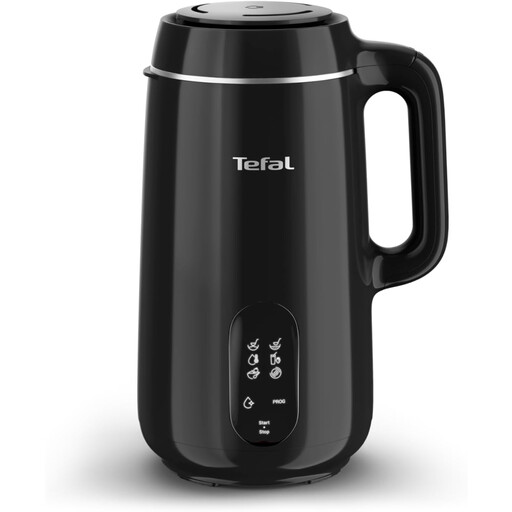 No image available
For a short cottage stay, consider whether its programmes cover the soup textures you want. Check the hot-soup fill limit against your lunch containers, and read the cleaning instructions for the lid and blade area before buying.
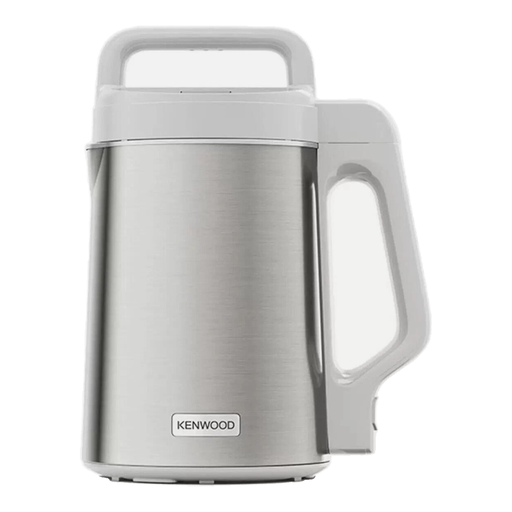 No image available
If you are planning a larger lunch batch, compare the hot-soup working fill limit with the capacity named for this model rather than assuming the whole jug can be filled for cooking. Check its dimensions against the cottage kitchen and allow for any manual cleaning steps.
Choose capacity by the volume your lunches need in one cooking session, then check the model’s permitted hot-soup fill level. Lakeland describes its 1L Compact Soup Maker as suitable for two meal-sized portions, while Morphy Richards positions its 1.6L Classic for multiple portions; those descriptions do not establish identical serving sizes.
No: treat a cleaning programme as an aid, not a substitute for following the manufacturer’s washing instructions. Tefal and Lakeland list cleaning functions on the models discussed here; inspect the jug, lid and blade area after use.
Choose additional functions if you expect to use them during the stay, rather than for a soup-only routine. Good Food identifies a Ninja Foodi blender and soup maker with a sauté function, but functions vary by model, so check the precise appliance before buying.
Check the appliance’s supplied plug and electrical requirements against the cottage facilities before use. Electrical Safety First identifies the UK supply as 230V at 50Hz; also inspect the plug, lead and socket, and do not use damaged equipment or overload an extension lead.
No: cooking and storing a lunch are separate steps. Plan how you will cool, refrigerate, pack and transport the soup safely, particularly if it will not be eaten straight away; Food Standards Agency guidance treats cooking, cooling and refrigeration as distinct food-safety controls.