
24/7 Customer Support

Free returns

Same-day & Next-day Delivery

Quality Guaranteed

Unlock Your Welcome Offers: FREE Delivery | Up to 80% OFF | Free 30-day JoyPlus trial
Download the APP
From the Joybuy Product Recommendation Officer
Soup stock and broth bases can make weekday cooking easier, but the wrong product may leave you with an overly salty soup, an unsuitable allergen profile or a cupboard full of single-use sachets. Whether you are preparing ramen, hot pot, stew, sauce or a traditional British casserole, the right base should match both your cooking style and the dish you plan to make.
A bottle labelled concentrated soup stock usually needs dilution, while a ready-to-use ramen soup or broth may be added directly to a pan. Check the preparation instructions before comparing pack sizes. A 250ml bottle can make several servings when diluted, whereas a larger pouch may be intended for one hot pot meal.
For example, Kikkoman Concentrated Ramen Noodle Soup Base Shoyu Flavour uses 30ml of concentrate with 270ml of boiling water. Sempio Bonito Soup Base suggests a 1:10 dilution for soup. Comparing only the bottle size can therefore give a misleading impression of value.
A product’s front label may not tell the whole story. Check the ingredient list for fish, crustaceans, milk, celery, wheat, soybeans and sesame. Some Asian soup bases contain fish extracts, even when they are used with vegetables or noodles. Likewise, chicken-flavoured powders and wonton soup mixes may contain wheat, soy or sesame.
Vegetarian and vegan shoppers should look for a clear suitability statement and read the ingredients each time, as recipes can change. The Kikkoman shoyu ramen base is listed as suitable for vegans, while fish-based options such as dashi stock and bonito soup base are not.
Stock cubes and seasoning powders are compact because they contain concentrated flavour. Salt levels can be high, particularly in products designed to be diluted. Use the manufacturer’s recommended water volume, taste before adding extra seasoning and consider the salt already present in soy sauce, noodles or toppings.
A practical comparison is the salt per prepared portion, not simply the salt per 100g of dry product. This helps you compare chicken stock cubes, beef stock cubes, lamb stock cubes and Asian soup bases more fairly.
Choose the format that suits your routine:
Match the base to the meal rather than choosing by cuisine name alone:
UK food labels must identify regulated allergens in the ingredients list, but you should still inspect the current packaging before use. Once opened, many liquid bases require refrigeration and prompt consumption. Dry cubes and powders normally need a cool, dry cupboard, while kombu should be protected from moisture.
Follow cooking instructions carefully. Products containing meat, seafood or dried ingredients may require thorough heating. Do not assume that a “soup base” is ready to consume straight from the pack.

Why This Fits Their Persona: A familiar cupboard format for students, first-time cooks and families who want a measured base for soups, casseroles and pies.
The stated preparation amount makes portioning clearer than using an unspecified sprinkle of seasoning.
Twelve individually wrapped cubes; can be dissolved in water or crumbled directly into a dish.
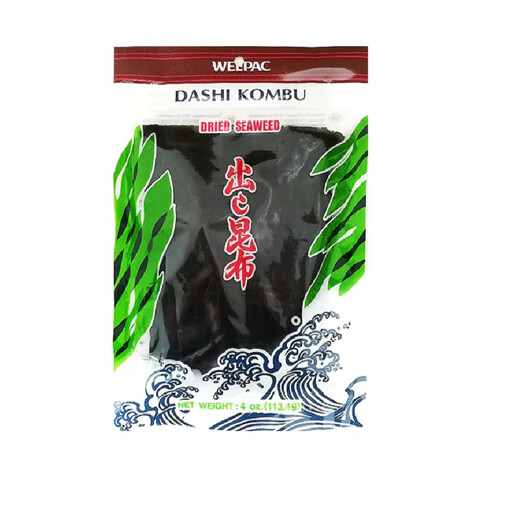
Why This Fits Their Persona: Suitable for cooks who prefer a single-ingredient foundation and are happy to prepare Japanese soup stock from dried kombu.
The ingredient list states dried kombu seaweed only, avoiding hidden seasoning blends; check the pack for current allergen advice.
100% dried kombu; suitable for soups, stews, beans and Japanese-style broths.

Why This Fits Their Persona: A larger format for group hot pot meals, family gatherings or cooks who regularly serve noodles and mixed toppings.
The 750g pack is clearly positioned for a three-serving hot pot, rather than a small individual sachet.
Designed to simmer with hot pot ingredients; ramen noodles can be added at the end of the meal.
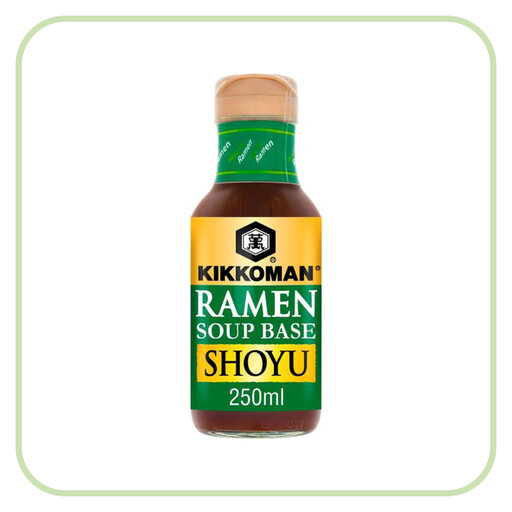
Why This Fits Their Persona: A compact option for busy UK households wanting ramen, noodle broth or vegetable dishes without preparing dashi from scratch.
The stated 30ml-to-270ml dilution ratio helps prevent using too much concentrate and oversalting the bowl.
Made in Japan and listed as suitable for vegans; also usable in stir-fries and rice dishes.
We have compiled a complete, real-time list of products that fully satisfy these strict selection criteria and UK safety regulations.
Use the manufacturer’s dilution guidance first. Common liquid concentrates may require one part base to two to ten parts water, while a stock cube may make roughly 190–450ml depending on the product. Adjust gradually, especially when adding soy sauce, miso, cured meat or salty toppings.
Dry cubes, powders and unopened dried kombu generally last until the stated best-before date when stored in a cool, dry place. Opened liquid products usually need refrigeration and should be used within the period printed on the packaging. Seafood concentrates may require particularly prompt use after opening.
Look for a clear vegan or vegetarian statement, then confirm the ingredients and allergen information. Vegetable stock pots are a practical choice for soups, sauces and stews, while some shoyu ramen bases are vegan-friendly. Dashi made with bonito, fish-based Japanese soup stock, crayfish stock and chicken bases are not suitable for vegan cooking.