
24/7 Customer Support

Free returns

Same-day & Next-day Delivery

Quality Guaranteed

Unlock Your Welcome Offers: FREE Delivery | Up to 80% OFF | Free 30-day JoyPlus trial
Download the APP
A well-stocked pantry is the secret to flavourful home cooking, and at its heart lies a good selection of soup, stock and broth. From a rich, slow-simmered bone broth to a quick and convenient ramen soup base, these ingredients are the foundation of countless dishes. Yet, the supermarket aisle can be a confusing place. With so many formats and marketing claims, it's easy to end up with a product that's high in salt but low in flavour, or simply not right for your recipe.
As the Joybuy Product Recommendation Officer, my role is to help you navigate these choices. We'll look past the hype and focus on what truly matters, ensuring you select the right product for your kitchen, whether you're preparing a Sunday roast, a quick midweek meal or exploring global cuisines.
Many home cooks find themselves disappointed with their purchases. Here are a few common traps to avoid:
To make a confident choice, focus on these key factors. They will help you find a product that genuinely adds value to your meals.
The format dictates how you'll use the product. Understanding the differences is key to stocking your pantry effectively.
The order of ingredients tells you everything. For a chicken stock, you want to see "chicken" or "chicken stock" listed near the top, not "salt" or "maltodextrin." Look for products that use recognisable ingredients like vegetables, herbs and real meat or bone extracts. Pay close attention to the sodium content, usually listed per 100g or per prepared serving. This will help you manage the salt level in your final dish and make a more informed choice.
A generic vegetable stock is a versatile workhorse, but for certain dishes, a specialised base is essential. If you're making Japanese ramen, a dedicated ramen soup base containing ingredients like soy sauce, dashi and mirin will provide an authentic foundation that a simple chicken stock cannot replicate. Likewise, a Caribbean soup mix will contain the specific blend of herbs and spices needed for a traditional Jamaican soup. Choosing a cuisine-specific product is the easiest way to achieve an authentic flavour profile.
To help you choose, we've matched some popular products to different home-cooking needs.
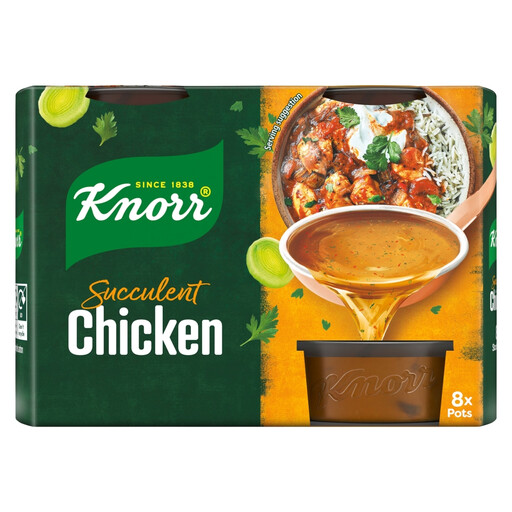
Why This Fits Their Persona: Perfect for quick, flavourful midweek meals. The pre-portioned pots dissolve instantly into sauces, risottos or casseroles, saving time without compromising on a rich, rounded chicken flavour.
It sidesteps the "format confusion" trap with its simple, melt-in design. The concentrated chicken stock base provides genuine substance, avoiding the "high salt, low flavour" issue of some powders.
Gluten-free and made with no artificial colours or preservatives. The gel format delivers a full-bodied taste that integrates smoothly into dishes.
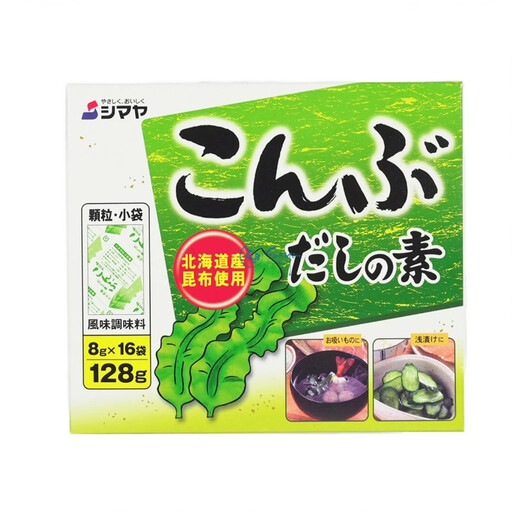
Why This Fits Their Persona: For those exploring Japanese cuisine, this dashi powder is a non-negotiable pantry staple. It provides the essential umami foundation for miso soup, noodle broths and simmered dishes.
This directly counters the "authentic flavour illusion." It contains real kombu (kelp) and katsuobushi (bonito) powder, delivering a genuine, complex umami flavour that salt and MSG alone cannot replicate.
Convenient granulated format dissolves instantly. It provides a sophisticated, oceanic sweetness and depth that is fundamental to authentic Japanese cooking.
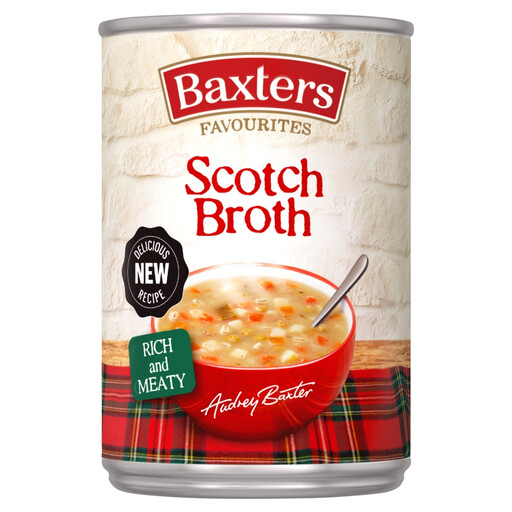
Why This Fits Their Persona: For those wanting a classic, hearty meal without the cooking. This ready-to-eat soup is a Scottish classic, perfect for a warming and satisfying lunch or light dinner on a cold day.
This is a complete meal, not just a salty broth. It avoids the "low substance" pitfall by being packed with barley, vegetables, mutton and beef, offering genuine texture and nutritional value.
A source of fibre and low in fat. It delivers a traditional, home-cooked taste with the convenience of simply heating it on the hob or in the microwave.
We have compiled a complete, real-time list of products that fully satisfy these strict selection criteria and UK safety regulations.
1. What is the difference between stock and broth? Traditionally, broth is made by simmering meat, while stock is made by simmering bones. This often gives stock a richer, more viscous texture due to the collagen released from the bones. However, in commercial products, the terms are often used interchangeably. The most reliable way to know what you're getting is to check the ingredient list for terms like "bone broth" or "chicken bones" versus just "chicken extract."
2. How long do stock products last once opened? This depends entirely on the format. Dry products like stock cubes and bouillon powder can last for many months in a cool, dry, airtight container. However, once you open a liquid stock, bone broth or flavour pot, it must be refrigerated and is typically best consumed within 2-5 days. Always refer to the storage instructions on the packaging.
3. Can I use a ready-to-eat soup as a stock for another dish? It is generally not recommended. A ready to eat soup, such as a lentil or minestrone, is a finished dish with its own balance of seasonings, starches and textures. Using it as a base for another recipe can result in an overly thick, strangely seasoned or starchy final dish. For cooking, it is always better to start with a dedicated cooking broth, stock or bouillon.