
24/7 Customer Support

Free returns

Same-day & Next-day Delivery

Quality Guaranteed

Unlock Your Welcome Offers: FREE Delivery | Up to 80% OFF | Free 30-day JoyPlus trial
Download the APP
A suitable soup stock can turn a simple midweek meal into a well-rounded dish, but choosing one is not always straightforward. UK shoppers will find stock cubes, concentrated liquid bases, seasoning powders and dried ingredients on the same shelf, often with very different uses and storage requirements.
The main buying mistakes are usually easy to avoid:
Choose the format that fits how you cook.
For example, Kikkoman Hon Tsuyu recommends mixing one part concentrate with two to four parts water, while Kikkoman Shoyu Ramen Soup Base uses 30ml with 270ml of boiling water. Sempio Bonito Soup Base gives a typical one-to-ten dilution for soup. These differences affect both taste and value, so compare the prepared volume rather than bottle size alone.
Always read the UK packaging before serving the product to anyone with an allergy or specific dietary requirement. Common allergens in soup stock include:
Vegetarians and vegans should check the full ingredients list rather than relying only on the product name. Halal shoppers should look for clear halal information on the product packaging and check whether any meat-derived ingredients are specified. Nan De Halal Chicken Stock Seasoning is described as halal and is intended for soups, stir-fries, marinades and noodle dishes, but packaging details should still be checked before purchase.
Stock is designed to season food, so salt content can be significant. Compare the salt per prepared serving where available and consider using less added salt elsewhere in the recipe.
Storage instructions also influence convenience. Foil-wrapped cubes can remain in a cool, dry cupboard, while opened liquid bases often need refrigeration. JUMBO Crayfish Stock, for instance, should be refrigerated after opening and used within five days or frozen for longer storage. Dried kombu should be protected from moisture and kept in an airtight container after opening.
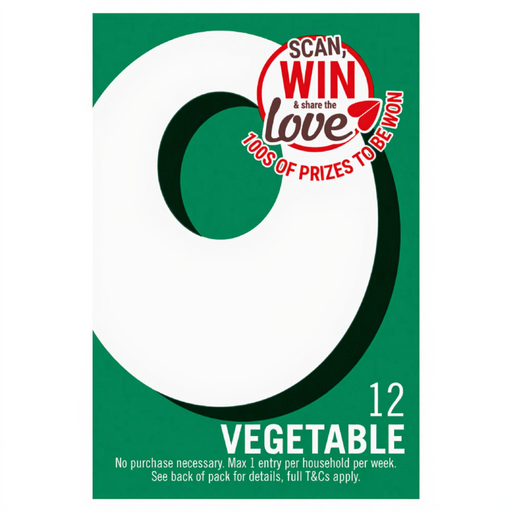
Why This Fits Their Persona: Individually foil-wrapped vegetable cubes are practical for students, flatshares and families building a versatile cupboard collection. They can be crumbled into dishes or dissolved in 190ml of boiling water.
The preparation method and allergen information are clearly specified, helping prevent confusion between a cube and a ready-made broth.
12 individually wrapped cubes; suitable for vegetarian and vegan dishes. Contains wheat and barley, so check allergens.
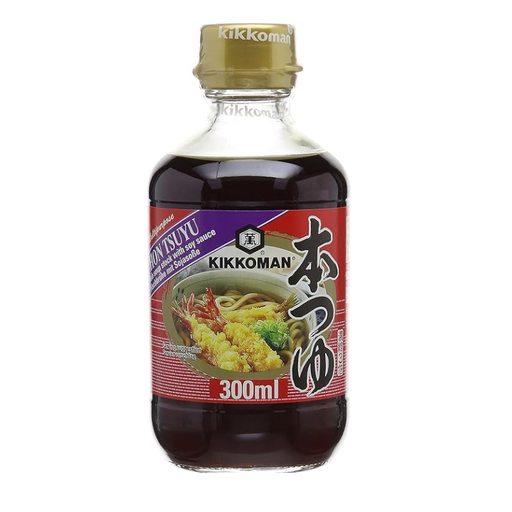
Why This Fits Their Persona: A fish-based Japanese concentrate for shoppers who want one bottle for noodle broths, hot pots, soups and dipping sauces.
The stated dilution range helps users adjust strength instead of assuming the concentrate is ready to use.
Contains fish extract, soy sauce and kelp extract; no added preservatives listed. Contains fish, soya and wheat.

Why This Fits Their Persona: The 750g format suits shared hot pot meals, group dining and cooks who regularly prepare Japanese-style broths.
The pack gives direct hot-pot instructions, including boiling the base and simmering ingredients for five to ten minutes.
Large 750g pack; designed for hot pot and ramen finishing. Contains soya and wheat ingredients.
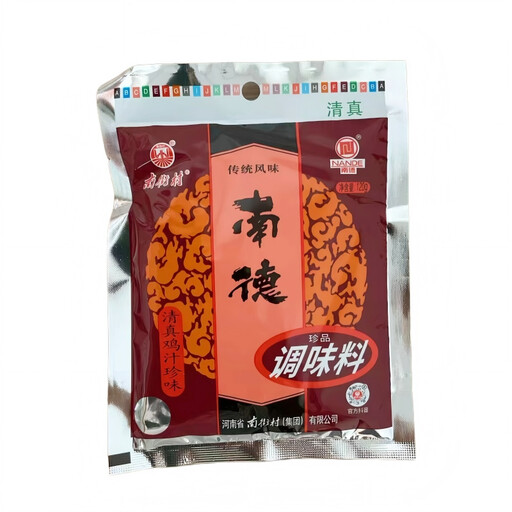
Why This Fits Their Persona: A powdered halal chicken seasoning for households preparing soups, stir-fries, salads, marinades, fried rice and noodle dishes.
Its multiple stated uses make it more practical than a product limited to one soup recipe. Check the pack for halal certification details.
120g resealable seasoning format; ingredients include chicken powder, mushroom powder and spices. The listed salt content is high.
We have compiled a complete, real-time list of products that fully satisfy these strict selection criteria and UK safety regulations.
Not always. Concentrated products normally require dilution, while some ready-to-use bases can be heated directly. Follow the preparation instructions on the packaging and adjust seasoning only after tasting.
It depends on the format. Dry cubes and powders generally remain suitable in a sealed, dry cupboard until the stated date. Opened liquid products may need refrigeration and prompt consumption. Always follow the storage instructions on the label.
Some vegetable stock cubes are labelled suitable for vegetarians and vegans, but recipes vary. Chicken and beef products are not suitable for those diets. For halal shoppers, select products with clear halal information and verify the current packaging, ingredients and certification before use.