
24/7 Customer Support

Free returns

Same-day & Next-day Delivery

Quality Guaranteed

Unlock Your Welcome Offers: FREE Delivery | Up to 80% OFF | Free 30-day JoyPlus trial
Download the APP
A dependable soup stock can turn leftover vegetables, noodles or meat into a satisfying meal with little preparation. However, the wide choice of stock cubes, stock pots, powders and concentrated bottles can make shopping confusing. A product designed for ramen may be unsuitable for a roast dinner, while a large catering-size tub may offer poor value for a student who cooks occasionally.
As the Joybuy Product Recommendation Officer, I focus on practical details rather than broad marketing claims. Here are the checks that matter before adding a cooking stock to your basket.
Many liquid soup bases require dilution. For example, Kikkoman Hon Tsuyu recommends mixing one part concentrate with two to four parts water, while its ramen base uses 30ml with 270ml of boiling water. Using the concentrate undiluted can make a dish excessively salty and overpowering.
Always check whether the product is:
Stock products are often designed to deliver strong flavour in small quantities. The nutritional information can therefore show a high salt content per 100g, even when the prepared serving contains much less. Totole Granulated Powder, for instance, lists 39.2g of salt per 100g, while Nan De Halal Chicken Stock Seasoning lists 66.25g per 100g.
This does not automatically make a product unsuitable, but it does mean you should measure carefully and avoid adding extra salt until the dish is finished.
Stock is not always suitable for every household. Common ingredients and allergens include:
Read the current packaging before purchase, particularly when cooking for vegetarian, vegan or allergy-sensitive diners. Product formulations can change, so the label remains the relevant source of information.
Compare products by the amount of prepared stock they make, not simply by pack weight. Stock cubes commonly provide a fixed quantity of broth per cube. OXO Chicken Stock Cubes are prepared by dissolving one cube in 190ml of boiling water, while Knorr Rich Beef Stock Pots can be dissolved in 500ml of water for a standard stock or 750ml for a lighter version.
Liquid concentrates offer more flexibility, but require accurate measuring. They are useful for noodle soups, dipping sauces and hot pots where you may want to adjust the intensity.
Choose the base according to the food you prepare most often:
A multi-pack of cubes can be convenient for regular family cooking, while a 25g or 45g sachet may suit occasional international recipes. Liquid products generally require refrigeration after opening and some should be consumed promptly. Dry products should be sealed and stored in a cool, dry place to prevent clumping and loss of aroma.

Why This Fits Their Persona: A practical cupboard staple for students, flat-sharers and families preparing soups, casseroles and pies.
The pack states a clear preparation method: one cube dissolved in 190ml of boiling water, reducing guesswork.
Individually foil wrapped; suitable for soups, casseroles, pies and general cooking stock.
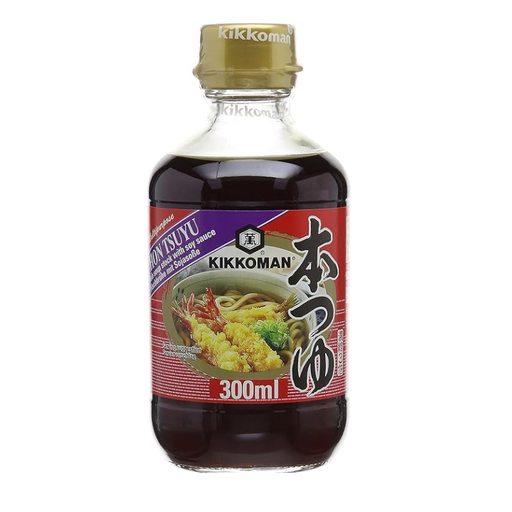
Why This Fits Their Persona: Suitable for cooks who want one Japanese seasoning for noodle broth, hot pot, soup and dipping sauce.
The listing clearly identifies fish, soybeans and wheat and provides a dilution range of one part stock to two to four parts water.
Contains fish extract, soy sauce and kelp extract; no added preservatives according to the product description.

Why This Fits Their Persona: A convenient option for regular beef pies, stews, sauces and casseroles in a busy household kitchen.
The pack specifies both direct use in dishes and dilution in 500ml or 750ml of boiling water, making the strength easier to control.
Four stock pots in a 112g pack; listed as gluten-free and free from artificial colours and preservatives.

Why This Fits Their Persona: Designed for vegetarian and vegan shoppers who want an everyday base for soups, pasta, casseroles, sauces and gravies.
The product is specifically described as suitable for vegetarians and vegans, while the ingredient list identifies wheat and barley allergens.
Twelve individually foil-wrapped cubes; one cube can be crumbled into food or dissolved in 190ml of boiling water.
We have compiled a complete, real-time list of products that fully satisfy these strict selection criteria and UK safety regulations.
Use stock cubes or granules in small amounts when seasoning fried rice, noodles, dumpling fillings and marinades. For gravy, dissolve the base first, then combine it with cooking juices or a thickener. Gravy granules such as Bisto Vegetarian Gravy Granules are intended to create a thicker sauce with boiling water rather than a clear broth.
For Japanese cooking, kombu can be used to make dashi from scratch. Soak the dried seaweed in water for at least 30 minutes, heat it slowly and remove it just before boiling. Liquid ramen soup bases are faster when preparing a single bowl, while a hot pot soup base is more suitable for shared meals.
Not always. Stock is usually a base ingredient used in soups, sauces, stews and gravies. Broth is generally prepared for serving as a finished liquid, although packaging terminology varies. Check the preparation instructions before using either product.
Follow the storage directions on the bottle. Many concentrated liquid products should be refrigerated after opening and consumed within the stated period. Dry cubes and powders usually last longer when kept sealed in a cool, dry cupboard, but the best-before information on the packaging should be followed.
Choose a product explicitly labelled suitable for vegans and check the allergen and ingredient information. Vegetable stock cubes are a common choice, while fish-based dashi, chicken stock and beef stock are not vegan. Also check for milk, fish, shellfish, wheat and other ingredients when cooking for guests.