Choose a standard tin if you can heat the soup before boarding or after arrival; for soup during the journey, a pre-heated flask avoids depending on train facilities. A cup soup still needs boiling water, while condensed soup needs added liquid and cooking. Check the exact pack for serving guidance, ingredients and allergens before you travel.
Who needs which approach?
Travellers who can prepare food before or after the train
A tin can work for lunch if you can heat and serve it away from your seat. Check the pack size and serving guidance against the meal you have planned, particularly when choosing between a single tin and a multipack.
Passengers planning to eat onboard
National Rail welcomes passengers bringing their own food, but catering is not available on every service. A flask filled before boarding avoids needing onboard hot water; a cup soup is an option only if you can arrange boiling water and a suitable cup.
Vegetarian and allergen-aware shoppers
Vegetarian suitability does not establish allergen suitability. The cited Heinz and M&S cream-of-tomato soups are described as vegetarian but contain milk; check the label on the exact pack you buy.
What should you check?
Decide when you will eat first: that determines whether you need to heat soup before travel, arrange boiling water or wait until arrival.
Standard tin
Choose it when: You can heat the soup before boarding or at your destination.
Allow for: A suitable way to heat and serve it; a tin alone does not solve either step at your seat.
Cup soup or filled flask
Choose it when: You plan to have soup during the journey rather than prepare a tin at your destination.
Allow for: Cup soup needs boiling water, whereas a flask needs filling before you board.
Condensed soup
Choose it when: You are preparing soup or a recipe before travel or after arrival.
Allow for: Campbell’s says to add an equal quantity of water or cream and cook its condensed soup.
| Priority | What to check | Your needs |
|---|
| Preparation |
Read the heating directions and identify the pan, microwaveable bowl or flask you would use. Confirm access to boiling water before choosing a cup soup. |
I want to eat on the train without assuming there will be a way to heat or serve a tin at my seat. |
| Serving size |
Check pack weight and stated servings. Sainsbury’s labels its 400 g Vegetable Soup as serving two. |
For a solo lunch, I need to decide whether the labelled portion suits the meal I am planning. |
| Ingredients |
Check the exact pack for allergens and dietary wording. The cited vegetarian Heinz and M&S cream-of-tomato soups contain milk. |
Vegetarian wording is useful to me, but I also need the ingredient and allergen information to fit my requirements. |
| Pack quantity |
Distinguish a single 400 g tin from a six-can pack, and check how many meals you intend to prepare. |
One journey may call for one tin; a multipack makes more sense to consider when I am planning several meals. |
Avoid these train-journey snags
-
Taking a tin with no heating or serving plan
The cited Heinz tin directs you to heat its contents in a pan or covered microwaveable bowl. National Rail also lists services without onboard catering, so bringing the tin does not establish that you can prepare it on the train.
Heat and transfer soup into a suitable flask before boarding, or plan to prepare the tin after arrival. Choose a cup format only if you have confirmed access to boiling water.
-
Assuming vegetarian means dairy-free
The cited Heinz and M&S vegetarian cream-of-tomato soups contain milk. A flavour name or vegetarian label does not answer a separate allergen question.
Read the ingredients and allergen declaration on the exact pack before buying or eating it.
-
Treating condensed soup like a standard tin
Campbell’s says its condensed soup needs an equal quantity of water or cream added and must be cooked through. That adds preparation steps to an onboard meal.
Prepare condensed soup where you can add the liquid and cook it; use another format if you need soup ready to serve during the journey.
Brand and retailer references
Tesco
Tesco’s tinned-soup range includes own-label and branded 400 g options, including Cream of Tomato and Plant Chef Sweet Potato & Coconut.
- The listed varieties give shoppers different recipes to compare.
- Check the ingredients and serving instructions for the particular tin rather than assuming they are shared across the range.
Sainsbury’s
Sainsbury’s Vegetable Soup is a 400 g tin with pasta, root vegetables and peas.
- The ingredient description helps distinguish this vegetable soup from a plain tomato variety.
- The pack is labelled as serving two; check whether that suits the meal you intend to take.
Heinz
Heinz has standard and Big Soup varieties among the cited 400 g tins.
- Its cited Cream of Tomato product is described as suitable for vegetarians.
- That cream-of-tomato product contains milk; check each variety’s own label.
Campbell’s
Campbell’s condensed soup is a format for cooking rather than opening and serving straight from the tin.
- Campbell’s gives a preparation method using equal parts soup and water or cream.
- Its cited Cream of Chicken contains wheat gluten and milk and may contain egg. Read the exact label.
M&S
M&S has both a 400 g Cream of Tomato tin and a separate Tomato Soup in a Cup sachet.
- The sachet is mixed with boiling water, offering a different preparation route from a tin.
- The cited tin contains milk; the cited cup soup has mustard, soya and egg allergy warnings. Check the relevant pack.
Tinned soups for planned meals
These Joybuy tins are options to consider when planning soup around a train journey, rather than expecting to open and serve a tin at your seat. Check each can’s preparation and dietary information for the meal you intend to make.
 No image available
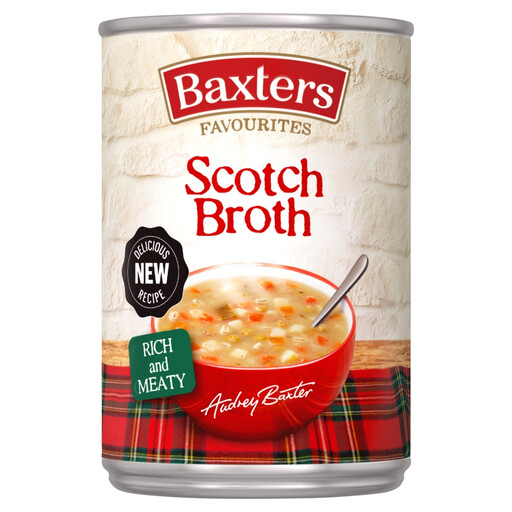
Baxters Favourite Scotch Broth 400g
A single tin to consider for a meal prepared before travel or after arrival. Check the can’s heating directions and arrange a suitable container if taking it onto the train; check its barley ingredient against your dietary requirements.
View on Joybuy
 No image available
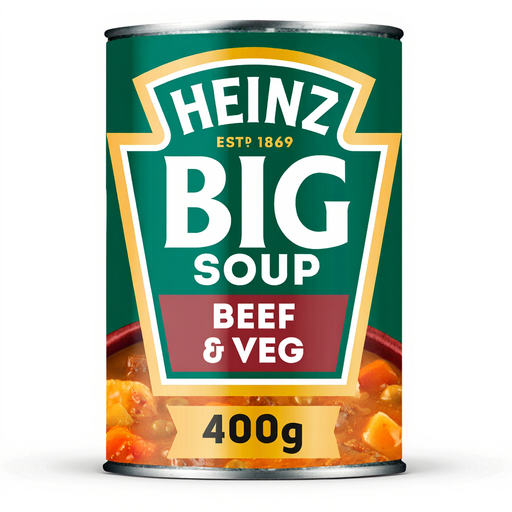
Heinz Big Soup Beef & Vegetable 400g
A beef and vegetable tin for a planned meal. Its stated two-serving guidance is worth checking if you are travelling alone; follow the can’s heating directions and prepare it away from your train seat.
View on Joybuy
 No image available
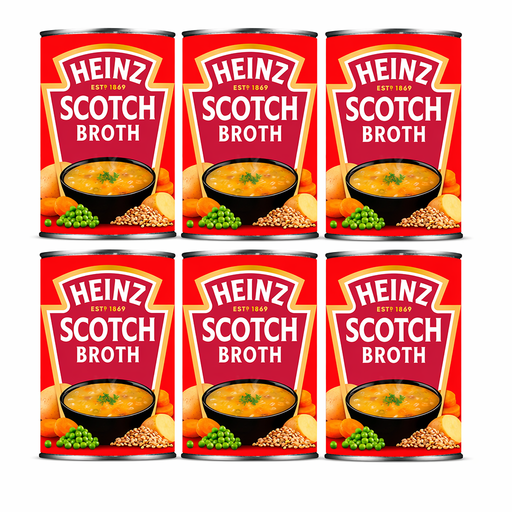
Heinz Scotch Broth Soup, 6 × 400g
Six tins suit planning several soup meals rather than packing only for one journey. Allow for heating and serving each tin, and check the pack label for barley and wheat if those ingredients matter to you.
View on Joybuy
 No image available
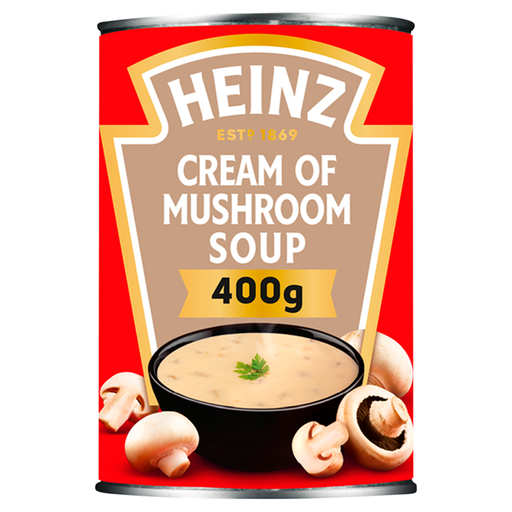
Heinz Cream of Mushroom Soup 400g
A vegetarian-labelled tin to consider when you can prepare soup before travel or after arrival. It contains milk and wheat, and its two-serving guidance may affect plans for a solo meal; check the exact can.
View on Joybuy
 No image available
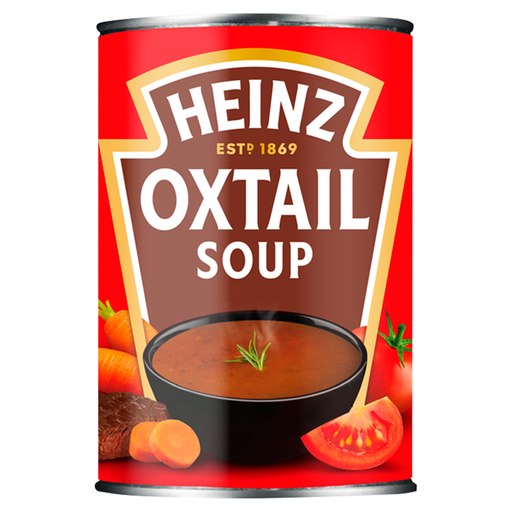
Heinz Oxtail Soup 400g
A meat-based tin for a planned soup meal. Read the can’s preparation instructions before deciding when to eat it, and check the label for wheat if relevant to your diet.
View on Joybuy
Common questions
Can I bring tinned soup onto a UK train?
Yes. National Rail says passengers are welcome to bring their own food. Plan how you will serve the soup, and take your packaging away with you.
Can I rely on the train to heat a tin or provide a bowl?
Do not assume those facilities will be available. National Rail lists services without onboard catering, and the cited Heinz tin instructs users to heat its contents in a pan or covered microwaveable bowl. Check your service and arrange preparation before boarding or after arrival.
Is condensed soup suitable for eating during the journey?
Not if you need soup ready to serve at your seat. Campbell’s says its condensed soup requires an equal quantity of water or cream and cooking, so plan to prepare it before travelling or after arrival.
Are vegetarian tomato soups dairy-free?
Not necessarily. The cited Heinz and M&S vegetarian cream-of-tomato soups contain milk. Check the ingredients and allergen declaration on the exact pack.
What should I do with leftover soup from an opened tin?
Follow the instructions on your can. The cited Heinz and M&S products direct you to transfer leftovers to a suitable container, refrigerate them and eat them within two days.


