Who this is for

Parents packing snacks without diagnosed dietary restrictions

A convenient croissant can work when you check the current ingredients and allergen label rather than assuming all butter croissants use the same recipe. Department for Education guidance for England also makes the school’s published allergy arrangements relevant.

Parents managing an allergy or dietary restriction

Match the exact pack’s allergen declaration with the child’s dietary plan and the school’s arrangements. Standard butter croissants commonly contain wheat/gluten, milk and egg, while some products carry additional nut-related warnings.

Shoppers looking for sourdough-style croissants

Check the ingredient list for explicit sourdough or fermented-wheat wording. That wording does not by itself establish gluten-free suitability or a particular artisan fermentation method.

What to prioritise

All-butter with sourdough-related ingredients

Choose it when: Wheat/gluten, milk and egg are suitable, and you want a croissant whose ingredients explicitly mention a sourdough-related ingredient.

Keep in mind: Inactive wheat sourdough does not make a croissant gluten-free or confirm a particular artisan or long-fermented method.

Conventional all-butter croissant

Choose it when: Sourdough is not essential and the child can eat the allergens declared on the pack.

Keep in mind: Standard products are not a gluten-free alternative, and nut-related warnings can differ between individual products.

Specifically gluten-free croissant

Choose it when: A gluten-free croissant is required and the current label also fits the child’s wider dietary plan.

Keep in mind: Gluten-free products can still contain other allergens, including milk and egg, and serve a different purpose from a sourdough preference.

Priority What to check Your needs
Allergen and school-policy suitability Read the full ingredients and allergen declaration for wheat/gluten, milk and egg. Check any may-contain or not-suitable statements, and use the current prepacked label after a substitution or recipe update. I need a snack that fits my child’s diagnosed allergies or dietary plan and the school’s allergy arrangements.
What “sourdough” actually means Look for sourdough or fermented-wheat wording in the ingredients. Assess wheat/gluten suitability separately, and check the current recipe version on the pack. I want a sourdough-related ingredient, without treating that wording as a gluten-free claim or proof of a particular baking method.
Pack and storage practicality Choose a pack quantity that suits planned servings. Follow the exact storage and freezing instructions, and keep checking the label when products change. I want a pack that works for school-week planning while still allowing me to check the food information on the product supplied.

Common buying mistakes

  • Treating sourdough wording as a gluten-free claim

    Tesco’s listed inactive wheat sourdough and M&S’s dried fermented wheat flour are wheat-based ingredients. Their all-butter croissants still contain wheat/gluten, so sourdough wording cannot replace an allergen check.

    Read the ingredients and allergen declaration in full. Where gluten-free food is required, choose a specifically gluten-free product only after checking all other relevant allergens.

  • Assuming every butter croissant has the same allergen profile

    Standard products can share wheat/gluten, milk and egg while differing in additional nut-related warnings. Recipes and declared allergens can also change.

    Check the physical pack each time, particularly after a substitution, redesign or reformulation. A previous purchase or a different retailer’s croissant is not proof that the current product is suitable.

  • Choosing a fresh-counter croissant without confirming allergy information

    Fresh service-counter foods can be affected by traces from other products. For a child with a relevant allergy, the food information for the exact item matters.

    Follow the school’s agreed approach and use a clearly labelled prepacked product only when its current declaration is suitable for the child.

  • Assuming fermented-wheat wording proves an artisan method

    An ingredient declaration can confirm inactive wheat sourdough or dried fermented wheat flour, but it does not necessarily confirm fermentation duration, starter method or artisan production.

    Describe the croissant only by what the current label confirms. If a particular sourdough method matters, look for a product page or pack that states that method directly.

Relevant brand references

Tesco Finest

A current all-butter croissant option for shoppers seeking an ingredient list that names inactive wheat sourdough.

  • Tesco lists butter and inactive wheat sourdough in its Finest All Butter Croissants ingredients.
  • The listing declares wheat, milk and egg, so the sourdough-related ingredient is not a gluten-free or allergen-free benefit. Check the physical pack because recipes and allergen information can change.

M&S

An in-store bakery and packaged all-butter croissant option, with sourdough breads separately listed in its bakery range.

  • M&S lists dried fermented wheat flour in its All Butter Croissants ingredients.
  • Its packaged all-butter croissant contains gluten, milk and egg and is not presented as gluten-free.

Waitrose

An option for comparing individual and multipack all-butter croissants, including an eight-pack listed as suitable for freezing.

  • Waitrose lists its eight-pack as suitable for freezing, subject to its product instructions.
  • Its standard all-butter croissants declare wheat/gluten, milk and egg, and the individual product page also notes a nut warning. Check the pack for current information.

Joybuy product options

Joybuy product options for households choosing a conventional frozen croissant when sourdough is not essential. Check the current pack against the child’s dietary plan and the school’s allergy arrangements before packing.
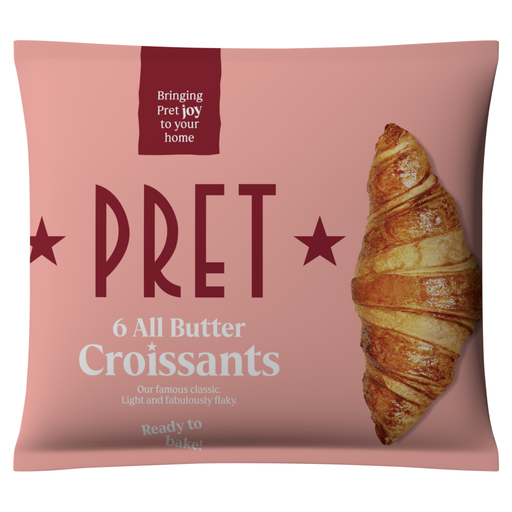
Pret A Manger Butter Croissants 330g

Pret A Manger Butter Croissants 330g

For households able to prepare frozen croissants before packing a school snack.

Frozen storage; bake from frozen in 20 minutes. Contains wheat/gluten, milk and egg, and may contain nuts, sesame and soya. Do not defrost or refreeze once thawed.

Joybuy
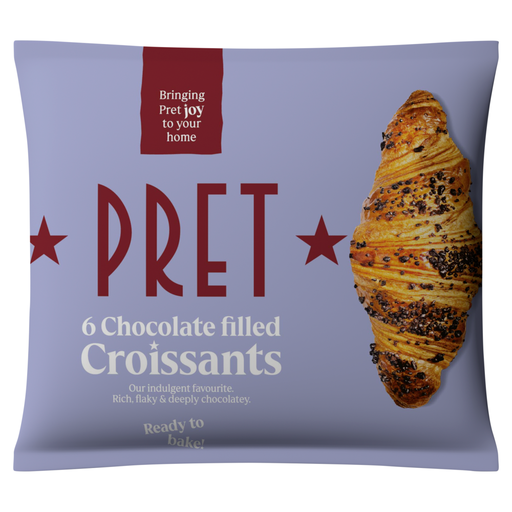
Pret A Manger 6 Chocolate Filled Croissants 420G

Pret A Manger 6 Chocolate Filled Croissants 420G

A six-croissant frozen pack for households planning oven preparation before use.

Chocolate-filled croissants with a stated 22-minute bake-from-frozen time. Contains wheat/gluten, milk, egg and soya; not suitable for nut and sesame allergy sufferers.

Joybuy

Frequently asked questions

Does a sourdough croissant suit a gluten-free diet?

Not necessarily. Tesco Finest All Butter Croissants list inactive wheat sourdough and wheat flour, while M&S All Butter Croissants list wheat flour and dried fermented wheat flour; both contain cereals containing gluten. Choose a product specifically labelled gluten-free only when that is required, then check its other declared allergens as well.

What should I check before putting a croissant in a school lunchbox?

Check the current pack label for the child’s relevant allergens and follow the individual school’s allergy arrangements. In England, the Department for Education says schools must have an allergy safety policy and advises checking labels and product information when products change or are substituted.

Do standard butter croissants contain the main allergens relevant here?

The retailer information for the standard all-butter croissants discussed here lists wheat/gluten, milk and egg. Waitrose also notes that its individual all-butter croissant may contain nuts, while M&S lists additional nut and seed allergy unsuitability statements for its packaged product; check the exact pack because recipes and warnings can change.

Can I freeze croissants for the school week?

Follow the instructions for the exact product. Tesco Finest says its four-pack is suitable for freezing by the use-by date, and Waitrose lists its eight-pack as suitable for freezing; both provide product-specific storage guidance.

Are allergen labels required on food products?

Food businesses in England, Northern Ireland and Wales must provide allergen information for prepacked and non-prepacked food and drink, according to Food Standards Agency guidance. Use that information alongside the child’s dietary plan and the school’s own arrangements.