Who this suits

Hosts seeking artisan-style afternoon tea

For shoppers who value a bakery-described sourdough croissant and buttery flavour over supermarket convenience, and can confirm collection or delivery before the event. Wild Hearth Bakery describes its product as a sourdough croissant.

Vegan afternoon-tea hosts

For hosts who need a croissant explicitly sold as vegan while still seeking a sourdough-labelled option. Check the current ingredients and allergen information for the exact product before serving.

Convenience-focused hosts serving warm pastries

For shoppers who do not require sourdough and prefer a frozen all-butter croissant baked shortly before serving, provided freezer storage and cooking requirements can be met.

What to check before buying

Start by deciding whether sourdough is essential, then check dietary suitability and the serving format that fits your afternoon-tea plan.

Priority What to check Your needs
Sourdough method Check that the exact product is described as a sourdough croissant. If the fermentation method matters, ask whether starter is used and whether commercial yeast is also included. The UK Government stated in August 2024 that “sourdough” has no specific legal definition. I want a sourdough-style croissant rather than an ordinary all-butter pastry, so the bakery description needs to be specific enough for my plans.
Ingredients and allergens Compare the current allergen information with every guest’s requirements. Check a vegan claim alongside the full ingredient list, and request allergen details for loose bakery items. My tea table needs pastries that are suitable for the guest list, without assuming that sourdough or vegan wording covers every dietary requirement.
Serving format Choose between collection-ready pastries, supermarket multipacks and frozen bake-at-home products. For frozen croissants, confirm freezer space, oven access, cooking time and pack instructions. I need the pastries to suit the time available before serving, whether that means buying close to tea time or baking them warm at home.

Common buying mistakes

  • Treating “sourdough” as a regulated guarantee of one method

    A sourdough-labelled pastry may not match the fermentation method you expected, because the term has no specific legal definition in the UK.

    When the method matters, read the full product description and ask the bakery whether starter is used and whether commercial yeast is included.

  • Choosing a standard all-butter croissant when sourdough is required

    Supermarket listings can show all-butter croissants without establishing that they are sourdough, so butter content and sourdough status should be treated as separate checks.

    Use an all-butter supermarket pack when sourdough is optional; otherwise look for an exact product page that explicitly describes a sourdough croissant.

  • Overlooking allergens in loose, artisan or frozen pastries

    Croissants can contain wheat or gluten, milk and egg, while some products also carry nut, sesame or soya warnings. The Food Standards Agency notes that allergen-information requirements can apply to loose bakery goods.

    Ask for the latest allergen information for the exact product, compare it with every guest’s requirements and do not serve an item when the information is incomplete for a guest with an allergy.

  • Choosing frozen bake-at-home pastries without planning storage and oven time

    Frozen croissants are not a ready-to-serve substitute for fresh pastries: they need frozen storage and cooking from frozen according to the pack instructions.

    Confirm freezer capacity, oven availability and serving time before ordering. Follow the manufacturer’s instructions and do not refreeze after thawing where the pack says not to.

    Poor storage or an interrupted baking plan can leave pastries unsuitable for the intended serving time.

Relevant bakery and supermarket brands

Wild Hearth Bakery

A specialist bakery route for a butter-based product explicitly titled “Sourdough Croissant”.

  • Wild Hearth Bakery lists organic white wheat flour and cultured butter at 24% by weight for this product.
  • The listed allergens include gluten, milk and eggs; confirm collection or delivery availability for the event date.

Hunnypot Cottage Bakery

A specialist vegan sourdough-croissant route for hosts who need a plant-based option.

  • Hunnypot Cottage Bakery lists its sourdough croissant as vegan and describes a three-day preparation and bake.
  • Its listed wheat, rye and oat ingredients mean it is not suitable for guests avoiding gluten-containing cereals.

M&S

A supermarket option for all-butter, reduced-fat and filled croissants, with local Foodhall stock checking.

  • M&S describes its croissants as made with real butter and lists all-butter options.
  • The available category information does not establish a sourdough croissant, so check the exact item if sourdough is essential.

Tesco Finest

A premium own-label all-butter multipack route for shoppers comparing supermarket pack formats.

  • Tesco lists Tesco Finest All Butter Croissants in a four-pack alongside standard Tesco options.
  • Promotions and stock can change, and the category listing does not classify this croissant as sourdough.

Waitrose

A supermarket route with everyday, No.1 and individual croissants for different afternoon-tea portion plans.

  • Waitrose lists four-pack, eight-pack, two-pack and individual all-butter croissant formats.
  • The retrieved listing supports pack-size choice but does not verify a sourdough croissant.

Joybuy product options

Joybuy product options for the frozen bake-at-home all-butter croissant route, where sourdough is optional and warm pastries can be served from the oven.
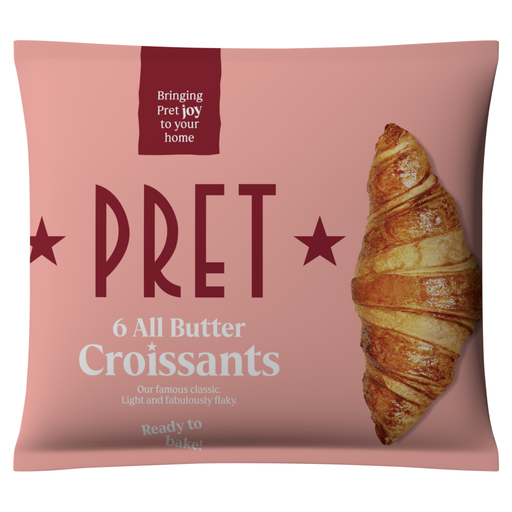
Pret A Manger Butter Croissants 330g

Pret A Manger Butter Croissants 330g

A frozen option for serving warm croissants at afternoon tea when sourdough is optional.

Stated to contain 24% French-sourced butter, with slow fermentation and baking from frozen in 20 minutes.

Keep frozen at -18°C or colder. It is not described as a sourdough croissant and contains wheat/gluten, milk and egg; it may contain nuts, sesame and soya.

Joybuy

Frequently asked questions

Does “sourdough croissant” guarantee that no commercial yeast was used?

No. The UK Government said in August 2024 that there were no current plans for a legal definition specifically covering “sourdough”. If starter-only fermentation matters to you, ask the bakery about its leavening method rather than relying on the product name alone.

What allergens should I check before serving croissants at afternoon tea?

Check the current packaging or bakery allergen information for each exact product. The cited butter sourdough croissant lists gluten, milk and eggs, while the cited frozen all-butter croissant lists wheat/gluten, milk and egg and may contain nuts, sesame and soya.

Can a frozen croissant work for afternoon tea?

Yes, if you have freezer space and enough oven time. The Pret all-butter croissants sold through Joybuy are stated to bake from frozen in 20 minutes and should be kept at -18°C or colder; follow the pack instruction not to refreeze after thawing.

Should I assume supermarket all-butter croissants are sourdough?

No. Tesco, Sainsbury's, Waitrose and M&S category pages list all-butter croissants, but those listings do not verify that the products are sourdough. Treat all-butter and sourdough as separate selection attributes unless the exact product page says otherwise.