Hosts serving bread alongside a roast
Decide whether you want a plain side or a distinct garlic-and-coriander flavour, then plan when the bread needs warming.


Choose plain naan when you want a relatively neutral bread side, garlic-and-coriander naan when those flavours suit the roast, or a sourdough loaf when sourdough character matters more than naan’s format. If you specifically want sourdough naan, look for that claim on the exact pack rather than treating fermented wheat flour as proof; check the heating and allergen information before serving.
Decide whether you want a plain side or a distinct garlic-and-coriander flavour, then plan when the bread needs warming.
Check whether the sourdough claim applies to the bread you are buying. A sourdough loaf offers a different serving format from naan.
Check the current pack’s ingredients, allergen declaration and precautionary statements for every bread you intend to serve.
Settle the bread format and flavour first, then check the pack against your serving plan and guests’ requirements.
Choose when: You want naan alongside the roast without adding a garlic-and-coriander flavour.
Bear in mind: A conventional plain naan should not be treated as sourdough without an explicit claim on that product.
Choose when: Both flavours fit the roast menu and the preferences of those eating it.
Bear in mind: Its flavour makes it a different accompaniment from plain naan, not a sourdough alternative.
Choose when: An explicitly sourdough bread matters more to you than the naan format. M&S describes a tangy flavour in its separate sourdough range.
Bear in mind: A loaf or baguette is not a like-for-like naan side; check its own ingredients and allergens.
| Priority | What to check | Your needs |
|---|---|---|
| Sourdough identity | Read the exact product name and description. Check that any sourdough claim applies to the naan itself, rather than to another bread in the range. | If I’m buying for sourdough character, I want the specific bread I serve to be labelled accordingly. |
| Serving plan | Check the pack count, storage directions and heating instructions for the bread’s condition, including whether it is frozen. | I want enough bread for the table and a warming step I can fit around the roast. |
| Flavour | Compare plain and flavoured varieties by their named ingredients; a sweet filled naan is another distinct option. | Garlic and coriander might suit my menu, but I may prefer a plainer side. |
| Allergens | Read the current ingredient list, allergen declaration and any precautionary statements on each pack. | When guests have food allergies, I need to check the particular bread being served rather than rely on its category or dietary wording. |
Tesco lists fermented wheat flour and yeast in its plain naan, while M&S presents sourdough as a separate bread range. The ingredient alone does not identify the naan as sourdough.
If sourdough is the point of the purchase, check for an explicit claim on the exact naan. Otherwise, decide whether you would rather serve conventional naan or a sourdough loaf.
Garlic-and-coriander and sweet peshwari naans add different flavours to the meal; neither is simply a plain bread side.
Choose the variety against the dishes and guests you are serving, rather than treating all naan flavours as interchangeable.
Heating and storage directions can differ according to the product and whether it has been frozen.
Read the pack before meal prep, allow time and oven space for its instructions, and follow any directions about thawing or refreezing.
Ocado’s listing for Patak’s Plain Naan Breads includes a wheat declaration and precautionary statements for milk, nuts and peanuts. Dietary wording cannot replace the allergen details for an individual product.
Check the current pack’s full ingredient and allergen information before serving it to a guest with an allergy.
Tesco’s Plain Naan Bread 2 Pack is an example of a conventional plain naan.
M&S presents naan and sourdough bread as distinct ranges.
Lidl’s Seeded Sourdough Loaf is a loaf option for shoppers choosing sourdough bread rather than naan.
These Humza options cover plain and garlic-and-coriander naan in two pack sizes for serving alongside a roast. If sourdough naan is essential, check the exact product’s claim before choosing; these titles do not identify a sourdough variety.
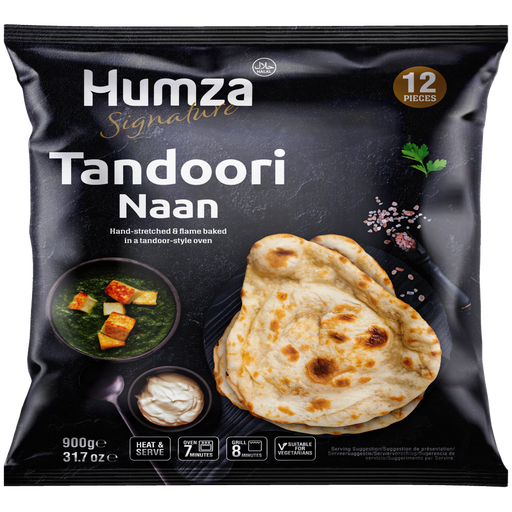 Image unavailable
A plain option when you want naan alongside the roast without a garlic-and-coriander flavour. The pack contains 12 pieces; check its heating instructions and allergen label before serving.
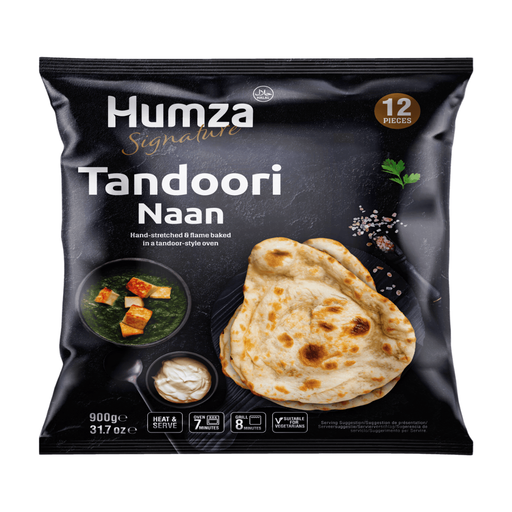 Image unavailable
A four-piece plain tandoori naan pack for a smaller serving plan. Check the number of diners, the pack’s heating directions and its allergen information.
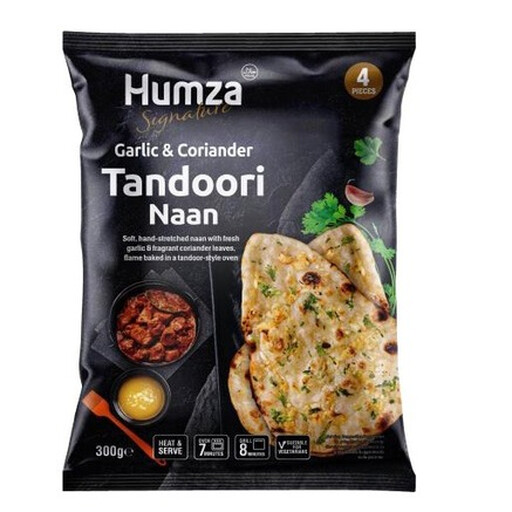 Image unavailable
Choose the garlic-and-coriander flavour if it fits your roast menu and guests’ preferences. This family pack contains 12 pieces; check the current ingredients, allergens and heating directions.
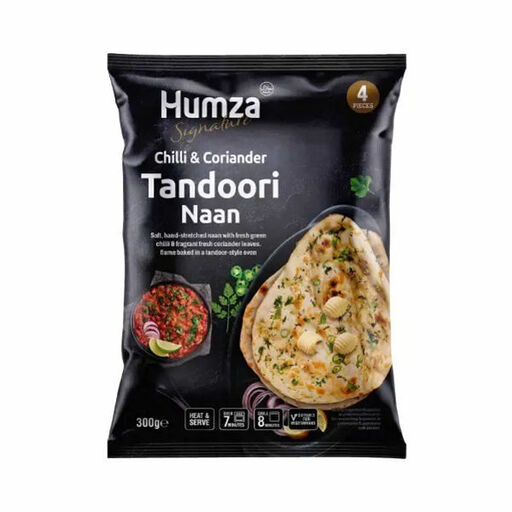 Image unavailable
A four-piece tandoori naan pack for a meal where garlic and coriander suit the other dishes. Check whether four pieces cover your table, then read the heating and allergen information.
Not by itself. Tesco’s plain naan lists fermented wheat flour and yeast but is sold as plain naan; check whether the exact naan you intend to buy carries an explicit sourdough claim.
Follow the directions for the specific pack. Tesco gives frozen-heating instructions for its plain naan, while M&S provides freezing, defrosting and refreezing directions for its mini plain naans; do not transfer one product’s directions to another.
Read the current pack’s ingredients, allergen declaration and precautionary statements for that particular naan. The Food Standards Agency’s allergen guidance requires food businesses to provide allergen information, but suitability for a guest depends on the product and the allergy concerned.
Check the physical or delivered pack as well. M&S advises shoppers to read the label because product ingredients and allergen information can change.