Small-kitchen sourdough regular
If you usually toast one or two slices, look for a toaster that accepts your thicker bread without taking up more worktop space than you can spare.


If you normally toast one or two slices, start with a two-slice toaster that fits the height, length and thickness of your usual sourdough, then check its footprint against your worktop. Consider a long slot for long-cut bread or a deeper chassis for tall slices; a “wide slot” label alone does not settle either question.
If you usually toast one or two slices, look for a toaster that accepts your thicker bread without taking up more worktop space than you can spare.
If your slices are often long, tall or unevenly cut, slot length and usable depth matter as well as width.
If your loaves vary in thickness or moisture, adjustable browning and a way to check progress may matter more to you than extra capacity.
Measure the sourdough you toast most often, then check whether a toaster that fits it will also fit your worktop. Slot shape, appliance footprint and browning controls answer different parts of that decision.
| Concern | What to check | Who this matters to |
|---|---|---|
| Sourdough fit | Compare your usual slice with the stated slot width, length and usable depth. Long cuts and tall cuts call for different dimensions. | If my artisan slices protrude from an ordinary slot, fitting the bread matters more than adding settings. Roughly 33% of consumers put sourdough fit first. |
| Worktop space | Measure the toaster’s external width and depth and allow room to use the lever and reach the plug. | When I usually make one or two slices, I want the appliance to earn its place on a limited worktop. For roughly 33% of consumers, space is the primary concern. |
| Browning control | Look for adjustable browning; check whether you can inspect toast during a cycle if that matters to you. | I switch between thick, moist slices and thinner bread, so one familiar dial setting may not suit both. Browning control comes first for around 20% of consumers. |
| Crumbs and safe handling | Check for a removable crumb tray and plan how you will clear trapped bread with the toaster unplugged. | With frequent use, I want crumb removal and stuck-toast handling to be straightforward. Around 14% of consumers prioritise cleaning and safe handling. |
A wide slot addresses slice thickness, but a long or tall piece of sourdough may still protrude.
Measure the bread you buy most often. Compare its length with long-slot designs and its height with deeper-chassis designs.
Slot layout can affect the appliance’s footprint, so slice capacity does not tell you whether it will fit your worktop.
Check the external dimensions against the space available, including room to operate the lever and reach the plug.
Breville advises that dry or thin slices toast more quickly than moist or thick ones. A setting that suits one loaf may not suit another.
Adjust the browning control for the bread you are using, and check progress during the cycle if the toaster has that feature.
Electrical Safety First warns against using metal cutlery to retrieve stuck toast and recommends frequent crumb-tray cleaning to help prevent fire.
Unplug the toaster before freeing bread, use wooden tongs, and clean the crumb tray regularly.
Its Long Slot Lite is worth examining when slice length is your main fit problem.
The Edge VTT981 offers a conventional two-slice format aimed at tall and thick bread.
Its two-slice range includes both extra-wide conventional slots and an extra-long-slot option.
The SimpliTouch XL RBT2200U is a two-slice option for shoppers comparing larger slots and shade controls.
These choices include wide-slot two-slice toasters for thicker bread, a four-slice alternative for greater capacity and a two-slice model to assess against your own bread measurements. Check slot dimensions and worktop space before choosing: two-slice capacity or a wide-slot description does not establish that a long or tall sourdough slice will fit.
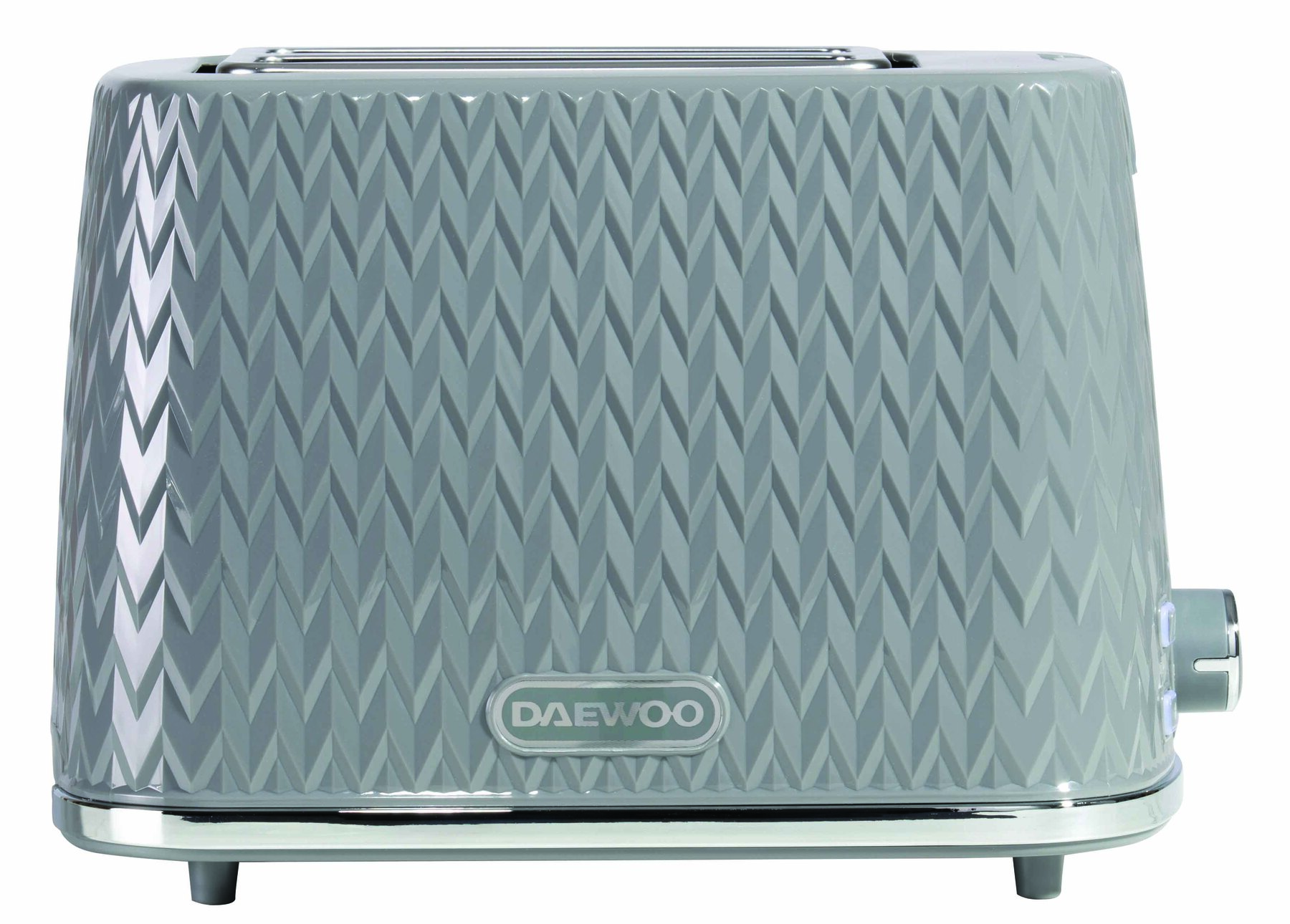 No image available
Consider this wide-slot option if you usually toast one or two thicker slices. Compare its slot length and depth with your sourdough, and its external dimensions with your worktop.
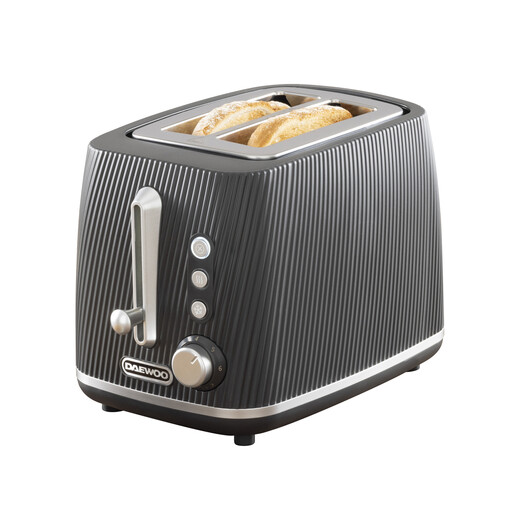 No image available
Its wide-slot two-slice format is a choice to assess for thicker sourdough. Check slot length and usable depth for your usual slices, as well as the appliance’s worktop footprint.
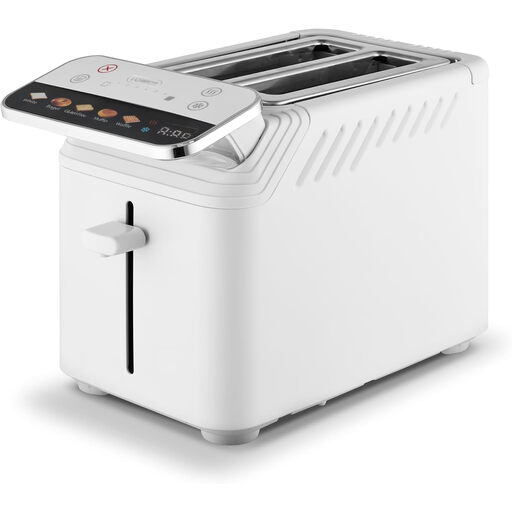 No image available
Consider the extra-wide slots if thickness is your main concern, but check whether your longer or taller slices fit. The product name also specifies a memory function, bagel and gluten-free settings, and a 925 W rating; check the external dimensions for your worktop.
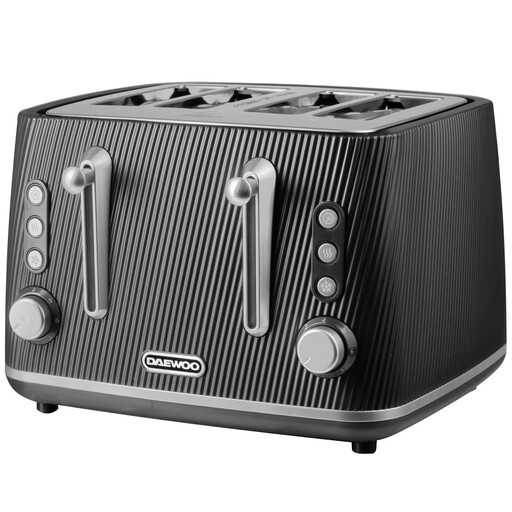 No image available
Consider four-slice capacity if you regularly make more toast at once and have room for the appliance. Its wide-slot description does not establish the length or depth available for sourdough; check those measurements and the external footprint.
 No image available
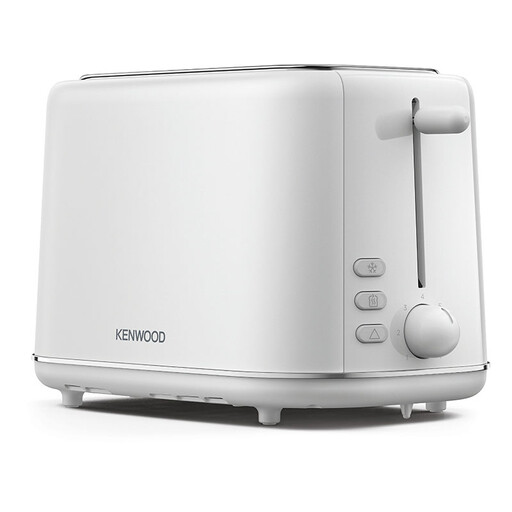
This two-slice model may suit low-volume use if its slots fit your usual sourdough. Confirm the slot width, length and depth for your bread, then check its dimensions against your available worktop.
No. Width helps with thick bread, but long or tall slices can still protrude. Compare your usual slice with the stated slot length and usable depth as well as its width.
Adjust the setting to the loaf rather than relying on one setting every time. Breville advises a lower setting for dry or thin slices and a higher one for moist or thick slices; a progress-check feature can help you inspect the toast during a cycle if your model has one.
Unplug the toaster before trying to free the bread. Electrical Safety First advises using wooden tongs rather than metal cutlery and cleaning the crumb tray frequently.