Sourdough-curious snack makers
If the word “sourdough” matters to your choice, distinguish a tortilla containing a sourdough ingredient from a flatbread sold as sourdough. The product type and ingredient list answer different questions.


For a tortilla containing sourdough, Mission’s four-pack is a documented option, but its listed 2.6% rye sourdough is inactive; the ingredient does not establish how the finished wrap was fermented. Deli Kitchen offers a wheat-and-rye sourdough flatbread instead, while a plain mini tortilla suits a smaller snack when sourdough is optional. Neither wheat-and-rye product is a gluten-free choice.
If the word “sourdough” matters to your choice, distinguish a tortilla containing a sourdough ingredient from a flatbread sold as sourdough. The product type and ingredient list answer different questions.
A mini tortilla gives you a smaller base for one snack when the portion matters more than choosing sourdough.
Mission’s sourdough tortilla and Deli Kitchen’s sourdough flatbread contain wheat and rye. Look for a specifically labelled gluten-free tortilla, and check the current pack and fillings.
Start with the type of bread you want, then compare the size, ingredients and opened-pack instructions against the snacks you plan to make.
| Priority | What to check | Your needs |
|---|---|---|
| Sourdough and format | Read both the product name and ingredients. Mission’s four-pack is a wheat tortilla made with 2.6% inactive rye sourdough, according to Tesco Groceries and Mission Wraps UK. Tesco lists Deli Kitchen’s wheat-and-rye sourdough product as a flatbread, not a tortilla. | I want a tortilla that contains sourdough; if a flatbread to top or fold works just as well, that is another option. The sourdough ingredient alone does not tell me how the finished tortilla was fermented. |
| Snack size | Compare the number of pieces and the stated weight per piece. The product information describes Mission’s wraps as approximately 61 g each and Sainsbury’s mini tortillas as approximately 30 g each. Compare nutrition figures on the same per-wrap or per-100 g basis. | For one small snack, I may prefer a mini base; for a larger filled wrap, I would check whether one standard tortilla fits what I plan to make. |
| Gluten | Check the current ingredient and allergen information for the wrap and fillings. Mission’s sourdough tortillas and Deli Kitchen’s flatbreads contain wheat and rye. Old El Paso separately lists a gluten-free tortilla made with tapioca, corn and quinoa. | If I need to avoid gluten, I cannot use “sourdough” as a shortcut for suitability. I need to check the particular gluten-free-labelled product I buy. |
| Opened-pack storage | Check the instructions on the pack you buy. Mission’s product information says to reseal and use within two days of opening; Deli Kitchen’s says to transfer the flatbreads to an airtight container and consume within 24 hours. | When I am making snacks for one, I want a pack I can use within its stated opened-pack period. |
Mission lists 2.6% inactive rye sourdough as an ingredient. That tells you what is in the tortilla, not how long the finished wrap was fermented.
Check the ingredient declaration and product type rather than treating a sourdough-containing tortilla and a sourdough flatbread as interchangeable.
The documented Mission tortilla and Deli Kitchen flatbread both contain wheat and rye.
If gluten avoidance is necessary, choose a specifically labelled gluten-free product and check its current pack and any fillings.
The stated after-opening periods differ: two days for Mission’s wraps and 24 hours for Deli Kitchen’s flatbreads.
Compare the number of pieces with the snacks you plan to make, then follow the storage instructions on the pack.
These product examples show different wrap and flatbread formats; they do not imply that each brand makes a sourdough tortilla.
Its documented four-pack is a wheat tortilla made with rye sourdough.
Its documented wheat-and-rye sourdough product is a flatbread that can be topped or folded.
Its documented eight-pack of plain mini wheat tortillas offers a smaller base for a snack.
Its UK range includes distinct gluten-free and extra-thin wheat tortilla products.
Its documented tortilla range includes mini, seeded and wholemeal formats for choosing by size or grain type.
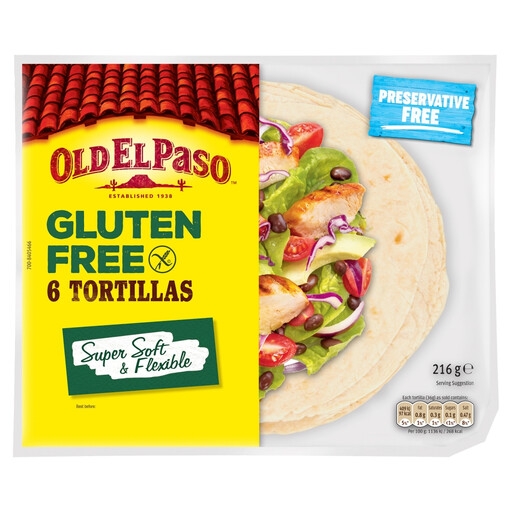
The Joybuy option shown here is a gluten-free-labelled tortilla for an elevenses wrap when sourdough is not the deciding ingredient.
 No image available
A gluten-free-labelled tortilla option for a filled elevenses wrap rather than a sourdough choice. The pack is labelled 216g; check its current ingredients, allergen information and storage directions before use.
Mission presents heating its sourdough wraps as optional. If you want one warm, follow the preparation directions on the pack you bought; check any filling’s preparation requirements separately.
Follow the specific product’s instructions: Mission says to reseal its sourdough wraps and use them within two days of opening, while Deli Kitchen says to put its sourdough flatbreads in an airtight container and consume them within 24 hours. Check the pack for its best-before date.
No. Food Standards Scotland explains that a best-before date concerns quality, whereas a use-by date concerns safety. Follow storage instructions, and do not treat a wrap’s best-before date as extending the use-by date of a filling.
Not on the strength of the word “sourdough”: the documented Mission tortilla and Deli Kitchen flatbread contain wheat and rye. Choose a specifically labelled gluten-free alternative and check the current wrap and filling information for the allergens relevant to you.