Families choosing a soft lunchbox wrap
Mission Sourdough is a four-wrap, 245 g wheat product made with rye sourdough. It is an option for a child who can eat wheat and rye, rather than a gluten-free choice.


Mission Sourdough Wraps suit a packed lunch when the child can eat wheat and rye, wants a soft wrap and a four-wrap pack fits the household’s plans. Sourdough does not make this product gluten-free: choose a specifically labelled gluten-free wrap when gluten avoidance is required, and check the packet and the school’s allergy arrangements. If fibre per wrap is the priority, Mission High Fibre lists 10 g per wrap against 1.2 g for Mission Sourdough, but it also contains wheat and gluten.
Mission Sourdough is a four-wrap, 245 g wheat product made with rye sourdough. It is an option for a child who can eat wheat and rye, rather than a gluten-free choice.
For the two specific Mission products, the retailer listings give 10 g fibre per High Fibre wrap and 1.2 g per Sourdough wrap. Both contain wheat and gluten, so fibre is not the deciding factor where those ingredients must be avoided.
Look for a specifically labelled gluten-free wrap instead of relying on the word “sourdough”. Check the current packet’s ingredients and precautionary allergen information, as well as the school’s arrangements for packed lunches.
Start with the child’s dietary requirements and the school’s arrangements, then compare the exact wraps by portion, nutrition and opened-pack instructions.
| Priority | What to check | Your needs |
|---|---|---|
| Allergens | Read the current ingredients and precautionary allergen statement. Mission Sourdough contains wheat and rye; check the individual school’s allergy arrangements before packing a new food. | If gluten must be avoided, I need a specifically labelled gluten-free wrap, not a sourdough wheat wrap. |
| Wrap format | Check the wrap size and count against the planned fillings and lunches. Mission Sourdough contains four wraps of approximately 61 g each; a product description of softness is not a guarantee that every filling will travel well. | A wrap my child is willing to eat, in a portion that fits the lunchbox, matters more to me than the style name alone. |
| Fibre | Compare the same unit on the nutrition panels. Sainsbury’s lists 10 g fibre per approximately 61 g Mission High Fibre wrap and 1.2 g per approximately 61 g Mission Sourdough wrap; both contain gluten. | When fibre in the wrap is my priority and wheat is suitable, I want to compare the per-wrap figures rather than assume sourdough contains more. |
| Pack use | Count the lunches the pack will cover and read its storage instructions. The Sainsbury’s listing says to re-close Mission Sourdough after opening, keep it cool and dry, and use it within two days. | If I am making only a few wraps this week, I want a pack I can use within its stated opened-pack period. |
| Filled-lunch storage | Check the filling’s storage requirements and whether chilled storage is available at school. Raysfield Infant School advises considering an insulated bag and ice pack when a lunchbox will not be refrigerated. | For a wrap prepared ahead with a perishable filling, I need a way to keep the filled lunch chilled until it is eaten. |
Mission Sourdough is made with wheat and rye, so its name does not establish suitability for a child who must avoid gluten.
Choose a specifically labelled gluten-free product when required, and check the packet’s current ingredients and precautionary allergen statement before packing it.
The retailer listings give 1.2 g fibre per Mission Sourdough wrap and 10 g per Mission High Fibre wrap. These are figures for two particular products, not for every wrap of either type.
Compare the per-wrap panels of the products you are considering; Mission High Fibre still contains wheat and gluten.
A four-wrap pack may cover fewer lunches than expected if some wraps are needed for other meals. The Sainsbury’s listing instructs shoppers to use Mission Sourdough within two days of opening.
Plan when you will fill the wraps and follow the storage instructions on the packet in hand.
England’s Department for Education guidance discusses school allergy-safety policies and active allergen management; it does not make an individual school’s packed-lunch arrangements interchangeable with another’s.
Read the school’s current packed-lunch and allergy information. Where a child has an individual allergy or medical plan, follow the arrangements agreed for that child.
These references help distinguish wrap types and product lines; a brand name alone does not establish a particular wrap’s ingredients or suitability.
Mission offers the wheat-and-rye Sourdough wrap and a separate High Fibre wheat wrap, making the exact product name important when comparing the two.
Old El Paso has regular and large gluten-free tortilla products; check which size and pack you are buying.
BFree describes its Soft White Wraps as a gluten-free option.
Sainsbury’s wrap listings provide a point of comparison for plain and wholemeal own-label packs alongside the Mission products.
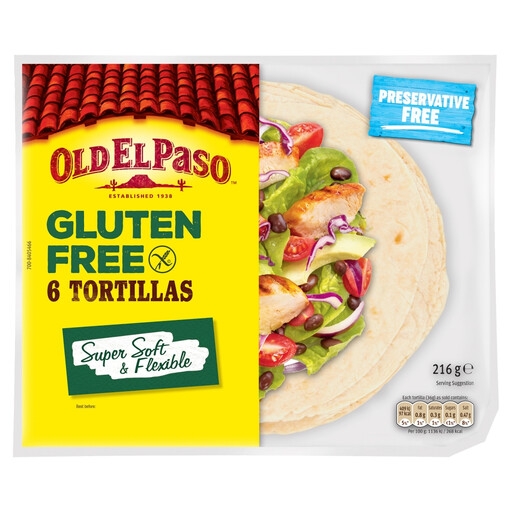
This tortilla is an alternative for a packed lunch that requires a gluten-free wrap. It is not a sourdough wrap; check its own packet and the school’s arrangements before choosing it for a child’s lunch.
 No image available
A labelled gluten-free tortilla option to consider instead of a wheat-and-rye sourdough wrap. The Joybuy product information says it may contain traces of other allergens due to shared equipment, so check the physical packet against the child’s requirements.
No. The UK product listings describe wheat wraps made with rye sourdough. If a child needs to avoid gluten, choose a specifically labelled gluten-free product and check its current packet.
Check the individual school’s current packed-lunch and allergy arrangements, particularly where a pupil has a known allergy. England’s Department for Education guidance addresses published allergy-safety policies and active management of allergen risks; it does not replace the school’s arrangements for a particular child.
The Sainsbury’s product listing says to re-close the pack, store it in a cool, dry place and use it within two days of opening. Follow the instructions on the packet you buy if they differ.
That depends on the filling and how the lunch will be stored. St. David’s High School’s lunchbox guidance says to refrigerate food prepared the night before and use a frozen ice pack in the morning; check the filling’s instructions and the school’s storage arrangements.