Hotel breakfast managers seeking an artisan upgrade
For managers considering sourdough croissants to differentiate a buffet, while needing verified product identity and dependable service specifications rather than a general sourdough bakery claim.


Choose a sourdough croissant only when the supplier confirms that the exact croissant uses a sourdough formulation and can provide current ingredient, allergen, storage and service details. For variable breakfast covers, frozen ready-to-bake all-butter croissants can be a practical route when the hotel has suitable freezer and oven capacity; retail packs should not be treated as proof of buffet-scale supply.
For managers considering sourdough croissants to differentiate a buffet, while needing verified product identity and dependable service specifications rather than a general sourdough bakery claim.
For operations needing croissants that can be supplied and baked in quantities matched to breakfast demand. Frozen ready-to-bake croissants are a hospitality-focused format offered by foodservice suppliers.
For teams serving loose or non-prepacked croissants who need allergen information available to guests and supplier details for the exact product served.
Choose it when: the hotel wants an artisan-led breakfast offer and the supplier confirms the exact croissant’s sourdough process, ingredients, allergens, shelf life, delivery schedule and production capacity.
Trade-off: a sourdough claim elsewhere in a bakery range does not establish that the croissant itself is sourdough.
Choose it when: breakfast covers vary and the hotel can bake smaller batches through service to maintain availability.
Trade-off: freezer space, oven capacity, documented bake procedures and consistent staff preparation are required.
Choose it when: the hotel needs a low-volume trial, emergency top-up or a solution for a property without bake-off equipment.
Trade-off: consumer listings do not establish recurring hotel delivery, buffet replenishment capacity or a sourdough formulation.
| Priority | What to check | Your needs |
|---|---|---|
| Sourdough authenticity | Ask for the exact croissant specification, ingredient list and written supplier confirmation. Check that any starter or sourdough claim applies to the supplied croissant, not a separate bread range. | I need buffet wording that accurately describes the pastry being served, rather than relying on a brand’s wider bakery range. |
| Freshness and volume control | Compare frozen storage requirements, oven capacity, bake instructions, pack size and unit weight on the same delivery basis. Confirm whether timed batch baking fits the breakfast service pattern. | I want to replenish the buffet through service without baking more than the team can handle at one time. |
| Allergen information | Keep current ingredient and allergen specifications for the exact item. Make guest-facing allergen information accessible and update it when the product, recipe or supplier changes. | Guests need accurate information for the croissant currently on display. The Food Standards Agency requires allergen information for both prepacked and non-prepacked food and drink in retail and catering. |
| Supply-channel fit | Check delivered pack format, minimum order, lead time, freezer space, trade ordering and substitution arrangements. Do not assume a consumer retail listing demonstrates recurring hotel supply. | I need a supply arrangement that can support regular breakfast volumes, not simply a small pack for occasional use. |
M&S, Waitrose and Lidl show sourdough bread separately from their all-butter croissant ranges. Using an unsupported sourdough description can mislead guests and leaves the hotel unable to substantiate buffet wording.
Request the exact croissant specification and keep the supplier’s current written confirmation before using the word “sourdough” in guest-facing material.
Retail listings show consumer-pack availability, not recurring foodservice delivery, bake-off scheduling or volume resilience. Frozen croissants are specifically marketed by foodservice suppliers for hospitality use.
For regular buffet service, compare suppliers on delivered pack size, unit weight, freezer space, bake time, minimum order, lead time and substitution policy.
Croissants commonly contain major allergens, and loose buffet food still requires allergen information to be available to consumers. Recipes, cross-contact statements and suppliers can change.
Use the latest supplier specification for the exact item on display, train breakfast staff to locate it, and update buffet allergen information whenever the product or recipe changes.
Consumer retail bakery range with in-store all-butter croissants and separate sourdough bread products.
Premium tier within Tesco’s consumer grocery croissant range.
Consumer grocery croissant range including Taste the Difference butter croissants and standard all-butter packs.
Consumer grocery and in-store bakery range with standard and No.1 butter croissants.
In-store bakery retailer with an all-butter croissant and separate sourdough loaf products.
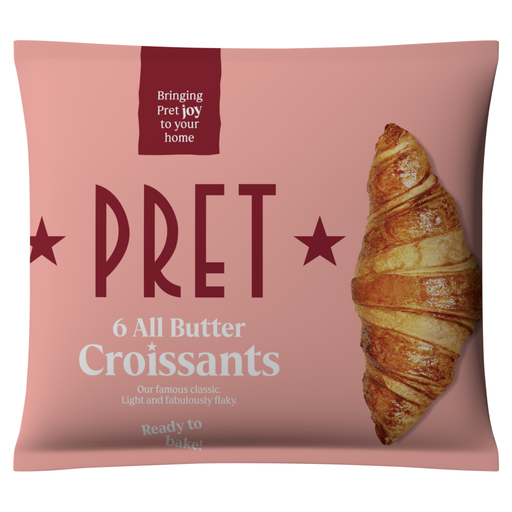
Joybuy product options for frozen croissants that may suit timed breakfast baking where appropriate freezer storage and oven capacity are available. None of the listed products should be described as sourdough without supplier confirmation for the exact croissant.
 No image available
A frozen bake-from-frozen option for timed batch baking where freezer and oven capacity are available.
Listed details include 24% butter, storage at -18°C or below and a stated 20-minute bake process.
Not described as sourdough. The allergen declaration includes wheat/gluten, milk and egg, with possible nuts, sesame and soya; confirm case quantities and delivery arrangements before regular buffet use.
 No image available
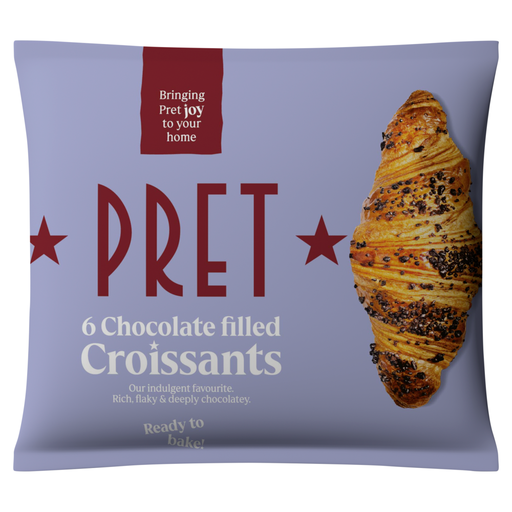
A frozen chocolate pastry option for a buffet seeking a sweeter secondary choice alongside plain croissants.
Listed details include six chocolate-filled and topped butter croissants, storage at -18°C and stated 22-minute oven instructions.
This is not a substitute for a verified sourdough or standard plain all-butter croissant where either is the intended specification. The allergen declaration includes wheat/gluten, milk, egg and soya, and states that it is unsuitable for nut and sesame allergy sufferers.
 No image available
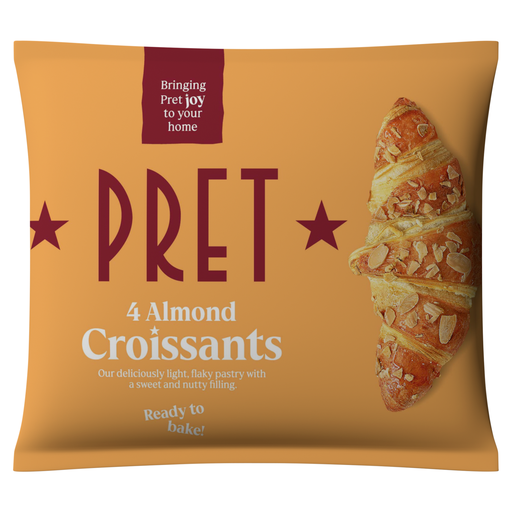
A frozen almond pastry option for hotels that want a differentiated sweet-pastry selection.
Listed details include butter, almond filling, flaked almonds, storage at -18°C or below and bake-from-frozen preparation.
Not described as sourdough. The allergen declaration includes wheat/gluten, milk, egg and almonds, with possible other nuts, sesame and soya; confirm bake timing, case format and delivery arrangements before regular buffet use.
No. Use the term only after the supplier verifies that the exact croissant served has the relevant sourdough formulation or starter claim. Retailer pages can show sourdough bread ranges separately from croissant listings, so a brand-level sourdough association is not enough.
They can be suitable where the hotel has appropriate freezer storage, oven capacity and documented preparation controls. UK foodservice suppliers market frozen ready-to-bake croissants for hospitality and breakfast service, but obtain the exact bake instructions, pack size, allergens and delivery conditions before ordering.
Yes. The Food Standards Agency states that food business operators in retail and catering must provide allergen information for both prepacked and non-prepacked food and drink. Keep current supplier specifications for the exact croissant used, including any recipe or supplier change.
No. Do not infer allergen suitability from a sourdough claim. Verify the exact product’s ingredient and allergen information; Lidl’s listed All Butter Croissant, for example, identifies milk, wheat and egg allergens and states that traces of other allergens may be present.