Parents introducing family foods
If your baby is starting solids, consider readiness, the ingredients in the wrap and how you will serve it. NHS guidance places the start of solid foods at around six months.


A sourdough tortilla can be part of baby-led weaning once a baby is ready for solids, usually around six months, if wheat and rye are suitable and the wrap is served in a manageable form under supervision. Tesco lists Mission 4 Sourdough Wraps as wheat tortillas with 2.6% inactive rye sourdough and 0.49 g salt per approximately 61 g wrap: the sourdough name does not mean gluten-free, and the salt in the rest of the meal matters too.
If your baby is starting solids, consider readiness, the ingredients in the wrap and how you will serve it. NHS guidance places the start of solid foods at around six months.
A sourdough-labelled tortilla may suit a shared meal when its wheat and rye ingredients are appropriate. The label alone does not establish that it is gluten-free or intended specifically for babies.
Mission’s rye-sourdough wheat wrap is not a gluten-free choice. If gluten must be avoided, look for a product specifically labelled gluten-free and check its current pack.
Start with readiness and serving format, then compare the current allergen and salt information for the particular wrap you plan to use.
| Priority | What to check | Your needs and surveyed parents’ concerns |
|---|---|---|
| Starting solids | NHS guidance says solid foods usually start at around six months. Check your baby’s readiness rather than using the wrap’s softness as the deciding factor. | We are beginning family foods, and I want to establish whether a wrap is appropriate at this stage. |
| Serving texture | Consider the filled wrap’s size and texture and stay with your baby while they eat. NHS guidance distinguishes gagging from choking; a soft food does not remove choking risk. | I want to serve a portion my baby can manage. In an Office for Health Improvement and Disparities online survey of 1,000 parents in England with children aged 3–18 months, conducted 9–14 February 2022, 43% found it confusing when to progress through tastes and textures; this did not measure wrap safety. |
| Wheat and gluten | Read the current ingredients and allergen label. Tesco describes Mission 4 Sourdough Wraps as wheat tortillas with 2.6% inactive rye sourdough; choose a specifically labelled gluten-free product if gluten avoidance is required. | If wheat, rye or gluten is a concern in our household, I need to check the actual product rather than rely on the word “sourdough”. |
| Salt | Compare salt per wrap as well as per 100 g, and include fillings and sauces in the meal. Tesco lists 0.49 g salt per approximately 61 g Mission Sourdough Wrap; NHS advice is not to add salt to babies’ food. | I want to know how much salt the wrap and its fillings bring to the meal, not just compare pack sizes. |
| Type of wrap | If sourdough flavour is not important, compare standard or wholemeal wraps on their own labels. ASDA lists 0.55 g salt per Wholemeal Wrap; M&S lists 0.93 g per 100 g for its Wholemeal Tortilla Wraps. Those figures use different serving bases. | A wholemeal or larger-pack wrap may fit our family meals, but I still need to check its gluten ingredients, salt and serving format. |
Tesco describes Mission’s sourdough product as a wheat tortilla made with rye sourdough. The sourdough ingredient does not make it suitable when wheat, rye or gluten must be avoided.
Check the current allergen label and choose a product specifically labelled gluten-free when required.
Tesco lists 0.49 g salt per approximately 61 g Mission Sourdough Wrap, before fillings or sauces. NHS advice is that babies should not eat much salt.
Compare the salt per wrap and consider the whole meal; do not add salt to food prepared for your baby.
A soft wrap is not a guarantee against choking. NHS guidance explains that gagging and choking are different.
Serve a manageable portion, stay with your baby while they eat and familiarise yourself with NHS choking guidance.
When a choice depends on particular ingredients or salt values, the information on the pack being served is the relevant detail.
Check its ingredients, allergen declaration and nutrition label before serving.
Mission 4 Sourdough Wraps are wheat tortillas made with rye sourdough, as described by Tesco.
Old El Paso lists separate regular wheat-flour and gluten-free tortilla products.
ASDA’s 8 Wholemeal Wraps are a wheat-based wholemeal alternative to a sourdough-labelled wrap.
M&S describes its Wholemeal Tortilla Wraps as made with a blend of white and wholemeal flour.
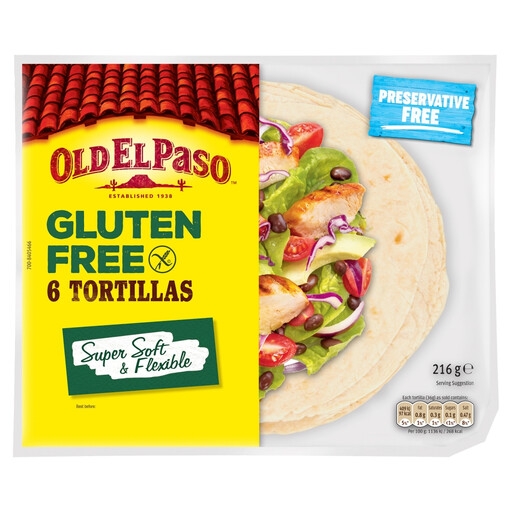
This gluten-free tortilla is an alternative to consider when a wheat-and-rye sourdough wrap does not meet a gluten requirement.
 No image available
A gluten-free tortilla option rather than a wheat-and-rye sourdough wrap. Check the pack’s ingredients, salt per wrap and serving instructions when planning a portion for your baby.
A wrap can be considered once your baby is ready for solids, usually around six months according to the NHS, provided its ingredients are suitable. Serve it in a manageable form and supervise eating; if your baby was born prematurely or has additional health needs, University Hospitals Coventry and Warwickshire NHS Trust advises seeking advice from a dietitian or doctor about starting solids.
Not necessarily. Tesco describes Mission 4 Sourdough Wraps as wheat tortillas made with rye sourdough, and Sainsbury’s flags cereals containing gluten. If gluten must be avoided, check for a specifically labelled gluten-free product rather than relying on “sourdough”.
Tesco lists 0.49 g salt per approximately 61 g wrap. Check the pack you buy and account for fillings and sauces too; NHS advice is not to add salt to babies’ food.
Check readiness for solids and the current ingredient and allergen label. NHS guidance says foods containing gluten, including wheat and rye, can be introduced from around six months, one at a time so a reaction can be recognised; ask a GP or health visitor for advice first if your baby has an existing allergy or eczema, or a relevant family history of allergic conditions.