
24/7 Customer Support

Free returns

Same-day & Next-day Delivery

Quality Guaranteed

Unlock Your Welcome Offers: FREE Delivery | Up to 80% OFF | Free 30-day JoyPlus trial
Download the APP
South African wine offers plenty of choice for UK drinkers, from fresh Sauvignon Blanc and tropical Chenin Blanc to structured Stellenbosch reds, dry rosé and sparkling styles. However, a wide range can make online shopping less straightforward than it appears.
Before ordering, watch for three common pitfalls:
The following guide focuses on the details that make a genuine difference when selecting South African wine for everyday drinking, entertaining or gifting.
The grape is a useful starting point, but it is not a complete description of the finished wine. Climate, region, winemaking and residual sweetness all influence the result.
Alcohol content matters for both taste and responsible consumption. A higher ABV can contribute to a fuller impression, while lighter wines may feel more refreshing.
A standard 75cl bottle at 13% ABV contains approximately 9.75 UK units, although the exact figure may vary slightly by product. The UK Chief Medical Officers advise that adults should not regularly exceed 14 units per week. Always check the bottle or product page because listings can contain errors, particularly where serving sizes have been copied from another product.
For example, the 64 Edge Western Cape Sauvignon Blanc is listed at 13% vol. and approximately 9.8 UK units per 75cl bottle. Kumala Chenin Blanc is listed at 11% ABV, making it a lighter alcohol option among the wines featured here.
Most South African wine 75cl listings refer to a standard 750ml bottle, but case deals require an additional check. Before paying, confirm:
Fresh whites and rosés are generally purchased for their youthful fruit and should be served chilled. The 64 Edge Sauvignon Blanc, for instance, is listed for serving at 8–10°C and is described as ready to drink young. A structured red such as Thelema Mountain Red 2020 should be kept in a cool, dark place away from direct sunlight and temperature fluctuations.
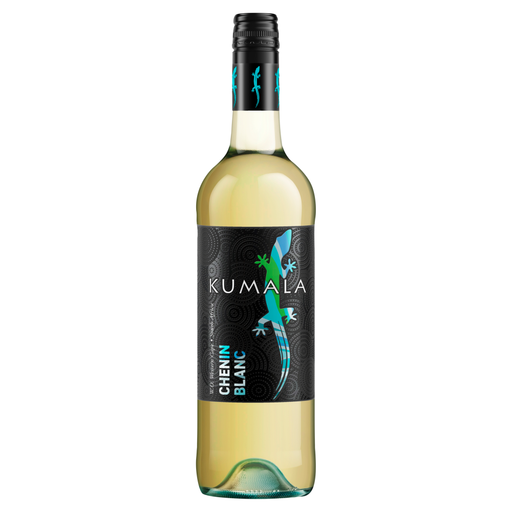
Why This Fits Their Persona: A practical entry point for shoppers who prefer fresh, fruity white wine for weeknight meals, barbecues or casual gatherings.
The listing specifies the grape, 11% ABV, sulphite allergen information and serving guidance rather than leaving the style unclear.
Tropical fruit, pear and green apple notes; listed as suitable for fish, chicken and vegetable dishes.
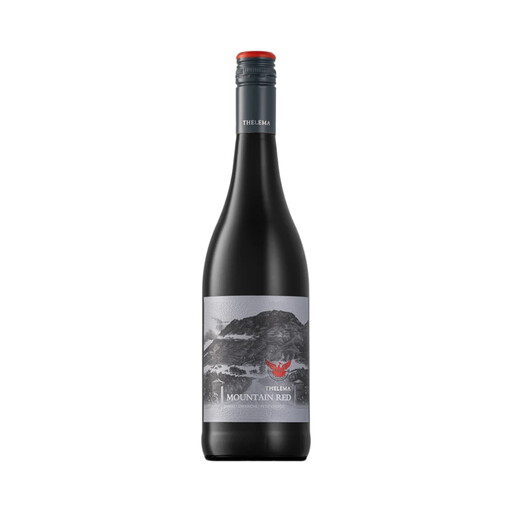
Why This Fits Their Persona: Suits shoppers seeking a more substantial Stellenbosch red wine for a dinner party, gifting or a special meal.
The blend composition, Stellenbosch origin, 14.5% ABV and 18-month oak ageing are stated, giving a clearer picture of its structure.
A Shiraz, Petit Verdot, Grenache and Cabernet Sauvignon blend with dark fruit, pepper and oak-related notes.
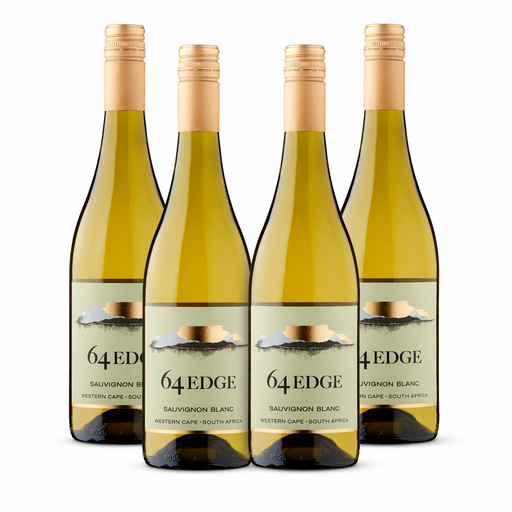
Why This Fits Their Persona: A useful option for hosts, regular white-wine drinkers and shoppers comparing wine case deals for gatherings.
The listing identifies the Western Cape origin, 75cl format, 13% ABV, sulphites and recommended 8–10°C serving temperature.
Citrus-led, refreshing and unoaked; pairs with seafood, salads, light poultry and falafel with feta.
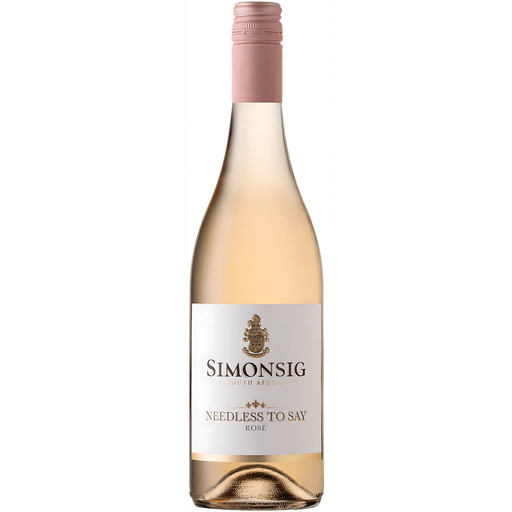
Why This Fits Their Persona: A flexible South African rosé wine for summer lunches, seafood platters, sharing plates and informal celebrations.
The product details specify its Chenin Blanc and Pinotage blend, dry style, 13.5% ABV and sulphite allergen information.
Strawberry, grapefruit and tropical fruit notes; suitable for vegans and vegetarians according to the listing.
We have compiled a complete, real-time list of products that fully satisfy these strict selection criteria and UK safety regulations.
Serve fresh whites and rosés chilled, but avoid over-chilling aromatic or fuller-bodied wines, as very low temperatures can reduce their aroma. Once opened, reseal the bottle and refrigerate white or rosé wine. Red wine should be kept away from radiators, bright windows and large temperature changes.
Check the product label for sulphites, which are a legally declared allergen in wine. Keep alcohol away from children, do not drink and drive, and only purchase or accept delivery if you are aged 18 or over.
It can be highly versatile, but the right match depends on the style. Sauvignon Blanc suits seafood, salads and lighter dishes; Chenin Blanc works with fish, poultry and vegetables; fuller Stellenbosch reds pair more naturally with grilled meats, stews and mature cheeses.
A case deal may reduce the cost per bottle, especially for planned entertaining, but compare the total bottle count, delivery charge, vintage and storage needs. A single bottle can be more economical if you are still discovering your preferred grape or style.
Fresh Sauvignon Blanc and rosé are generally bought for youthful character and are best enjoyed according to the label guidance. Structured reds and some fuller white blends may keep longer when stored in a cool, dark and stable environment. Once opened, refrigeration and a suitable stopper can help preserve freshness, but the wine is usually most enjoyable within a few days.