
24/7 Customer Support

Free returns

Same-day & Next-day Delivery

Quality Guaranteed

Unlock Your Welcome Offers: FREE Delivery | Up to 80% OFF | Free 30-day JoyPlus trial
Download the APP
South African wine offers a fantastic spectrum of styles and value, from crisp, sunny day whites to bold, complex reds. However, navigating the shelves to find a bottle that truly delivers can be tricky. With broad regional labels and unfamiliar grape varieties, it is easy to end up with a wine that does not meet your expectations.
As a Joybuy Product Recommendation Officer, my role is to help you sidestep common purchasing pitfalls. Many shoppers are caught out by vague labelling or overlook some of the country's most exciting offerings. This guide will break down the essential factors to consider, ensuring your next purchase is a confident one, whether you plan to buy South African wine online or in-store.
South African Sauvignon Blanc tastes the same is a common mistake. The country's diverse terroir—its climate, soil and topography—means a wine from the cool-climate region of Elgin will be vastly different from one grown in the warmer Robertson valley. The producer's reputation and the specific district, such as the renowned Stellenbosch wine region, are far better indicators of what is in the bottle.To make a smart choice, focus on these three practical parameters. They provide a much clearer picture of quality and style than the price tag or a flashy label alone.
Understanding the key regions is crucial. While "Western Cape" is a good starting point for everyday wines, drilling down provides more assurance.
South Africa excels with a wide range of grapes. Knowing what to expect from the main players helps you match a bottle to your taste.
South African red wine offerings are blends, often in the style of Bordeaux (Cabernet Sauvignon, Merlot) or the Rh?ne (Shiraz, Grenache, Mourvèdre).In wine, the producer's reputation is a reliable guide. Estates with a long history of quality, such as Thelema Mountain Vineyards or Simonsig Estate—the creators of the first Kaapse Vonkel—consistently deliver wines that reflect their terroir and winemaking philosophy. Looking for these established names can significantly reduce the risk of a disappointing purchase.
Here are a few recommendations matched to different needs, helping you apply the principles above to find a suitable bottle.
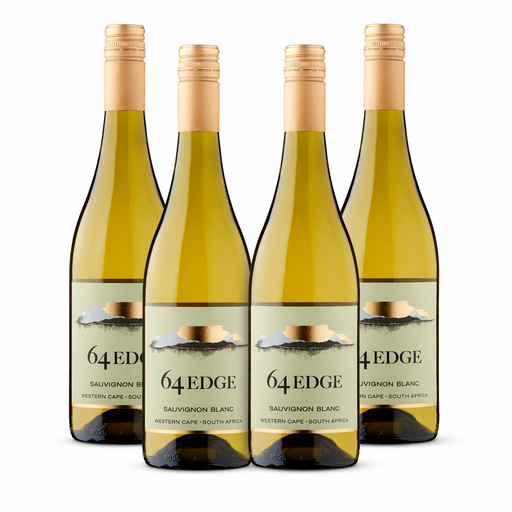
Why This Fits Their Persona: This is for the person who wants a reliable, refreshing white wine for weeknight dinners or having friends over, without breaking the bank. It's a crowd-pleasing style that pairs easily with salads, chicken or fish.
While it carries the broad "Western Cape" label, it delivers exactly what it promises: a classic, zesty Sauvignon Blanc. It avoids the trap of ambiguity by being a well-made, value-focused wine that is consistent and dependable.
Excellent value, especially as a South African wine case deal. Unoaked and fermented to preserve fresh, zesty citrus flavours and a clean, mineral finish.
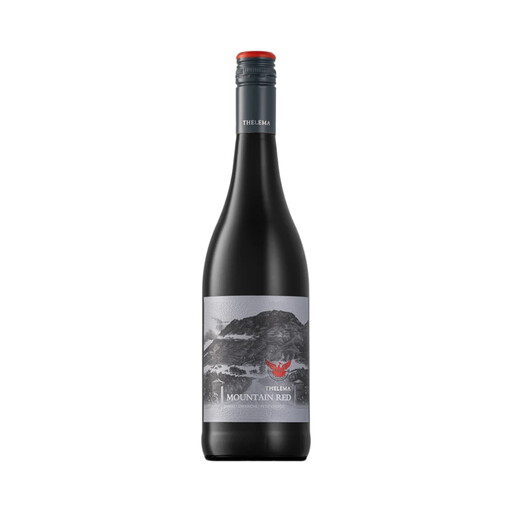
Why This Fits Their Persona: For the wine lover looking to explore premium South African red wine. This is a sophisticated choice for a nice dinner, pairing with grilled meats or stews or for cellaring for a few years.
This wine is the antithesis of a generic label. It proudly states its origin from the high-altitude slopes of the Simonsberg mountain in Stellenbosch, showcasing specific terroir and the quality of a top producer, Thelema.
A complex and elegant blend of Shiraz, Petit Verdot, Grenache and Cabernet Sauvignon. It offers layers of dark fruit, spice and a velvety texture from 18 months of oak ageing.
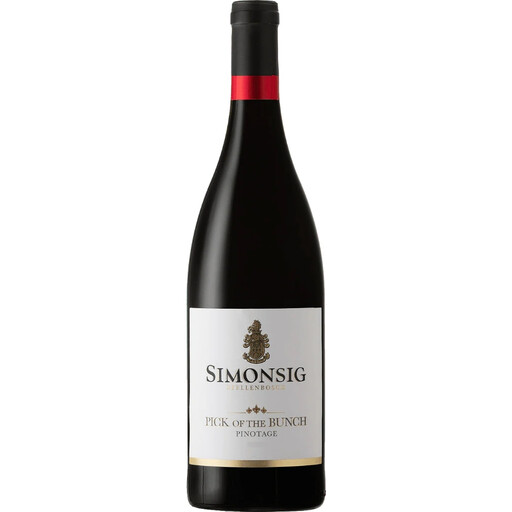
Why This Fits Their Persona: Perfect for someone who wants to try South Africa's signature grape. This is a modern, refined Pinotage that is great with a weekend barbecue, hearty stews or mushroom dishes.
This wine directly challenges the trap of overlooking Pinotage. By selecting a premium example from a pioneering Stellenbosch estate, it showcases the grape's potential for balance, rich fruit and smooth tannins, moving past outdated stereotypes.
A balanced and approachable expression of Pinotage with inviting aromas of ripe plum and dark berries, supported by smooth tannins. It's a versatile food wine from the respected Simonsig estate.
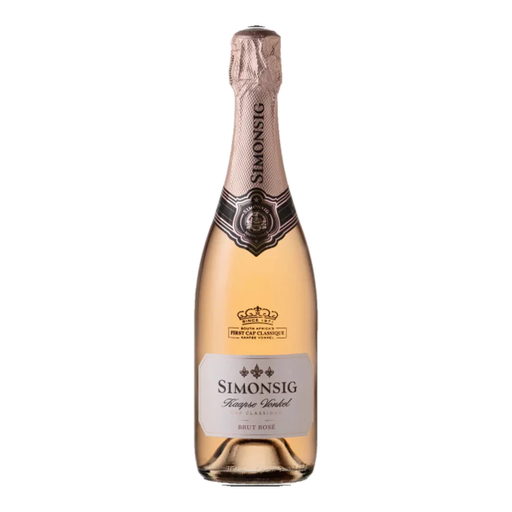
Why This Fits Their Persona: An excellent choice for celebrations, garden parties or as an impressive aperitif. This sparkling rosé is elegant, versatile with food and offers a point of difference from the usual Prosecco or Champagne.
This wine introduces you to Kaapse Vonkel, South Africa's premium traditional method sparkling wine. It avoids the trap of sticking to familiar fizz by showcasing a unique, high-quality style with a rich history.
Made by the originators of the style, this wine offers a polished and enjoyable experience with a lush palate and crisp finish. It's a versatile and reliable choice for any occasion.
We have compiled a complete, real-time list of products that fully satisfy these strict selection criteria and UK safety regulations.
"Western Cape" is a large, generic Geographical Unit that covers many different wine districts. A wine labelled "Western Cape" can be a blend of grapes from anywhere within this vast area. "Stellenbosch" is a much smaller, specific district within the Western Cape, renowned for its unique terroir and high concentration of premium wine estates. A Stellenbosch wine offers a clearer sense of place and is often of higher quality due to stricter production rules and a more defined regional character.
Yes, modern Pinotage is a very good wine. It has undergone a significant transformation over the past couple of decades. While it once had a reputation for being rustic or having a rubbery note, today's winemakers are crafting elegant, fruit-forward and well-balanced Pinotage wines. They typically show flavours of black cherry, plum and spice, with smooth tannins, making them excellent food partners, especially for grilled meats and rich sauces.
"Kaapse Vonkel" translates to "Cape Sparkle" and is the name given to South Africa's first Méthode Cap Classique (MCC) wine, created by Simonsig Estate in 1971. MCC is the term for South African sparkling wines made using the traditional method, the same process used to make Champagne, which involves a second fermentation in the bottle. It is a mark of high-quality sparkling wine.