
24/7 Customer Support

Free returns

Same-day & Next-day Delivery

Quality Guaranteed

Unlock Your Welcome Offers: FREE Delivery | Up to 80% OFF | Free 30-day JoyPlus trial
Download the APP
Navigating the world of plant-based milk can feel overwhelming. With so many options on the shelves, it is easy to pick a carton of soy milk that looks promising, only to be disappointed by the taste or discover it is not as straightforward as you thought. As a dairy-free milk alternative, soya milk offers a fantastic source of plant-based protein, but not all products are created equal.
Many shoppers find themselves caught in a few common traps. Firstly, the "healthy halo" effect, where a plant-based label masks a surprisingly high sugar content. Secondly, the flavour mismatch; the rich, distinct taste of traditional Asian soy milk can be unexpected for those accustomed to Western-style versions. Finally, there is the choice between convenience and control—the classic dilemma of ready-to-drink cartons versus versatile soy milk powder. This guide will help you understand these key differences so you can choose the right soy milk for your needs.
Before adding a product to your basket, a quick check of the packaging can save you from buyer's remorse. Focusing on a few core parameters will ensure you get exactly what you are looking for.
The sweetness level dramatically impacts the taste and nutritional profile of soy milk. It is crucial to look beyond the marketing claims on the front and check the Nutritional Information table on the back.
Your lifestyle and how you plan to use soy milk will determine whether a powder or a liquid format is more suitable.
The percentage of soybeans used in a recipe directly influences the richness and creaminess of the final product. A higher soybean content generally results in a more robust, full-bodied flavour. Traditional Asian soy milk is known for this distinct, nutty and beany taste, which is cherished as a comforting and authentic flavour. This profile is quite different from the more neutral-tasting soya milk often used as a direct dairy-free milk alternative in coffee shops across the UK. Being aware of this distinction is key to finding a product you will genuinely enjoy.
To help you make a confident choice, we have matched a few standout products to different needs and preferences.
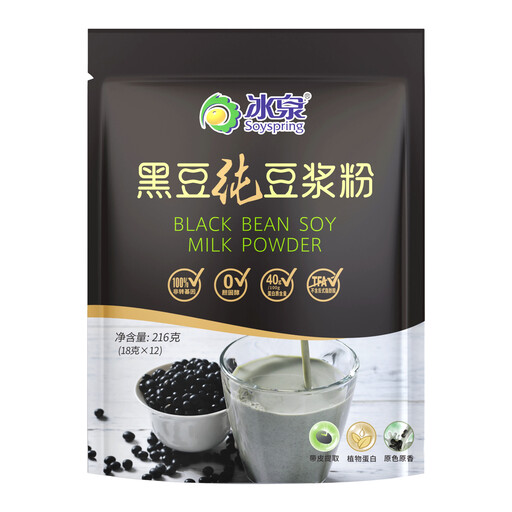
Why This Fits Their Persona: This is for the individual who wants complete control over their nutrition. It is ideal for adding a clean protein boost to smoothies, porridge or home-baked goods without any unwanted extras.
It directly counters the "hidden sugars" pitfall. With an ingredient list of just 100% black soybeans, there is no room for added sugars, syrups or artificial flavours.
An exceptionally high protein content (40g per 100g) and single-ingredient purity. The sachet format ensures freshness and easy portioning.
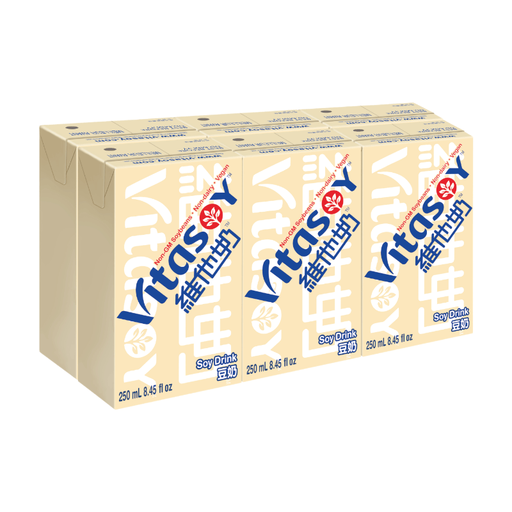
Why This Fits Their Persona: This is the quintessential grab-and-go drink. It is perfect for anyone with a busy schedule who needs a reliable, tasty and nourishing beverage for their commute, office or children's lunchbox.
It solves the "flavour mismatch" problem by being a benchmark for the classic Asian soy milk taste. You know exactly what you are getting: a smooth, creamy and pleasantly sweet drink.
Ultimate convenience in a ready-to-drink multi-pack. The balanced, familiar flavour is widely enjoyed and consistent every time.
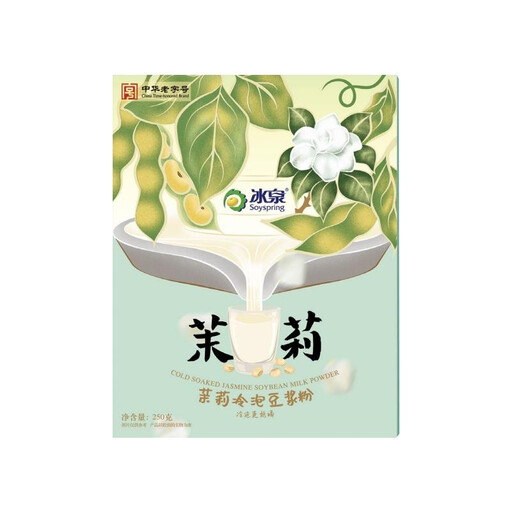
Why This Fits Their Persona: For the adventurous palate looking for something beyond the standard. This is perfect for creating a refreshing, café-style iced drink at home with a unique floral twist.
It sidesteps the powder vs. liquid debate by offering a unique benefit: a cold-brew formula. It dissolves easily in room temperature water, removing the need for a kettle or blender.
An innovative formula that requires no hot water. The infusion of jasmine tea powder creates a sophisticated and refreshing flavour profile.
We have compiled a complete, real-time list of products that fully satisfy these strict selection criteria and UK safety regulations.
Yes, there is often a noticeable difference. Many traditional Asian brands craft their soy milk to be a delicious beverage in its own right, with a characteristic rich, beany and often sweeter taste. Soya milk commonly found in the dairy aisle of UK supermarkets is frequently formulated to be a more neutral-tasting milk substitute for use in cereal, tea and coffee.
For hot soy milk, start by making a paste. Place the soy milk powder in a mug and add a small amount of hot (not boiling) water, stirring vigorously until a smooth paste forms. Then, slowly add the rest of the hot water while continuing to stir. This prevents clumping. For cold-brew powders, simply follow the instructions and mix with room temperature or cold water.
You can, but the results may vary. Unsweetened soy milk is generally the most versatile for adding to hot drinks. However, the higher protein content in some soy milks can sometimes curdle when added to very hot or acidic coffee. To minimise this, try warming the soy milk slightly before adding it, or pour the soy milk into the cup first and then slowly add the coffee.