
24/7 Customer Support

Free returns

Same-day & Next-day Delivery

Quality Guaranteed

Unlock Your Welcome Offers: FREE Delivery | Up to 80% OFF | Free 30-day JoyPlus trial
Download the APP
Soy milk powder can be a convenient option for breakfast, office drinks, post-workout refreshments or a traditional Chinese soy beverage at home. However, packs with similar-looking designs can differ considerably in soy content, sugar, protein, portion size and preparation method.
The useful question is not simply “Which soy milk powder should I buy?” It is: Which formula matches my taste, dietary preferences, budget and daily routine?
A product may contain no added sucrose but still include maltose syrup, maltodextrin or naturally occurring sugars. Check the ingredients list and the nutrition panel rather than relying only on front-of-pack wording.
For example, an unsweetened soy milk powder may still list 4.5g of sugars per 100g, while a flavoured or sweetened drink can contain considerably more. Flavour powders, strawberry pieces, coffee or matcha may also be accompanied by sugar or syrup.
Some products are designed to dissolve in hot water, while others require a specific temperature, vigorous stirring or a shaker. Cold-brew products have different preparation instructions from traditional soya milk powder.
Look for clear guidance on:
A 720g bag may offer better value for regular users, but individual sachets are easier to measure and more suitable for work, university or travel. Conversely, sachets can create more packaging waste and may cost more per serving.
Calculate the approximate serving cost by dividing the pack price by the number of sachets or stated servings, not just comparing the total weight.
For a traditional plant-based protein drink, compare the percentage of soybeans or soy powder in the ingredients list. A higher percentage does not automatically determine taste, but it gives useful context when comparing products.
Protein values in this selection range from 12g to 42g per 100g. Pure soy and black soybean powders generally provide a more concentrated soy ingredient profile, while flavoured mixes may contain more cereals, sweeteners or flavouring ingredients.
If you are looking for a high-protein breakfast drink, compare protein per prepared serving, not only per 100g. A 20g sachet containing 42g protein per 100g provides approximately 8.4g protein before adding any other ingredients.
Check whether the formula contains:
An unsweetened soy milk powder can suit shoppers who prefer to control sweetness, but the flavour may be more bean-forward. A flavoured soy milk powder may be easier to enjoy without additional ingredients, although its carbohydrate and sugar values may be higher.
Those avoiding animal products should also check the full ingredient list for dairy-derived flavourings. Soy allergens must be clearly considered, and products containing barley or oats may also contain cereals containing gluten.
Individual sachets are practical for commuting and portion control. Larger pouches are more suitable for households or people drinking soy milk powder regularly.
Preparation varies across the range. Pure powders commonly use around 150–200ml of warm or hot water, while cold-brew products can use cold or room-temperature water. Always follow the product packaging, allow hot liquid to cool suitably before drinking and consume prepared drinks promptly.
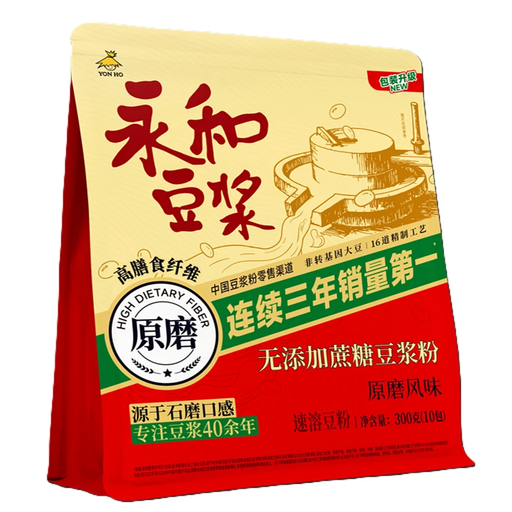
Why This Fits Their Persona: A straightforward entry point for shoppers wanting a classic Chinese soy milk flavour in a medium-sized pack for breakfast or occasional drinks.
The ingredients and nutrition panel make its sweetened formula clear, helping buyers avoid mistaking a traditional sweet taste for an unsweetened product.
300g pack; 25g protein per 100g; mixes with approximately 200–250ml of hot water.
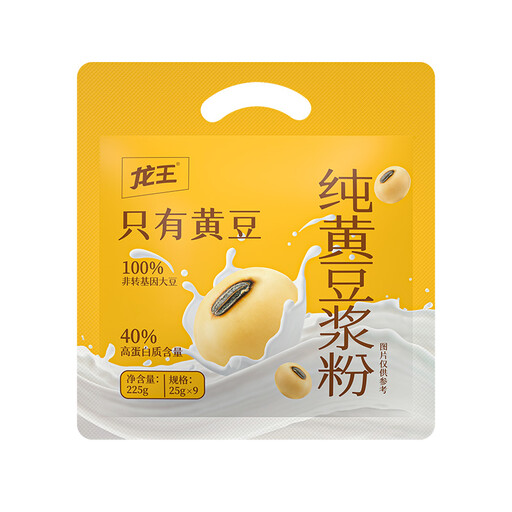
Why This Fits Their Persona: Suitable for shoppers prioritising a short ingredient list and a portioned format rather than added flavour combinations.
The stated ingredient is soybeans, with no flavouring blend to obscure the product’s core composition.
100% non-GMO soybeans; 40g protein per 100g; nine 25g sachets.
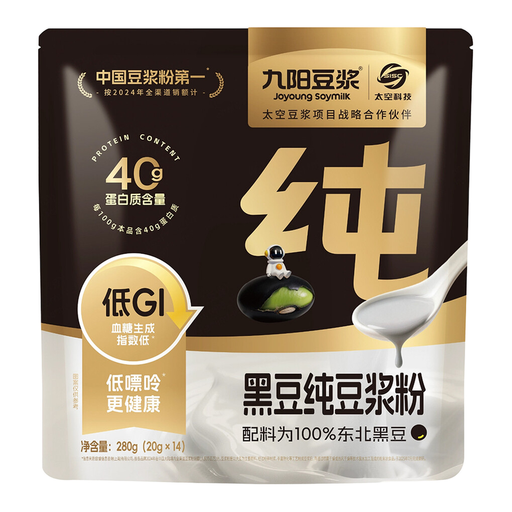
Why This Fits Their Persona: A practical choice for regular drinkers who want individual sachets, a pure black soybean formula and a larger 14-serving supply.
Its ingredient declaration states black soybean only, while the nutrition panel allows direct comparison of protein and sugars.
100% black soybeans; 40g protein per 100g; no added sugar, flavours or preservatives listed.
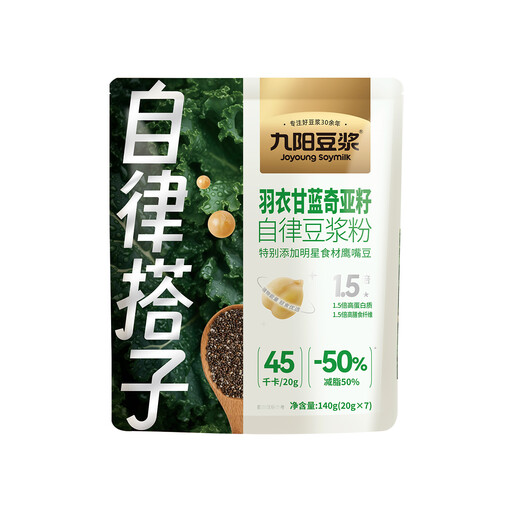
Why This Fits Their Persona: Designed for people who prefer a more varied plant-based drink with kale and chia seed alongside instant soy powder.
The product states its 40% instant soy powder content and identifies erythritol as the sweetener, so the blend is easier to assess.
Seven 20g sachets; includes kale powder and chia seeds; provides 18g protein per 100g.
We have compiled a complete, real-time list of products that fully satisfy these strict selection criteria and UK safety regulations.
Add the recommended powder to the cup first, then pour in a small amount of water and stir into a paste. Add the remaining water gradually while whisking. Follow the stated temperature, as some instant soy milk powders dissolve more effectively in hot water than cold water.
Unopened powder is generally stored in a cool, dry place away from direct sunlight. After opening, reseal the pouch or transfer it to an airtight container if the packaging advises this. Prepared soy milk should be consumed promptly rather than stored at room temperature.
It depends on the purchase price, serving size and how much water is used. Powder can reduce the need to store bulky cartons and allows you to prepare a single serving, but individual sachets may cost more per drink. Compare the price per stated serving and account for any delivery charges before deciding.