
24/7 Customer Support

Free returns

Same-day & Next-day Delivery

Quality Guaranteed

Unlock Your Welcome Offers: FREE Delivery | Up to 80% OFF | Free 30-day JoyPlus trial
Download the APP
For UK shoppers, soy milk powder can be a practical alternative to chilled cartons. It is easy to store, simple to portion and useful at home, work, university or the gym. However, attractive packaging can make products look more alike than they really are.
Before buying, watch for three common pitfalls:
The percentage of soybeans or instant soy powder gives a useful indication of the product’s composition, but it should not be viewed in isolation. For example, the listed soy content ranges from 48% in Soyspring Soybean Drink Powder to 100% in several pure soy and black soybean products.
A pure soy milk powder made with 100% soybeans may suit shoppers who want a short ingredient list. Blended products can offer different flavours or textures, but may include sweeteners, grains, seeds or flavourings.
If you follow a vegan diet, check the entire label rather than relying only on “plant-based” wording. Also look for bold allergen information: soy is a regulated allergen in the UK and some blends may contain wheat, sesame or other ingredients.
Original and flavoured soya milk powder products can vary considerably in sweetness. YON HO Sugar-Free Soy Milk Powder is described as containing no added sucrose, but its ingredients include maltose syrup. Its listed sugars are 4.5g per 100g, compared with 32g per 100g for YON HO Classic Original Soy Milk Powder.
Some instant soy milk powder blends use erythritol or xylitol instead of standard sugar. These products may appeal to shoppers reducing sucrose, but sweeteners can affect taste and may not suit everyone. Joyoung’s Kale Chia Seed blend, for instance, includes erythritol and carries a warning that it contains sweetener.
Compare sugars per 100g, ingredients and serving size. Do not assume a product labelled “self-discipline”, “light” or “sugar-free” automatically matches your dietary needs.
Nutrition panels in the supplied product range list protein from 12g to 42g per 100g of powder. A high-protein soy drink may be useful as part of a breakfast or snack, but the amount in your prepared cup depends on how much powder you use.
Pure products generally list higher protein values because they contain mostly soybeans. Joyoung Pure Soy Milk Powder, for example, lists 42g of protein per 100g, while the serving instructions use one 20g sachet. That equates to a smaller absolute amount per drink than the per-100g figure suggests.
For convenience, look for:
A powder that clumps, needs extra equipment or has unclear instructions may be less convenient than its packaging suggests.
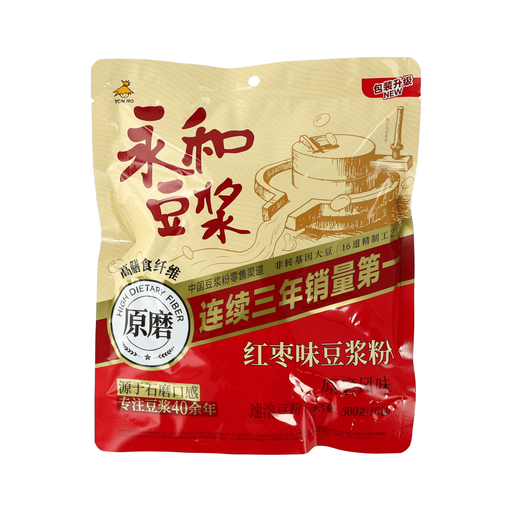
Why This Fits Their Persona: A manageable 300g pack offers an accessible way to try an instant soy drink, with a red date flavour for shoppers who prefer a sweeter-tasting breakfast beverage.
The ingredient list clearly shows soybeans at 58%, alongside maltose syrup, sugar, soybean oil and flavourings, so shoppers can account for the added ingredients.
Instant preparation; 15.4g protein per 100g; compact 300g format for occasional use.
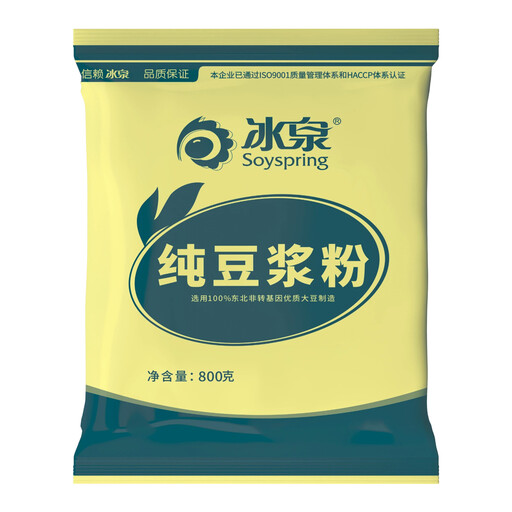
Why This Fits Their Persona: Suitable for households wanting a larger cupboard format and a simple base for drinks, smoothies, coffee or baking.
Its listed ingredient is SOYBEANS (100%), making the composition straightforward to compare with blended or sweetened options.
800g pack; listed protein of 40g per 100g; usable in both drinks and recipes.
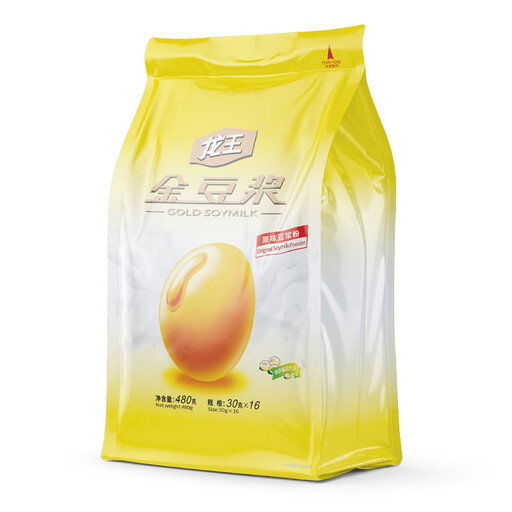
Why This Fits Their Persona: Individual sachets suit busy professionals, commuters, students and anyone who wants a repeatable breakfast or afternoon drink without measuring from a large bag.
Each sachet is marked as 30g, with preparation guidance of approximately 180ml of warm boiled water and a stated 1:6 powder-to-water ratio.
16 pre-portioned sachets; 58% soybean content; convenient storage at home, work or in luggage.
For a smooth drink, add the recommended water to a mug before gradually stirring in the powder. A whisk or shaker can help with blends containing seeds, fibre or cocoa. Follow the stated temperature, as some products specify water around 80°C while cold-brew products are designed for cold or room-temperature water.
Once opened, reseal powder tightly and keep it in a cool, dry place away from direct sunlight. Prepared drinks should generally be consumed immediately; follow the product’s packaging if refrigeration is advised. Never use powder past its stated best-before date if its smell, colour or texture has changed.
We have compiled a complete, real-time list of products that fully satisfy these strict selection criteria and UK safety regulations.
It can be suitable for people avoiding dairy, provided the ingredient list meets your requirements. Soy milk powder is not suitable for anyone with a soy allergy. Check the allergen declaration and preparation instructions before buying.
Shelf life varies by product and packaging. Larger bags should be sealed promptly and stored in a cool, dry place. Individual sachets can reduce exposure to air and moisture, but each pack should still be checked for its best-before information.
The answer depends on pack price, serving size and how much powder is used per cup. Compare the total number of servings rather than pack weight alone. A larger bag may offer more drinks, while individual sachets can reduce waste and improve portion consistency.