
24/7 Customer Support

Free returns

Same-day & Next-day Delivery

Quality Guaranteed

Unlock Your Welcome Offers: FREE Delivery | Up to 80% OFF | Free 30-day JoyPlus trial
Download the APP
Soy sauce can look like a straightforward pantry staple, but the bottles on UK shelves differ considerably in salt level, sweetness, colour, brewing method, allergens and intended use. Choosing the wrong type may leave a stir-fry too salty, a sushi dip too sweet or a braised dish lacking the deeper colour expected from dark soy sauce.
This guide from the Joybuy Product Recommendation Officer explains what to check before you buy soy sauce in the UK, with practical recommendations for everyday cooks, Asian food enthusiasts, vegans, health-conscious households and high-volume kitchens.
In Chinese cooking, light soy sauce generally refers to a thinner, lighter-coloured seasoning used for saltiness and umami. It does not automatically mean reduced-salt. Some standard light soy sauces list more than 14g of salt per 100ml, so check the nutrition panel rather than relying on the name.
A reduced-salt soy sauce is a separate formulation. Even then, it remains a concentrated condiment and should be used in moderation.
Dark soy sauce is often thicker and deeper in colour, but its main purpose is usually to add colour, sweetness and depth to braised dishes, marinades and stews. It is not always the right substitute for light soy sauce in dipping bowls or delicate soups.
For stir-fries, a light or naturally brewed soy sauce usually provides seasoning without heavily darkening vegetables. For glossy noodles, red-braised dishes or marinades, dark soy sauce may be more suitable.
Japanese soy sauce, Chinese soy sauce, Thai thin soy sauce and Indonesian sweet soy sauce have different flavour profiles. Japanese varieties are commonly used for sushi and dipping, while Chinese light soy sauce is frequently used in stir-fries, cold dishes and marinades. Sweet soy sauce, also called kecap manis, contains substantial sugar and has a thick, syrup-like texture.
Read the ingredients and suggested uses before buying several large bottles that may not suit your recipes.
A naturally brewed soy sauce may be made from water, soybeans, wheat and salt, with fermentation developing its aroma and umami. However, “naturally brewed” products vary, so inspect the ingredient list and product description.
Some sauces also contain sugar, glucose-fructose syrup, flavour enhancers, preservatives, caramel colour or mushroom extract. These are not automatically unsuitable, but they affect how the sauce tastes and how it performs in cooking.
Compare nutrition panels on a per 100ml basis where possible. A sauce with a lower salt figure may be useful for households monitoring sodium intake, but it still needs portion control. Sweet soy sauces can also contain considerably more sugar than standard soy sauce.
For example, ABC Sweet Soy Sauce lists palm sugar and approximately 60g of sugars per 100ml, making it more appropriate for glazing, marinades and Indonesian-style fried rice than for replacing ordinary soy sauce spoon for spoon.
Soy sauce is not automatically gluten-free or suitable for every diet. Traditional formulas often contain both soybeans and wheat, so people with soya allergy, wheat allergy or coeliac disease should check the packaging carefully.
A product labelled suitable for vegans may still contain wheat. Kikkoman Organic Soy Sauce is listed as suitable for vegan and vegetarian diets, but its ingredients include organic wheat. Organic shoppers should also look for the relevant European organic seal and certification number on the label.
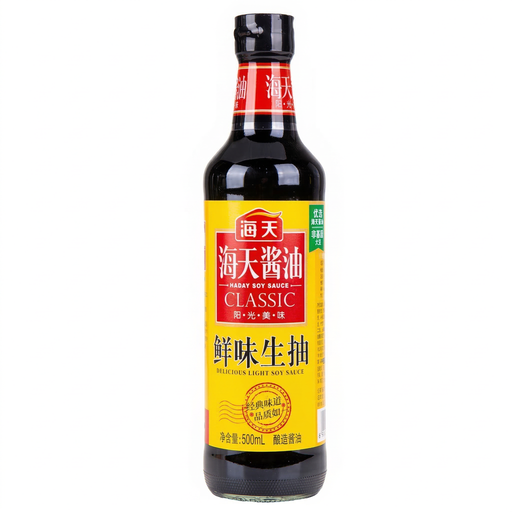
Why This Fits Their Persona: A practical size for UK households trying Chinese-style stir-fries, cold dishes, dipping sauces and marinades without committing to a catering bottle.
Its “light” description is paired with a stated salt value of 14.3g per 100ml, helping shoppers distinguish cooking style from reduced-salt claims.
500ml format; suitable for stir-frying, dipping, marinating and cold salads; contains soybeans and wheat.
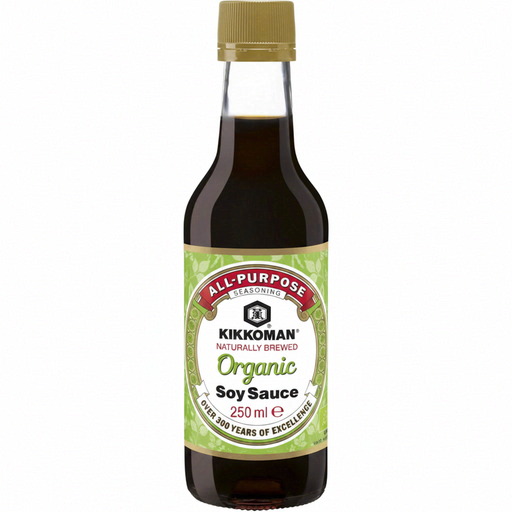
Why This Fits Their Persona: Suitable for shoppers prioritising an organic ingredient profile and a smaller bottle for dipping, dressings, marinades and everyday seasoning.
The listing identifies four core ingredients and advises checking the European organic seal and certification number, rather than relying only on front-label wording.
Organic soybeans and wheat; listed as vegan and vegetarian suitable; 250ml bottle for controlled use.
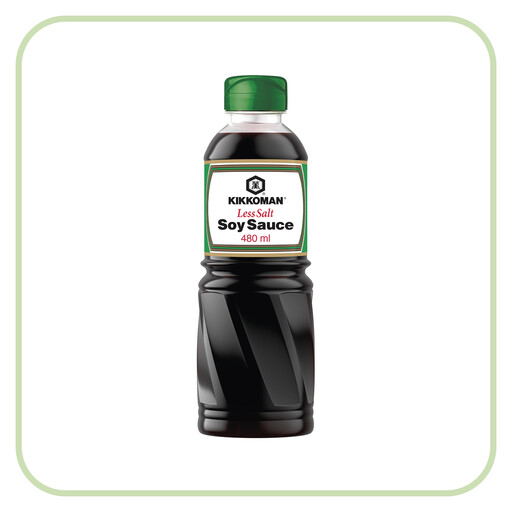
Why This Fits Their Persona: A considered option for cooks comparing sodium levels while still wanting one bottle for sushi, stir-fries, soups, marinades and dipping.
The product information states 25% less sodium than regular Kikkoman soy sauce, while the listing still warns that it is a high-salt condiment.
480ml easy-pour bottle; listed salt value of approximately 5.0g per 100ml; contains soybeans and wheat.
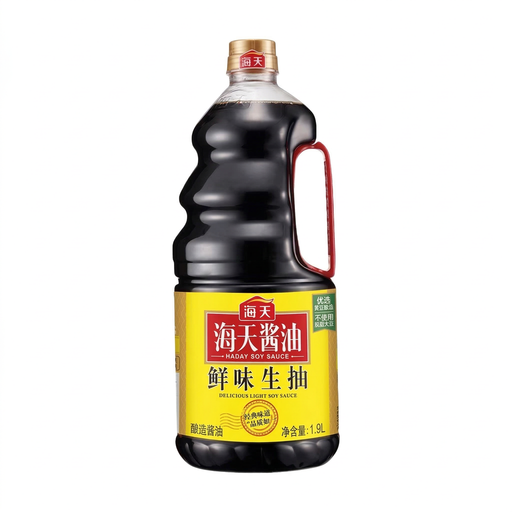
Why This Fits Their Persona: The large format suits restaurants, caterers, shared kitchens and households that use soy sauce daily for stir-fries, braising, dipping and marinades.
Its 1.9-litre size is clearly positioned for high usage, reducing the risk of paying for bulk stock that a smaller household may not finish promptly.
1.9L bottle; suitable for cooking, dipping, braising, cold dishes and marinades; listed salt value of 16.9g per 100ml.
Other useful choices include mushroom soy sauce for extra savoury character, dark mushroom soy sauce for braised dishes, ABC Kecap Manis for sweet glazes and a seasoned soy sauce designed for steamed fish. Compare the full ingredients list before ordering, particularly if you need vegan soy sauce or a gluten-free alternative.
We have compiled a complete, real-time list of products that fully satisfy these strict selection criteria and UK safety regulations.
For most stir-fries, choose light soy sauce or a standard naturally brewed soy sauce. Add it gradually near the end of cooking so the seasoning can be adjusted without making vegetables or noodles excessively dark. Use dark soy sauce when colour and a richer finish are specifically required.
Follow the storage instructions on the bottle. Several products advise refrigeration after opening to help maintain flavour and quality, while some naturally brewed sauces can be stored in a cool, dark place. Always reseal the cap and keep the bottle away from heat and direct sunlight.
Check the best-before information and storage guidance on the packaging. Quality can gradually change after opening, particularly if the bottle is exposed to heat or contamination. Discard the sauce if it develops an unusual smell, visible mould, cloudiness or a noticeably changed appearance.