
24/7 Customer Support

Free returns

Same-day & Next-day Delivery

Quality Guaranteed

Unlock Your Welcome Offers: FREE Delivery | Up to 80% OFF | Free 30-day JoyPlus trial
Download the APP
Soy sauce is a small bottle with a surprisingly wide range of flavours, ingredients and uses. The wrong choice can make a stir-fry too dark, a dipping sauce too salty or a marinade far sweeter than expected. For UK shoppers, dietary labelling, bottle size and storage also matter when comparing products online.
This guide explains the practical differences between light soy sauce, dark soy sauce, reduced salt soy sauce, gluten-free soy sauce and sweet soy sauce, with suitable options for everyday cooking, specialist recipes and higher-volume kitchens.
In Asian cooking, “light soy sauce” usually refers to a lighter colour and a salt-forward, seasoning-focused flavour. It does not automatically mean reduced sodium. For example, Amoy First Extract Light Soy Sauce lists 18g salt per 100ml, while some reduced-salt products list considerably less. Always check the nutrition panel rather than relying on the word “light”.
Dark soy sauce is generally selected for colour, body and a deeper flavour in braised dishes, stews and marinades. A small amount can significantly darken food. Using it as the only sauce in a delicate soup, dipping bowl or clear stir-fry may overpower the dish. Dark soy sauce and light soy sauce are complementary, not always interchangeable.
A soy sauce 1 litre or soy sauce 1.9 litre bottle can make sense for caterers, restaurants and households that cook frequently. However, a smaller soy sauce 250ml, 300ml or 500ml bottle may be more practical if you use it occasionally. Large containers also need suitable cupboard or fridge space and careful pouring to prevent waste.
Standard soy sauce often contains soybeans and wheat, making it unsuitable for people with wheat allergies or coeliac disease. A gluten-free label must be checked on the product packaging, alongside certification where relevant. Reduced-salt does not mean salt-free, and sweet soy sauce can contain substantial sugar.
A naturally brewed soy sauce is made through fermentation, although recipes vary considerably. Compare the ingredient list for wheat, sugar, flavour enhancers, preservatives and colourings if these are important to you. A shorter ingredient list may suit shoppers seeking a straightforward seasoning, while a formulated sauce can be designed for a specific colour, sweetness or texture.
Terms such as organic soy sauce relate to certified organic ingredients and production requirements. Look for the relevant organic seal on the pack rather than assuming that “natural” or “traditional” means organic.
Compare nutrition per 100ml, as serving sizes can differ. Several products in this category remain high in salt even when labelled reduced salt. For instance, Kikkoman Reduced Sodium Soy Sauce 480ml lists approximately 5g salt per 100ml, while Yutaka Reduced Salt Gluten Free Soy Sauce 150ml lists 11.4g salt per 100ml. These products may offer less salt than their standard alternatives, but they should still be used in moderation.
Sweet varieties require a separate check: ABC Sweet Soy Sauce lists approximately 60g sugars per 100ml. Choose 132ml or 350g bottles if you use sweet soy sauce occasionally, and larger formats for regular cooking.
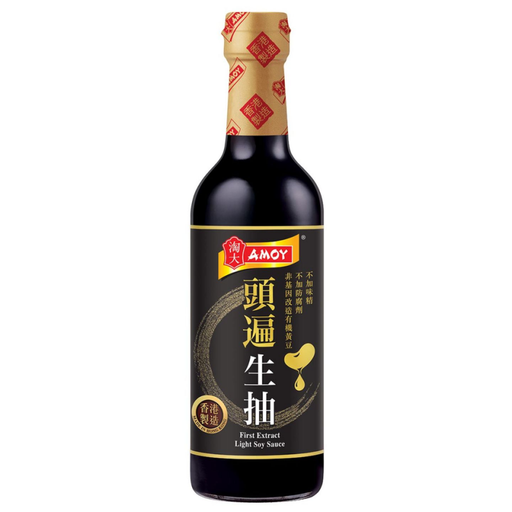
Why This Fits Their Persona: A manageable 500ml format for UK households wanting one versatile soy sauce for dipping, cold dishes, marinades and braising.
The product is clearly identified as light soy sauce, while its 18g salt per 100ml makes the need for portion control visible.
500ml bottle; ingredients include soybeans, wheat, salt and sugar; suitable for several everyday cooking methods.
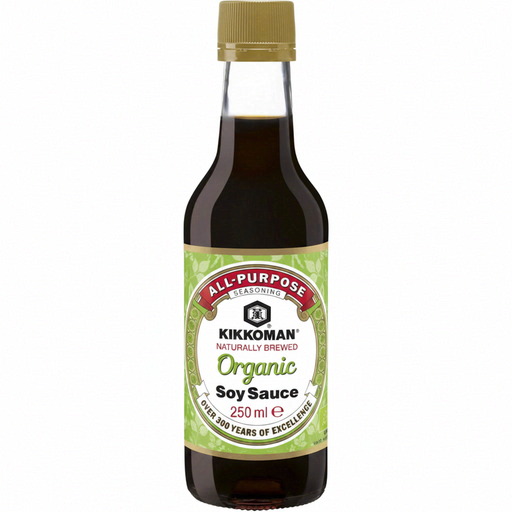
Why This Fits Their Persona: A compact choice for cooks prioritising certified organic ingredients and a naturally brewed profile for sushi, noodles, vegetables and dipping sauces.
The 250ml size reduces the risk of storing an oversized bottle, while the listing identifies organic soybeans and organic wheat.
Suitable for vegan and vegetarian diets; four listed core ingredients; contains wheat and is not gluten-free.
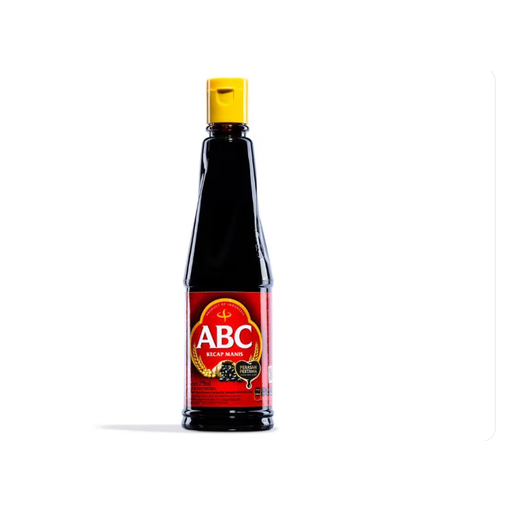
Why This Fits Their Persona: Suitable for cooks preparing Indonesian-style fried rice, satay, glazes and sweet dipping sauces rather than looking for a standard salty seasoning.
The small 132ml bottle suits occasional use, and the approximately 60g sugar per 100ml clearly distinguishes it from light soy sauce.
Thick texture; contains palm sugar and spices; suitable for marinades, glazes, stir-fries and dipping.
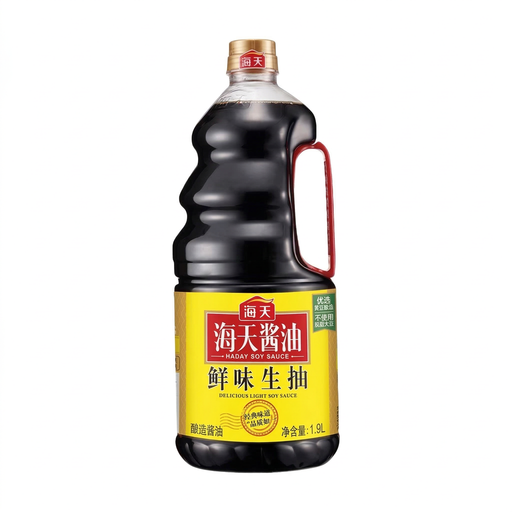
Why This Fits Their Persona: The large format is suited to restaurants, caterers and households that use soy sauce daily across stir-fries, braises, marinades and dipping dishes.
Its 1.9 litre capacity is appropriate only where consumption is high, helping buyers compare volume against genuine kitchen demand.
Large 1.9L bottle; listed for cold dishes, stir-frying, braising, dipping and marinating; contains soy and wheat.
We have compiled a complete, real-time list of products that fully satisfy these strict selection criteria and UK safety regulations.
Store unopened soy sauce in a cool, dry cupboard away from direct sunlight. Refrigeration after opening is recommended for many products, particularly sweet or mushroom varieties, although the label may specify otherwise. Keep the cap clean and tightly closed.
Add light soy sauce gradually during cooking, tasting before adding extra salt. Use dark soy sauce sparingly for colour. Sweet soy sauce works more like a glaze or finishing sauce, so it should not normally replace light soy sauce in equal quantities.
Not usually. Traditional soy sauce commonly contains wheat, while tamari gluten-free soy sauce is made without wheat. Check the ingredients and certification on the specific bottle. Products such as Kikkoman Tamari Gluten-Free Soy Sauce 1L and Sempio Korean Gluten-Free Soy Sauce 250ml list soybeans without wheat, but consumers with allergies should still read the packaging.
Follow the manufacturer’s storage instructions and best-before guidance. Keeping the bottle tightly sealed and refrigerated where recommended helps maintain flavour. Discard the sauce if it develops an unusual smell, visible mould or an unexpected appearance.
A Japanese soy sauce, naturally brewed soy sauce or light soy sauce is generally more suitable than a thick dark soy sauce. For lower-salt requirements, compare reduced-salt options such as Kikkoman Reduced Sodium Soy Sauce 480ml or Yutaka Reduced Salt Gluten Free Soy Sauce 150ml, remembering that both still contain salt.