
24/7 Customer Support

Free returns

Same-day & Next-day Delivery

Quality Guaranteed

Unlock Your Welcome Offers: FREE Delivery | Up to 80% OFF | Free 30-day JoyPlus trial
Download the APP
Soy sauce is a small-bottle purchase that can have a noticeable effect on everyday meals. The right variety can season a stir-fry, add colour to a braise or complement sushi; the wrong one may be too sweet, too salty, too dark or unsuitable for someone avoiding gluten.
UK shoppers also face a crowded choice of light soy sauce, dark soy sauce, tamari, reduced salt and regional varieties. Packaging can highlight terms such as “premium”, “natural” or “traditional”, but these descriptions do not always tell you how the sauce will perform in your kitchen. Before buying, check the ingredients, salt level, bottle size and intended use.
Light soy sauce is generally used for seasoning, dipping and marinades while keeping the original colour of food relatively clear. Dark soy sauce is usually thicker and darker, and is more often used to add colour and depth to braised dishes, stews and marinades.
These terms can vary between Chinese, Japanese, Thai and other food traditions. A dark sauce is not necessarily a stronger all-purpose seasoning, and a light sauce is not automatically low in salt. Read the product description and nutrition panel rather than relying on colour alone.
Reduced salt soy sauce contains less salt than a comparable standard version, but it can still be a high-salt condiment. For example, Kikkoman Reduced Sodium Soy Sauce lists approximately 5.0g of salt per 100ml, while Yutaka Reduced Salt Gluten Free Soy Sauce lists 11.4g per 100ml. These products are not directly equivalent, so compare the figures on the bottle.
Use a smaller quantity first, particularly when cooking with stock, miso, salted meats or ready-made sauces.
Many traditional soy sauces contain soybeans and wheat, making them unsuitable for people with soya or gluten allergies. Tamari soy sauce may be gluten-free, but this must be confirmed on the packaging or certification details.
Sweet soy sauce, including Indonesian kecap manis, is a different product category. It contains a substantial amount of sugar and is designed for glazing, dipping and sweet-savoury recipes rather than replacing ordinary seasoning one-for-one.
Naturally brewed soy sauce is made by fermenting soybeans, typically with wheat, water and salt. Some bottles also contain sugar, alcohol, flavour enhancers, preservatives, colourings or thickeners. None of these details alone determines whether a sauce suits you, but the ingredient list indicates the flavour style and dietary compatibility.
For a simpler recipe, Kikkoman Tamari Gluten-Free Soy Sauce lists water, soybeans, salt and spirit vinegar. It contains soy but is described as gluten-free, vegan and vegetarian. By contrast, Amoy First Extract Light Soy Sauce contains defatted soybeans, wheat, salt and sugar.
Nutrition panels in the UK usually present values per 100ml, allowing you to compare bottles of different sizes. Check both salt and sugars, especially if the sauce will be used frequently or poured directly as a dipping sauce.
Reduced salt soy sauce can be useful where you want to adjust seasoning more precisely. However, reduced salt does not mean unlimited use. Sweet soy sauce can contain around 60g of sugars per 100ml, as listed for ABC Sweet Soy Sauce, so it should be treated as a sweet condiment.
A 150–300ml bottle can be practical for occasional sushi, sashimi or recipe use, while 500ml–1L bottles suit regular home cooking. Catering buyers and busy households may find a bulk soy sauce format more economical, but check that the sauce will be used before its flavour declines after opening.
Follow the label’s storage instructions. Several products recommend refrigeration after opening, while others can be kept in a cool, dry place. Always keep the cap clean and tightly closed, and check the best-before information on the packaging.
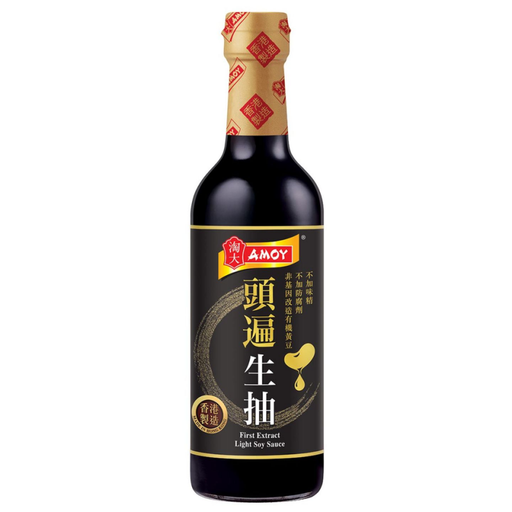
Why This Fits Their Persona: A practical 500ml size for UK households wanting one versatile bottle for daily cooking, dipping, cold dishes and marinades.
Its light style avoids the common mistake of using a thick dark sauce when you want seasoning without heavy colour.
500ml bottle; suitable for dipping, cold dishes, marinating and braising. Contains wheat and soybeans.
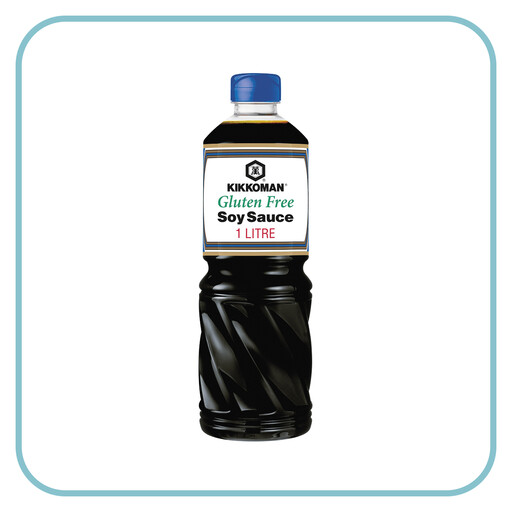
Why This Fits Their Persona: A larger bottle for cooks seeking a gluten-free option for stir-fries, soups, salads, marinades and dipping.
The listed ingredients contain no wheat, helping shoppers avoid accidentally buying a standard wheat-based soy sauce.
1L format; 10g protein and 16.4g salt per 100ml as listed. Contains soy and is described as gluten-free, vegan and vegetarian.
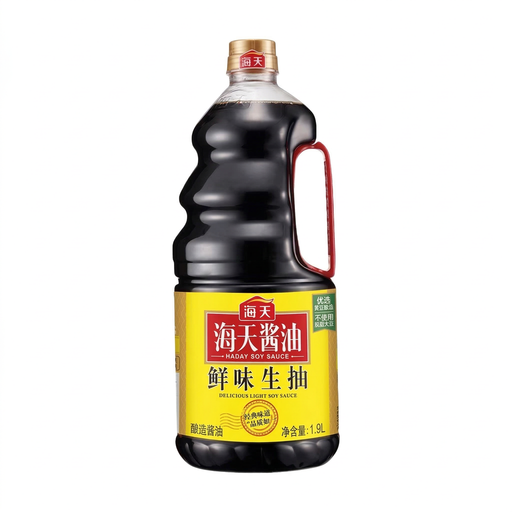
Why This Fits Their Persona: The 1.9L bottle is suited to catering buyers, professional kitchens and households that use soy sauce daily for stir-fries, braising, dipping and marinades.
Checking volume first helps prevent paying repeatedly for small bottles when usage is high, while the clear light style is suitable for multiple recipes.
1.9L quantity; listed for cold dishes, stir-frying, braising, dipping and marinating. Contains soybeans and wheat.
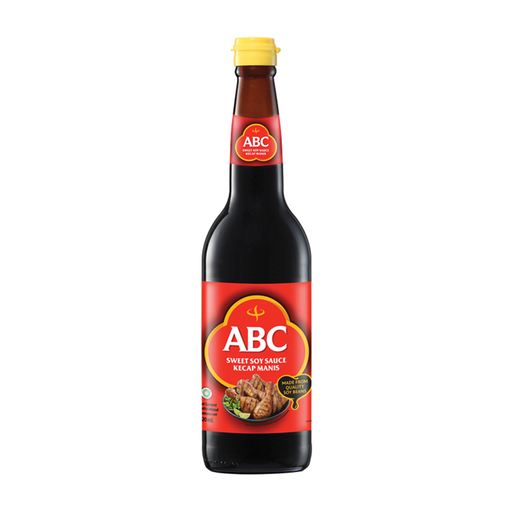
Why This Fits Their Persona: A useful choice for Indonesian dishes, satay marinades, nasi goreng, glazes and dipping sauces where sweetness and thickness are required.
Its clearly identified kecap manis style reduces the risk of expecting an unsweetened light soy sauce from a thick, dark bottle.
620ml bottle; listed at approximately 60g sugars and 5.4g salt per 100ml. Contains wheat, soy and sulphites.
We have compiled a complete, real-time list of products that fully satisfy these strict selection criteria and UK safety regulations.
Follow the storage instructions on the specific bottle. Refrigeration is commonly recommended after opening to help preserve flavour, particularly for reduced salt or speciality sauces. Keep the cap tightly closed and use the sauce within the manufacturer’s recommended period.
Unopened soy sauce usually carries a best-before date printed on the bottle. Once opened, quality can gradually change depending on storage, formulation and handling. Discard it if you notice an unusual smell, mould, unexpected cloudiness or a damaged seal.
Standard Japanese, Chinese and Thai soy sauces often contain wheat. Tamari soy sauce can be gluten-free, but not every tamari product is automatically suitable. Check for a recognised gluten-free statement or certification and review the full allergen information before purchase.