
24/7 Customer Support

Free returns

Same-day & Next-day Delivery

Quality Guaranteed

Unlock Your Welcome Offers: FREE Delivery | Up to 80% OFF | Free 30-day JoyPlus trial
Download the APP
Navigating the soy sauce aisle can be more complicated than it seems. With bottles labelled light, dark, premium and sweet, it is easy to grab the wrong one and find your stir-fry is too dark, your dipping sauce too weak or your meal far saltier than intended. Many home cooks in the UK find themselves with a collection of half-used bottles, unsure of which to use for what.
This guide is designed to help you cut through the confusion. We will highlight the common pitfalls that lead to wasted money and disappointing meals and break down the essential factors to consider. This will ensure you choose the right soy sauce for your culinary needs, whether you are perfecting a classic Chinese recipe or simply seasoning your weekday dinner.
Before adding a bottle to your basket, consider these three key factors.
The most critical distinction is between the main types of soy sauce, as each serves a different purpose.
The production method and country of origin can give you clues about the flavour profile.
We have filtered through the options to match different cooking styles and needs. Here are some recommendations based on what you might be looking for.
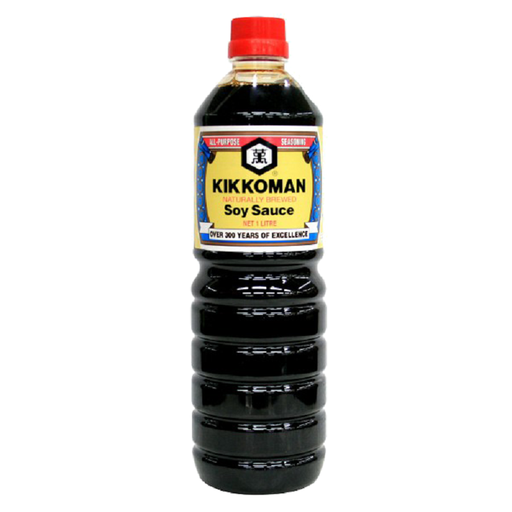
Why This Fits Their Persona: This Japanese-style soy sauce is a true kitchen workhorse. Its balanced flavour is suitable for almost any application, from a dipping sauce for gyoza to a base for marinades and stir-fries. The 1-litre bottle offers great value for frequent home cooks.
It avoids the "one-size-fits-all" pitfall by being a genuinely versatile all-purpose sauce. It is naturally brewed from just four ingredients, steering clear of unnecessary additives.
Naturally brewed for a complex umami flavour. Versatile enough for Japanese, Chinese and even Western dishes.
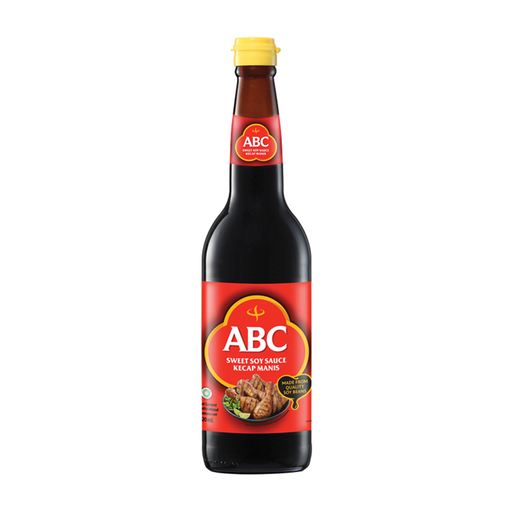
Why This Fits Their Persona: For anyone serious about cooking authentic Indonesian food, kecap manis is non-negotiable. This sauce provides the signature sweet, syrupy and savoury flavour essential for Nasi Goreng, satay marinades and glazes.
This prevents you from trying to replicate a specific condiment by just adding sugar to regular soy sauce, which fails to create the correct thick consistency and deep, caramelised flavour.
Authentic Indonesian flavour profile with palm sugar. Its thick, viscous texture is perfect for creating glazes.
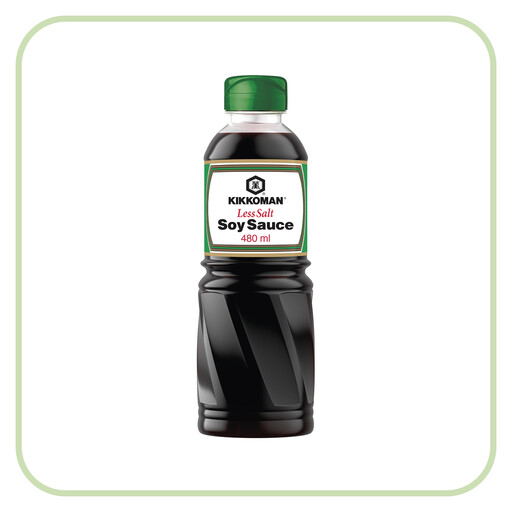
Why This Fits Their Persona: This is an ideal choice for those actively monitoring their sodium intake without wanting to sacrifice the authentic taste of a quality soy sauce. It provides the same umami depth as the classic version, but with less salt.
It directly addresses the pitfall of overlooking high sodium content. This product proves that you can choose a lower-salt option without compromising on the traditional brewing process or flavour.
Contains 25% less sodium than the brand's regular soy sauce. It is still naturally brewed, preserving the authentic umami flavour.
We have compiled a complete, real-time list of products that fully satisfy these strict selection criteria and UK safety regulations.
The primary difference lies in their function. Light soy sauce is saltier and thinner, used to add savoury flavour (umami) without adding much colour. Dark soy sauce is aged longer, is thicker and often has caramel or molasses added. It is less salty and used mainly to add a deep, rich colour and slight sweetness to dishes, particularly braises and stews.
Soy sauce has a very long shelf life due to its high salt content. An unopened bottle can last for years. Once opened, it will not spoil in a way that makes it unsafe, but its flavour will degrade over time. For the best taste, it is recommended to store it in a cool, dark place (the refrigerator is a good option) and use it within 3-6 months.
It depends on the recipe. A general-purpose Japanese soy sauce can often be used in place of a Chinese light soy sauce for seasoning, as both are designed to add savoury flavour. However, you cannot substitute a light or Japanese soy sauce for a Chinese dark soy sauce when a recipe calls for it to add colour, as the results will be completely different. Always consider the role the soy sauce plays in the dish.