
24/7 Customer Support

Free returns

Same-day & Next-day Delivery

Quality Guaranteed

Unlock Your Welcome Offers: FREE Delivery | Up to 80% OFF | Free 30-day JoyPlus trial
Download the APP
Choosing soy sauce is not simply a matter of picking the largest bottle or the label with the most traditional-looking design. UK shoppers are often comparing light soy sauce, reduced-salt soy sauce, Japanese soy sauce, Chinese soy sauce and specialist options such as tamari soy sauce without knowing how their ingredients and intended uses differ.
The wrong choice can lead to food that is too salty, overly sweet, unexpectedly dark or unsuitable for a dietary requirement. This guide explains the practical checks to make before buying, followed by recommendations matched to different cooking habits.
In many Asian recipes, light soy sauce refers to colour and flavour intensity rather than a lower sodium content. It is generally thinner and lighter in colour than dark soy sauce, but it may still contain considerable salt.
For example, the nutrition information varies significantly between products. HADAY Rich & Aromatic Low-Sodium Light Soy Sauce lists 532mg sodium per 10ml serving, while some standard sauces list around 16g of salt per 100ml. Always compare the nutrition panel rather than assuming that “light” means suitable for a low-salt diet.
Naturally brewed soy sauce commonly uses soybeans, wheat, water and salt. Traditional Japanese soy sauce and many Chinese soy sauces therefore contain wheat and are unsuitable for people avoiding gluten or managing coeliac disease.
If you need a gluten-free soy sauce, look for a clearly stated gluten-free certification and check the allergen declaration. Tamari-style sauces are often made without wheat, but the label remains the deciding factor.
A soy sauce 1L or 1.9L bottle can make sense for a catering business, busy family or frequent stir-fry cooking. However, a large container may lose freshness before it is used, particularly if it is stored beside a cooker or left open.
For occasional sushi, dipping or table use, a 150ml, 250ml or 500ml bottle may provide better control and less waste. Check the recommended storage instructions after opening, as some products advise refrigeration.
Compare salt or sodium per 100ml, then consider how much you actually use. A reduced-salt sauce may help you control the overall salt content of a dish, but it is not salt-free. Kikkoman Reduced Sodium Soy Sauce is described as containing 25% less sodium than the brand’s regular version, while Kikkoman’s 1L reduced-salt product is listed with 43% less salt than its regular sauce. These are product-specific comparisons, so check the pack for the applicable reference.
Reduced-salt options work well in marinades, stir-fries and dipping sauces when you want to adjust seasoning gradually. You may still need to add salt separately in some recipes, but tasting as you cook is more reliable than following a fixed substitution ratio.
For a classic naturally brewed soy sauce, look for a relatively short ingredient list, often including water, soybeans, wheat and salt. Other products may contain sugar, flavour enhancers, preservatives, caramel colour or yeast extract.
These ingredients are not automatically unsuitable, but they affect flavour and use. A sweeter sushi and sashimi soy sauce is designed for dipping, while a mushroom soy sauce may add extra savouriness or colour. If you have a soy, wheat or gluten allergy, read the bold allergen declaration every time, even when the product name appears suitable.
A dispenser or flip-top cap can also be useful for controlled drizzling, particularly when seasoning steamed fish, tofu or rice at the table.
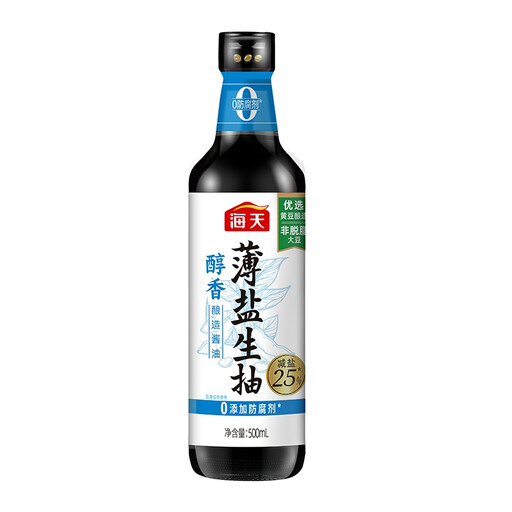
Why This Fits Their Persona: A manageable 500ml size suits first-time buyers who want one versatile Asian cooking sauce for stir-fries, marinades, cold dishes and dipping.
Its product information clearly identifies a reduced-salt formula and provides a serving-level sodium figure, rather than relying on the word “light” alone. It contains soybeans and wheat, so it is not gluten-free.
500ml bottle; intended for marinating, stir-frying, dipping and cold dishes; reduced-salt specification is stated.
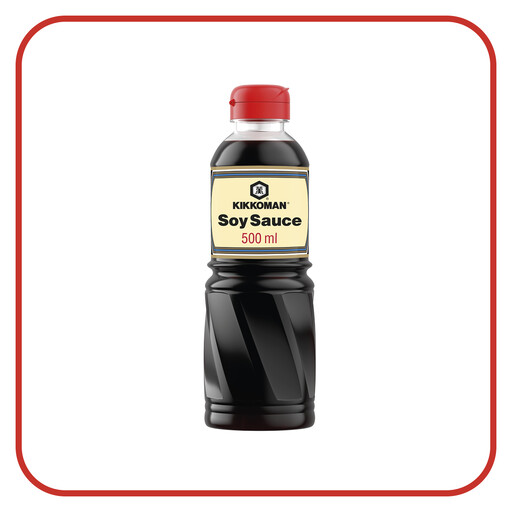
Why This Fits Their Persona: Suitable for cooks seeking a naturally brewed Japanese-style sauce with a broad range of uses, from noodles and soups to sushi and marinades.
The listed ingredients are water, soybeans, wheat and salt, making the product style clear. It is not a reduced-salt or gluten-free sauce, so buyers can make an informed choice.
Four listed ingredients; suitable for cooking, dipping and marinades; 500ml format for regular household use.
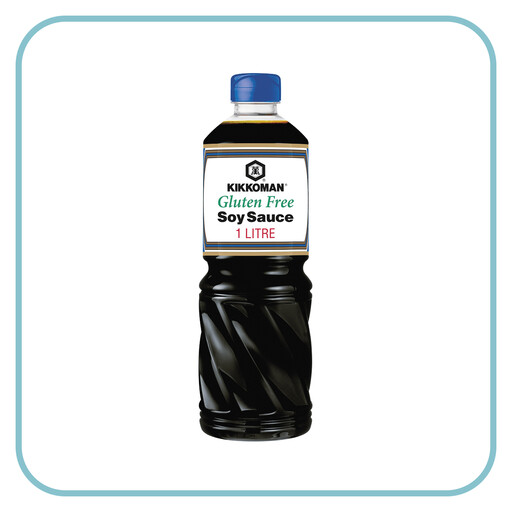
Why This Fits Their Persona: A larger format for vegan, vegetarian and gluten-free households that use soy sauce regularly across Asian and everyday dishes.
The product information states that it is certified gluten-free and made without wheat. It still contains soy and is listed as high in salt, so those points require attention.
Water, soybeans, salt and spirit vinegar listed; 1L bottle; stated as vegan, vegetarian and gluten-free.
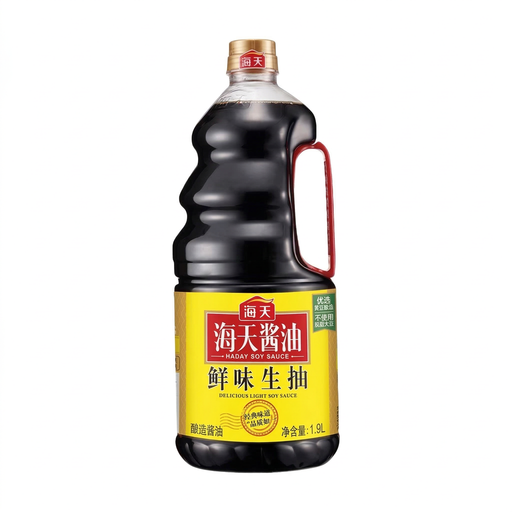
Why This Fits Their Persona: Designed for professional kitchens, catering businesses and households preparing large volumes of stir-fries, braised dishes, marinades and steamed fish.
The 1.9L size is chosen for genuinely high usage rather than occasional dipping. Its label identifies soy and wheat allergens and lists 16.9g salt per 100ml, helping kitchens plan portions.
1.9L catering-sized bottle; suitable for cold dishes, stir-frying, braising, dipping and marinating.
We have compiled a complete, real-time list of products that fully satisfy these strict selection criteria and UK safety regulations.
No. Light soy sauce usually describes a lighter colour and thinner consistency. Reduced-salt soy sauce specifically refers to a lower salt or sodium level compared with a stated standard product. Check the nutrition table and serving size before buying.
Shelf life depends on the formulation, packaging and storage. Follow the best-before information and the manufacturer’s instructions. Keep the cap closed, store away from heat and refrigerate after opening where advised. Discard the sauce if it develops an unusual smell, visible mould or an unexpected appearance.
Choose a product that clearly states gluten-free and verify the ingredients and allergen information. Kikkoman Tamari Gluten-Free Soy Sauce is listed as wheat-free and certified gluten-free. Standard Japanese soy sauce, Chinese soy sauce and many naturally brewed varieties contain wheat, so they are not suitable substitutes unless the packaging confirms otherwise.